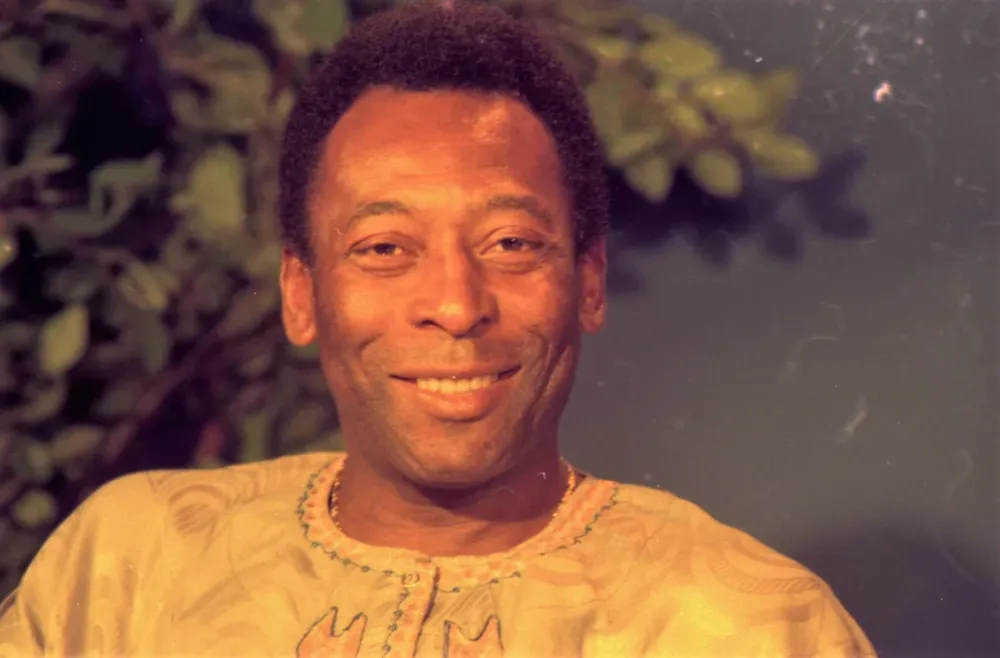
Pelé is one of the central figures in Brazilian football history. He was part of Brazil's World Cup-winning squads in 1958, 1962 and 1970. Those tournaments involved different teammates, circumstances and personal responsibilities, making them useful historical anchors rather than interchangeable entries on a trophy list.
More than a goalscorer
His football combined finishing with control, coordination and combination play. A forward must adjust to the height and speed of a pass while judging whether supporting players can join the attack. When defenders crowd the goal, a layoff or switch of play may be more productive than immediately attempting a shot.
Three different championship stories
The young player of 1958 and the experienced figure of 1970 did not have identical roles. Injury affected his involvement in 1962, when Brazil still completed a successful campaign through the strength of the wider team. Keeping that distinction makes the history more accurate and preserves the contributions of other players.
Comparing players across eras
Pitches, equipment, schedules and defensive approaches change over time. Raw totals cannot capture all those differences. A more informative question is what Pelé could do within the conditions of his own period, and how those performances influenced later ideas about Brazilian attacking football. Historical context strengthens admiration rather than diminishing it.