 Athletics
Beyond the Stopwatch: The Four Phases of a 100-Metre Sprint
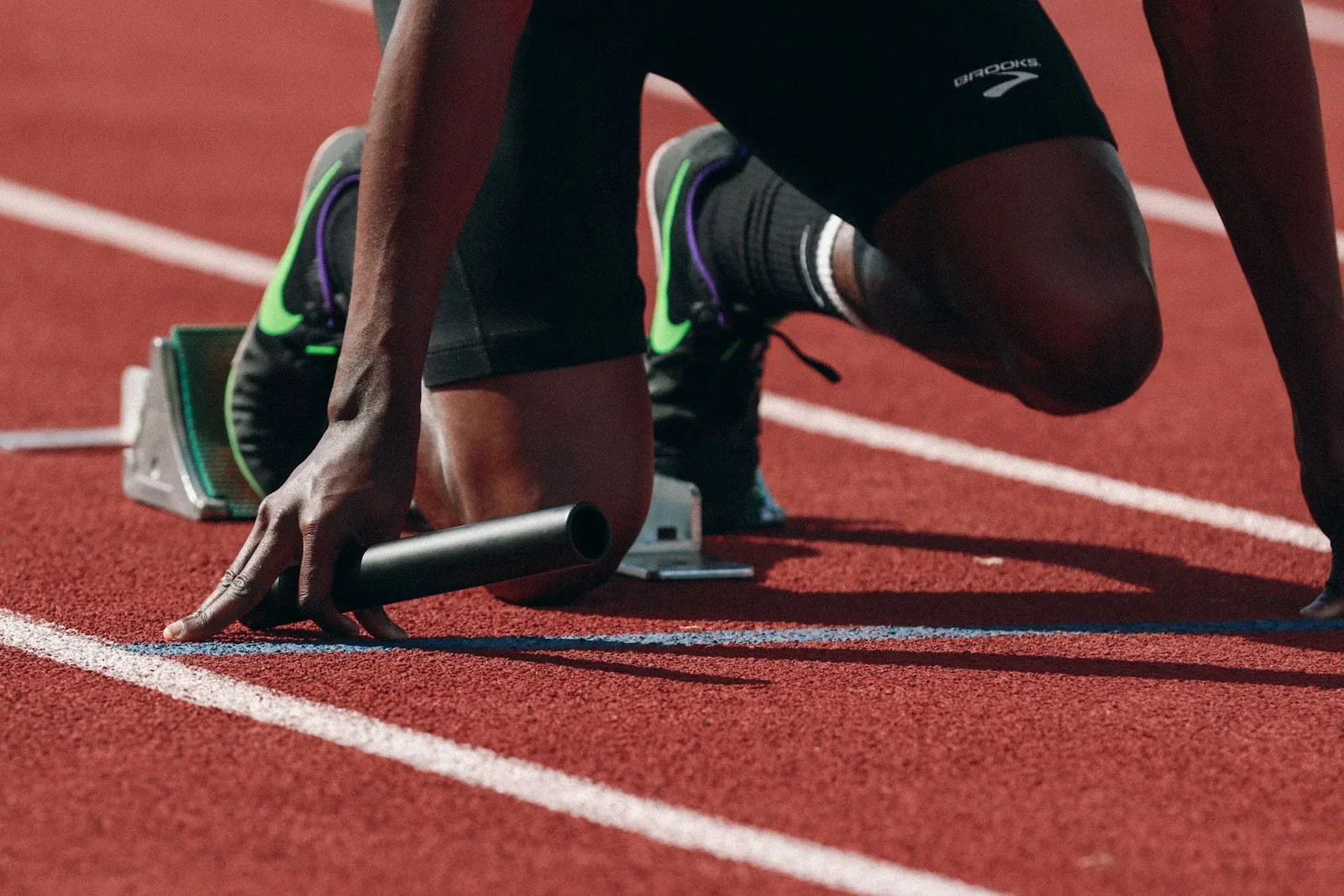
The start is only the beginning. Acceleration, upright running and the finish tell a richer story about how a sprinter builds and holds speed.
AthleticsThe start is only the beginning. Acceleration, upright running and the finish tell a richer story about how a sprinter builds and holds speed.
 Athletics
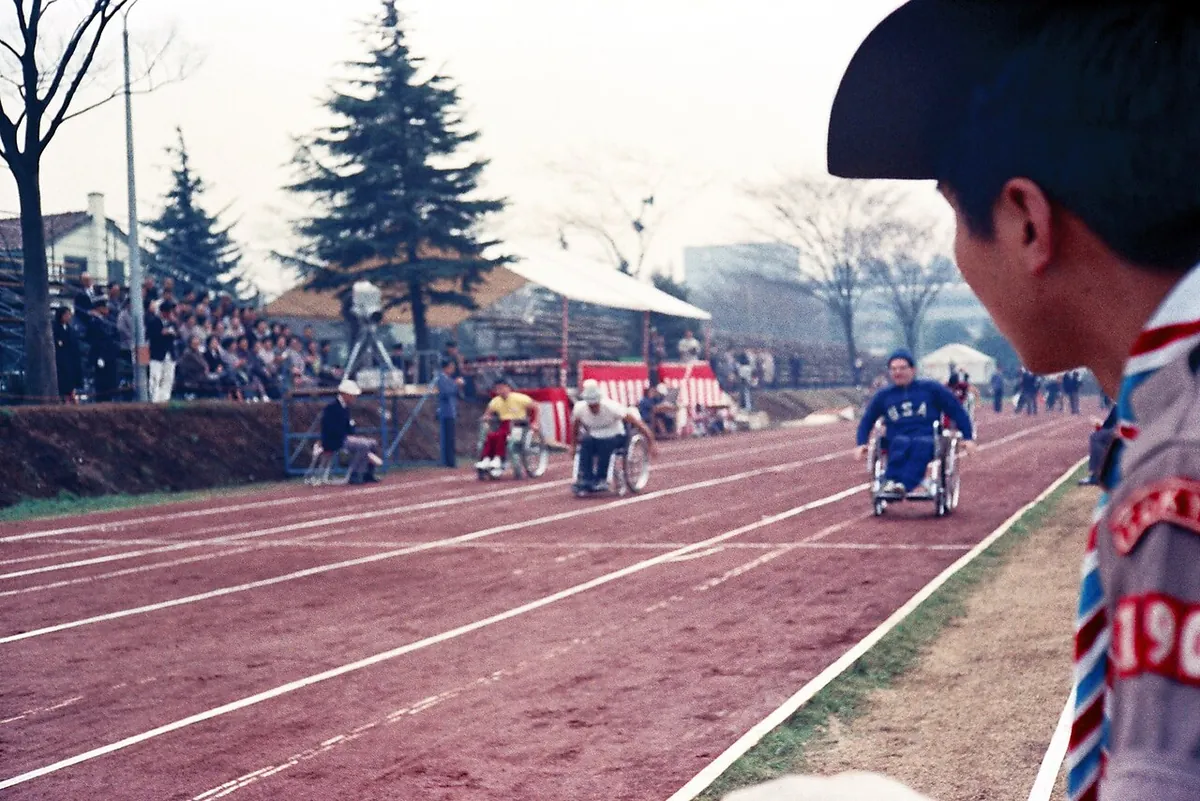
Follow acceleration, maximum speed and the final metres to understand why the fastest starter does not always win.
 Athletics
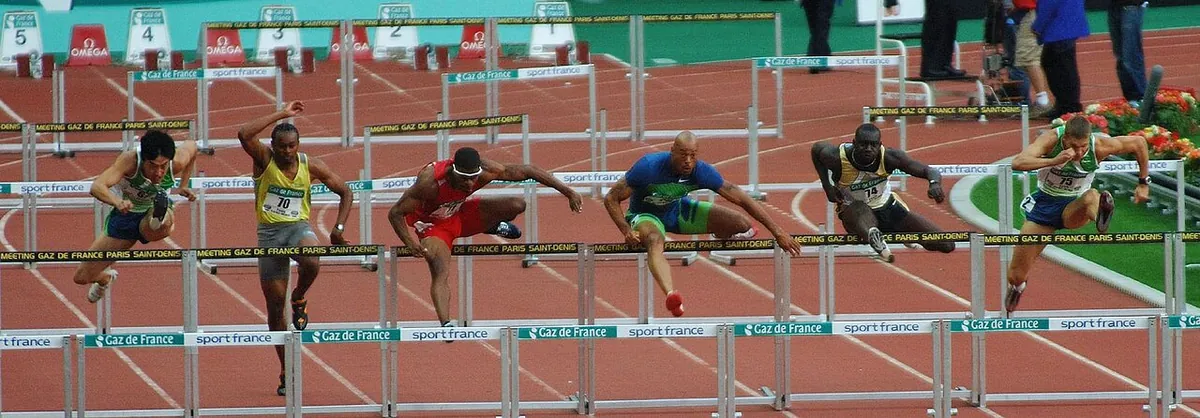
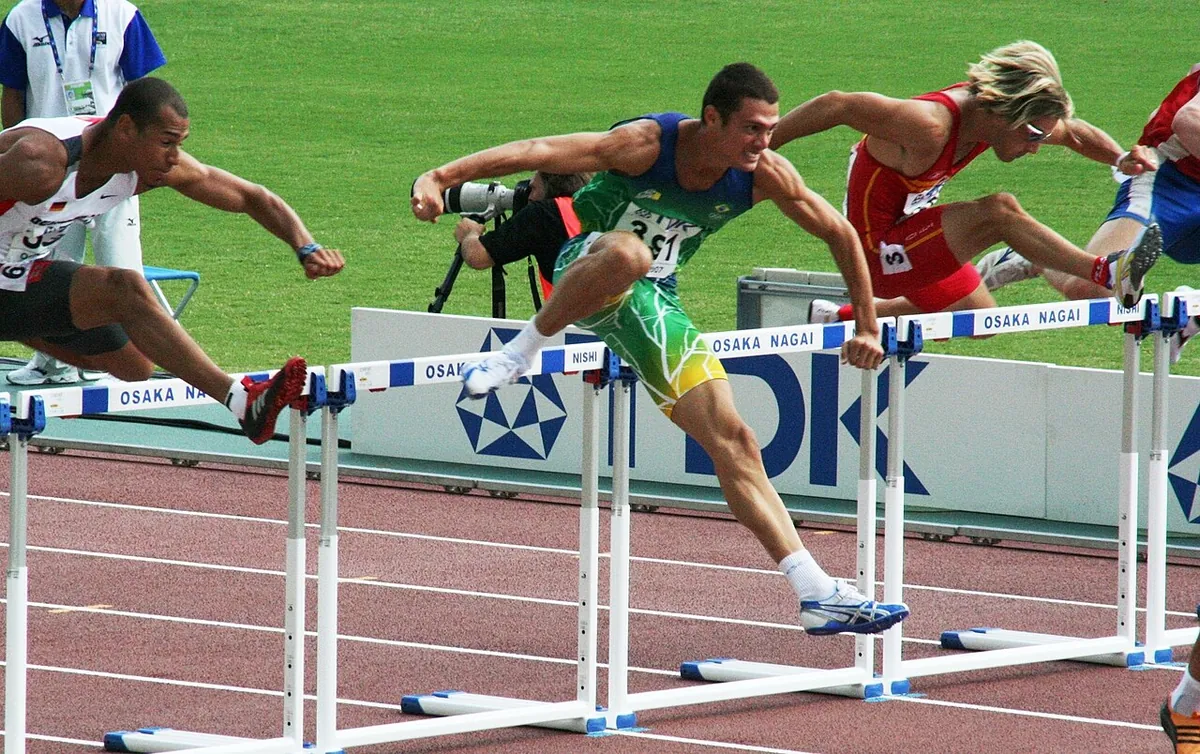
See how hurdle clearance connects with running, and why short hurdles and the 400m hurdles require different decisions.
 Athletics
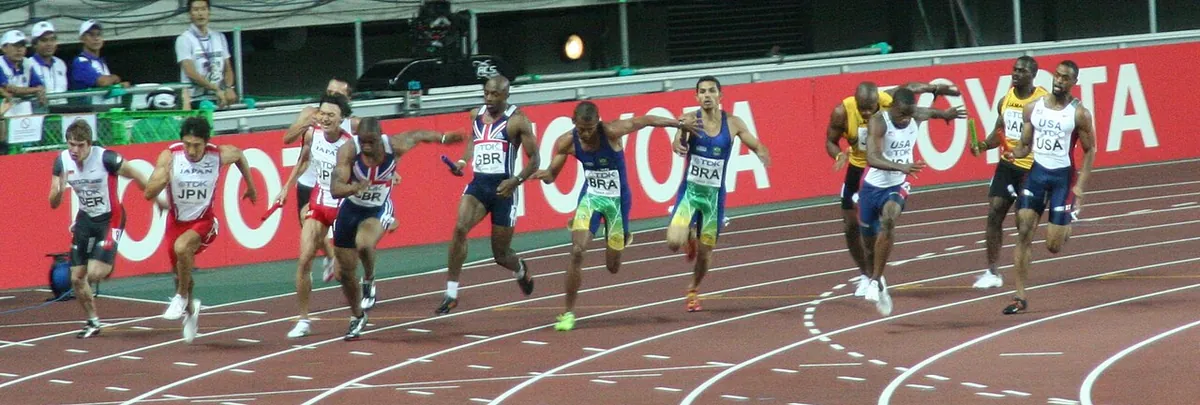
Four fast runners need three effective exchanges to turn individual ability into a competitive team performance.
 Athletics
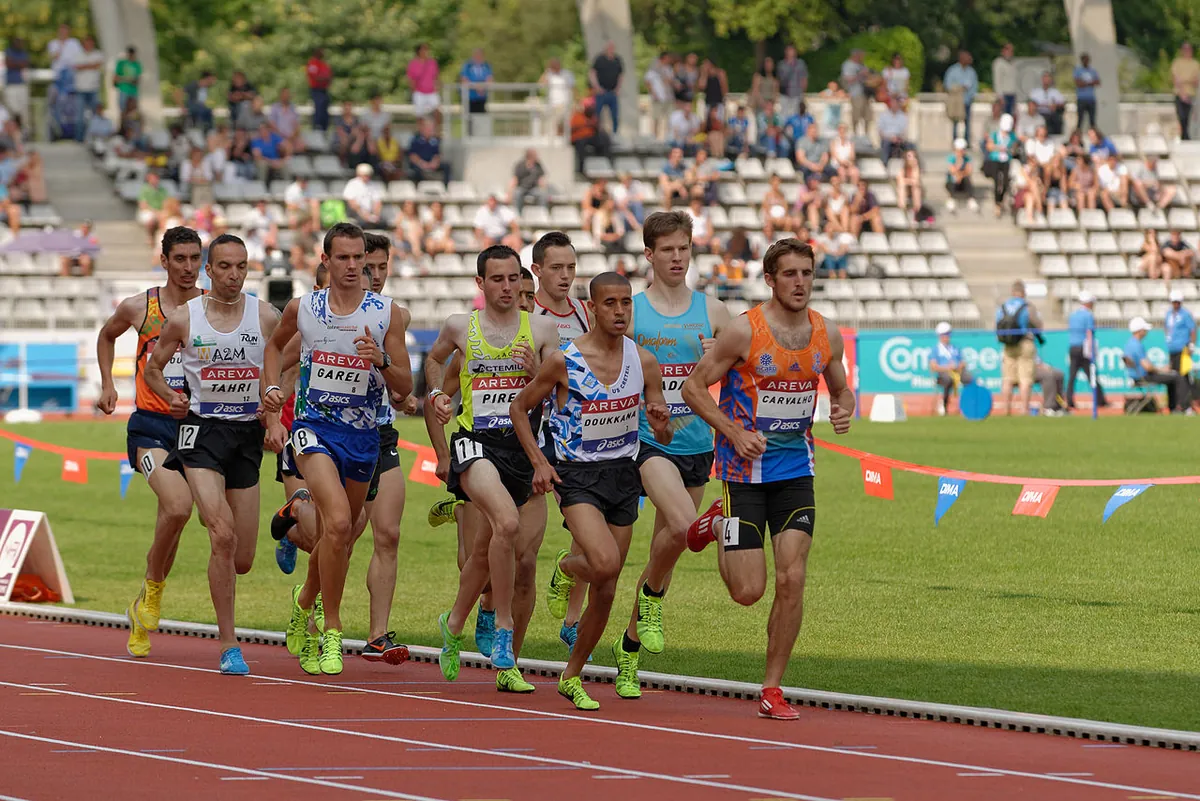
Following, overtaking and responding to surges make middle-distance racing a contest of movement as well as endurance.
 Athletics
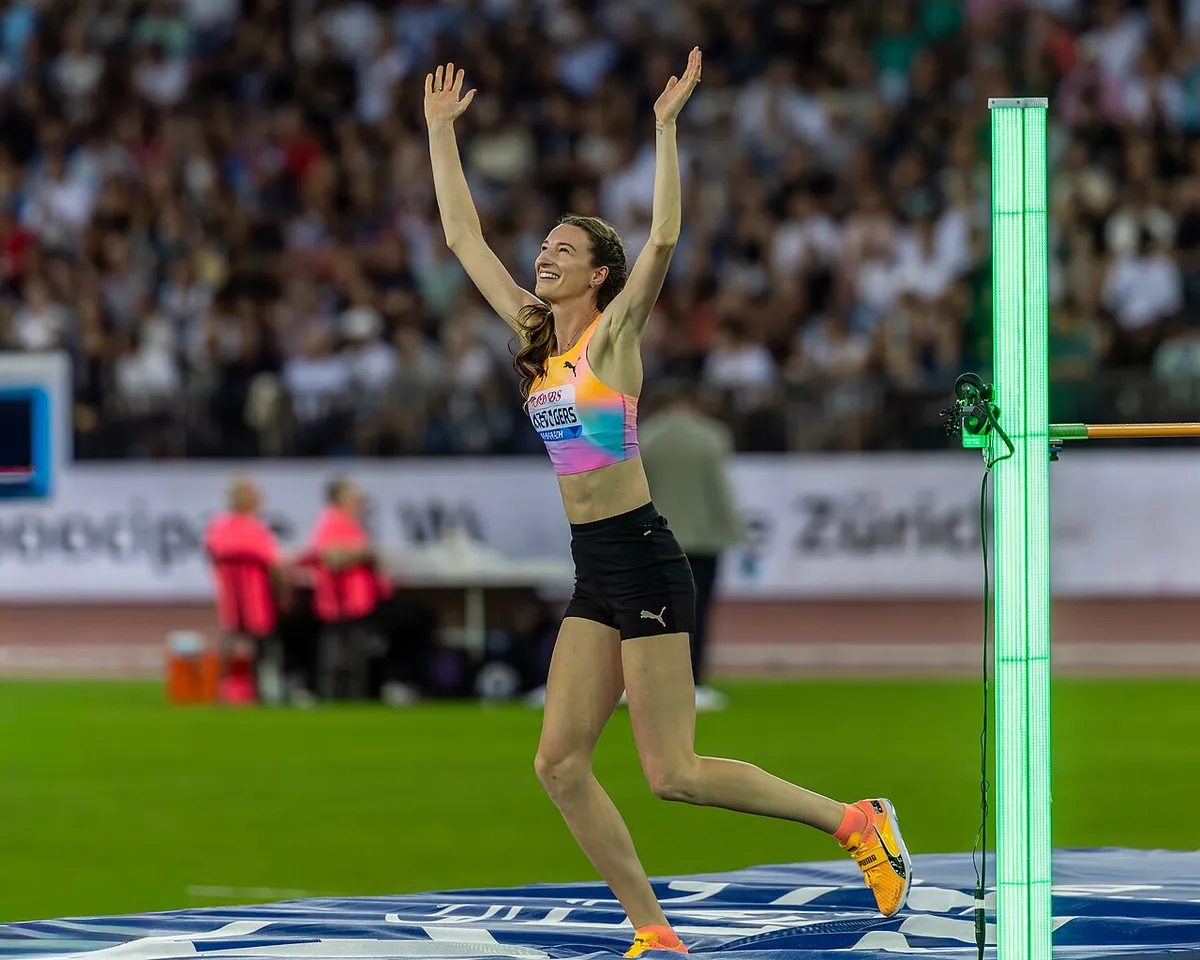
The result sheet records more than the highest bar cleared. Attempts and passes explain the changing competitive picture.
 Athletics
Approach speed, delivery and control work together. A long flight counts only when the attempt meets the rules.
 Athletics
Running, jumping and throwing are converted into points, making consistency across two days more important than counting event wins.
 Athletics
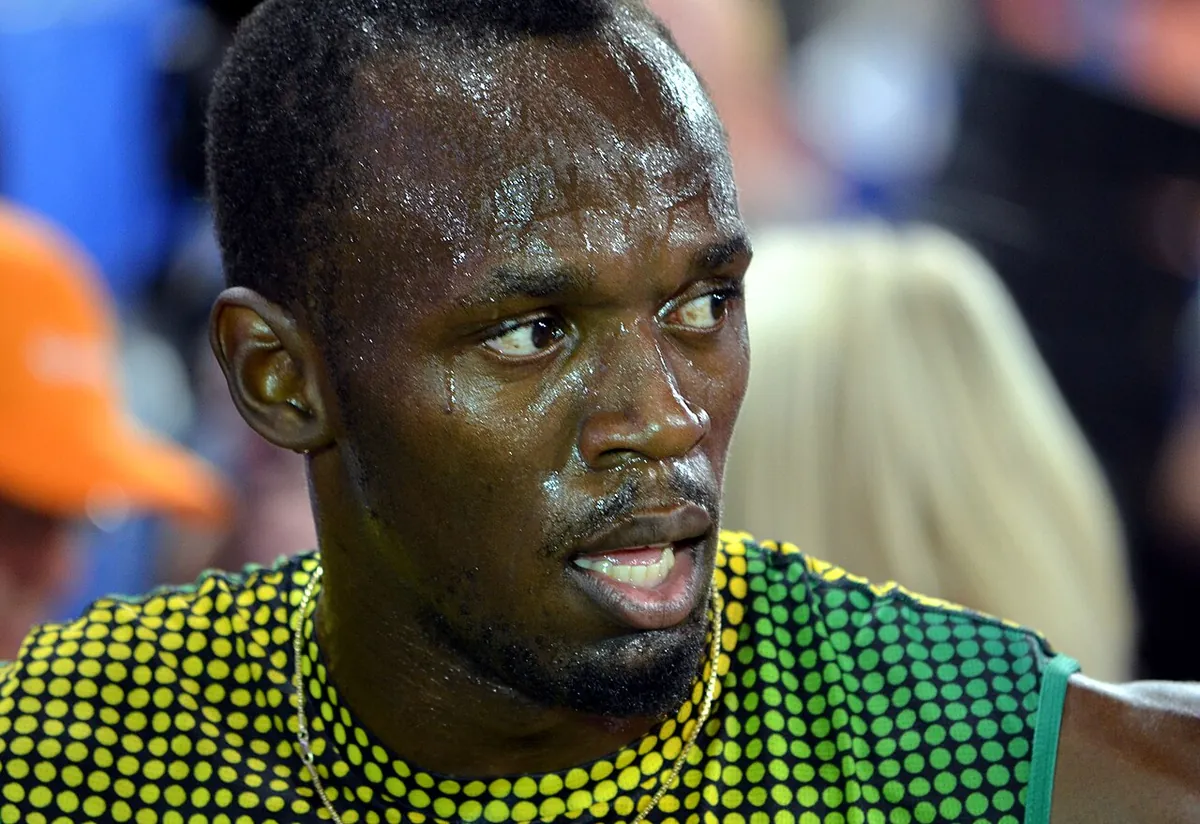
Bolt's Olympic 100m and 200m titles across three Games offer a clear framework for studying sustained sprint excellence.
 Athletics
Liu Xiang's Athens victory is a landmark in Chinese athletics and a useful introduction to the continuous rhythm of sprint hurdling.
 Athletics
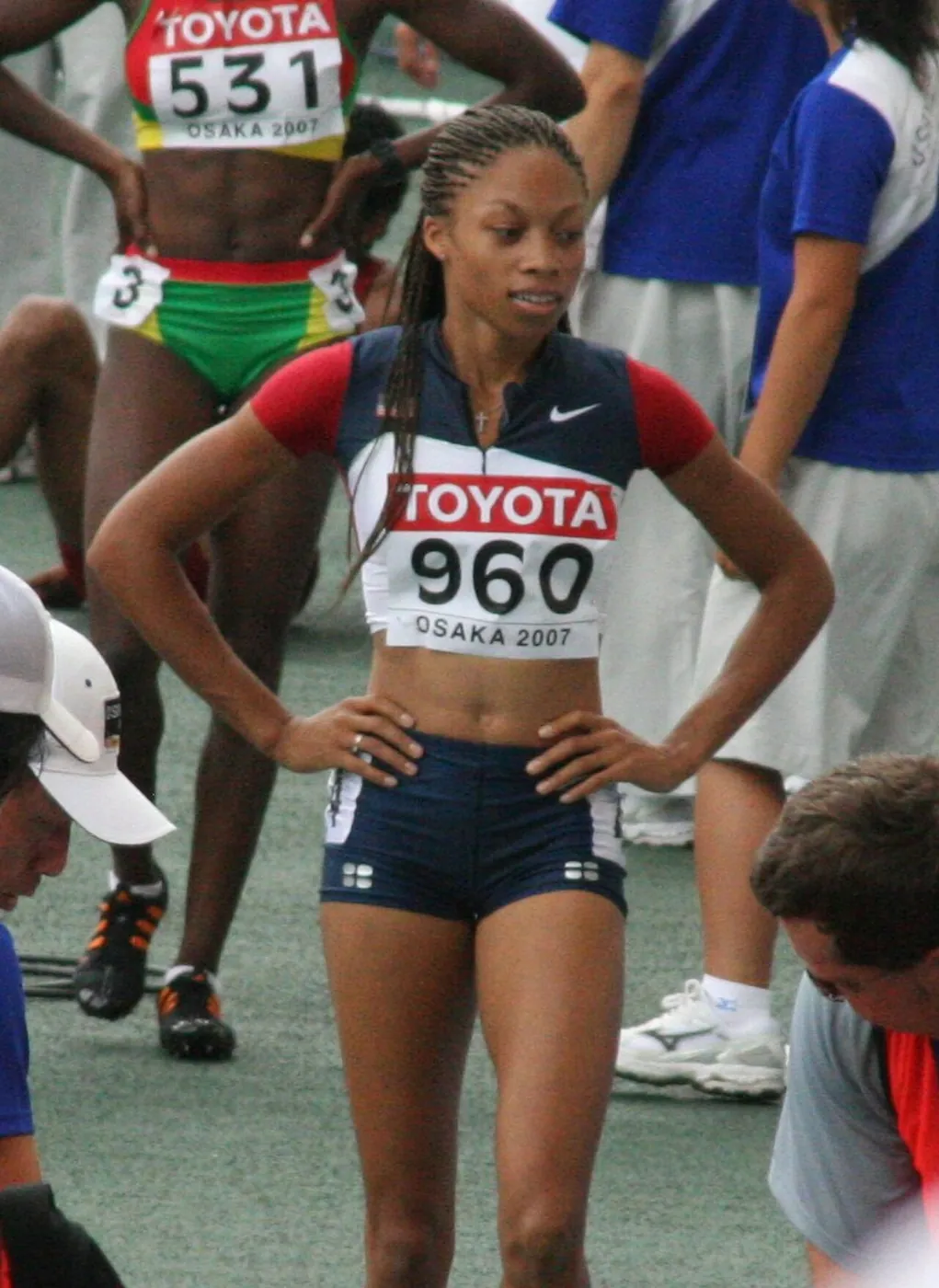
Felix's career spans 200m, 400m and relays, showing how sprint ability can support different individual and team roles.