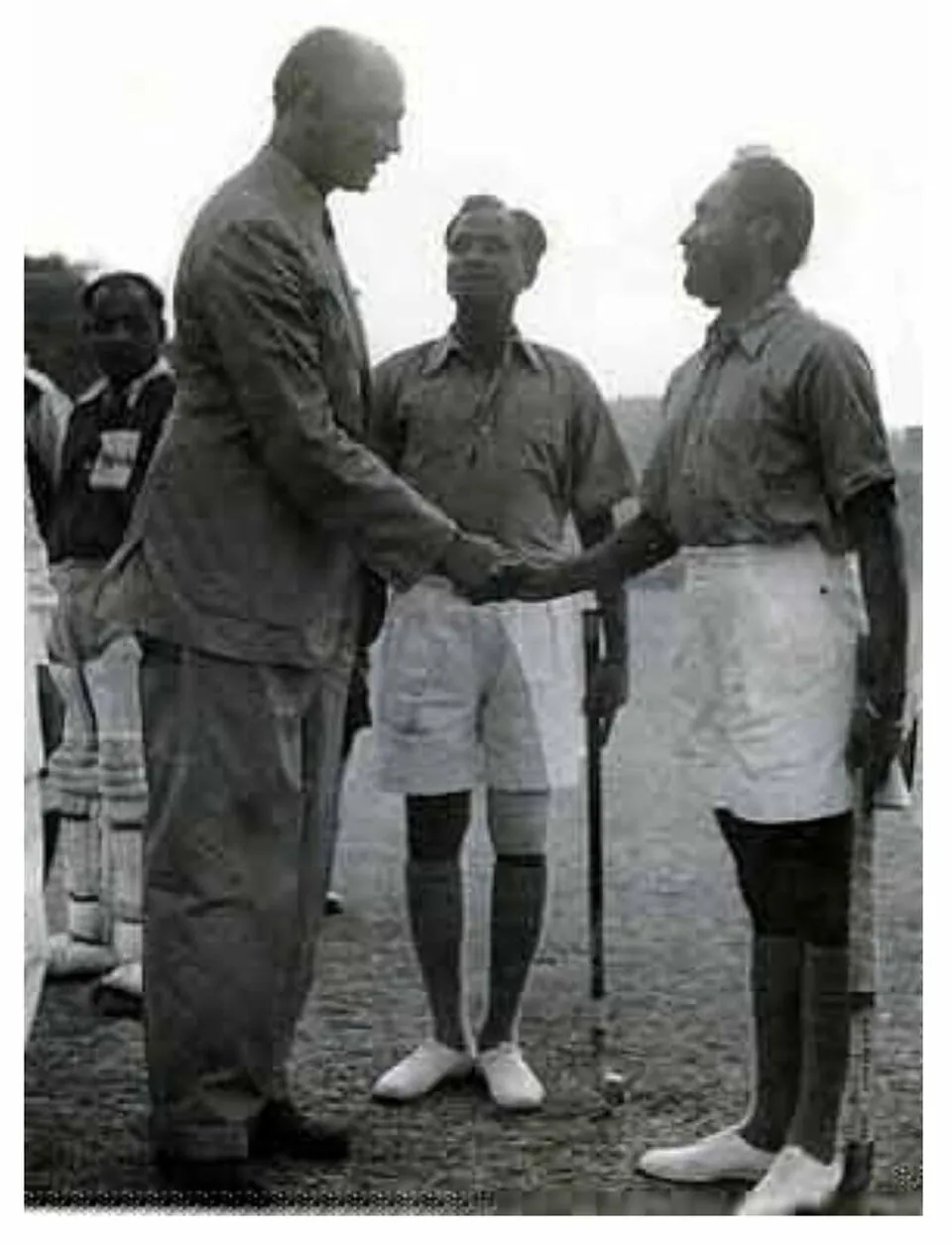
Dhyan Chand was a central figure in Indian field hockey, winning Olympic gold with the team in 1928, 1932 and 1936. Stories about his ability have circulated widely. A reliable introduction begins with recognised competitions and documented records, then considers the technical reputation and cultural significance that developed around them.
Control supports the whole attack
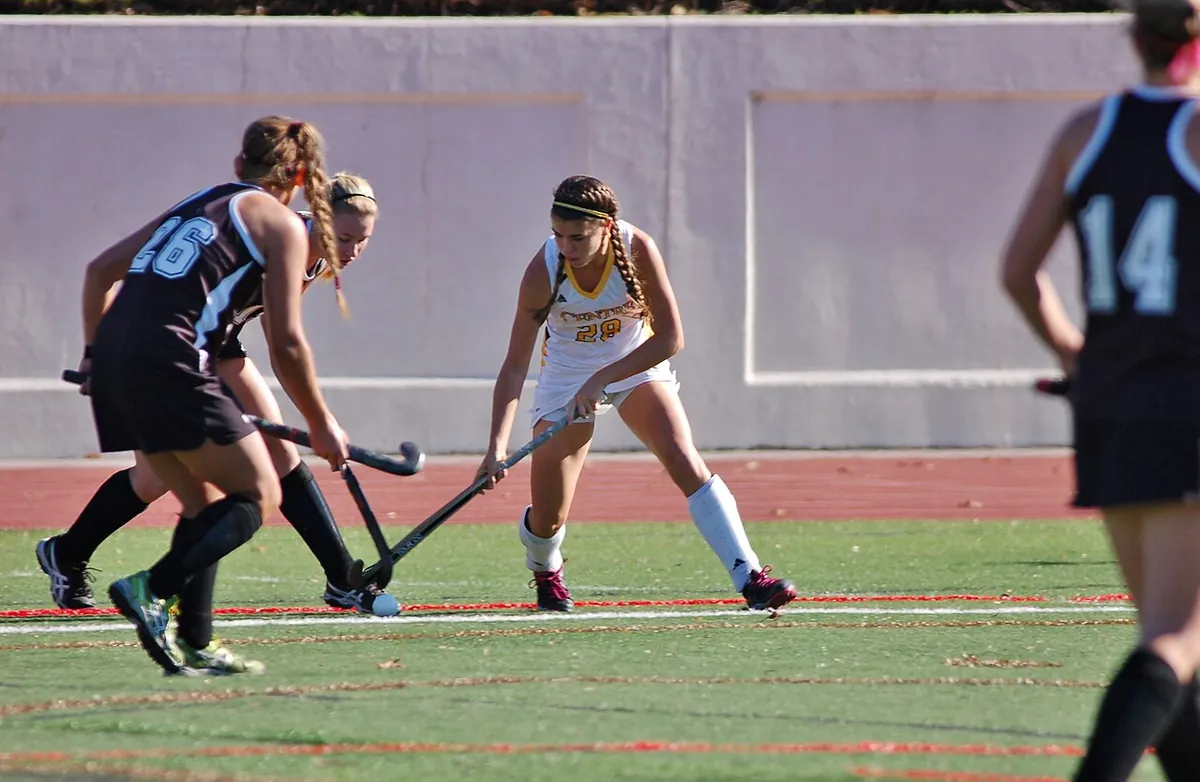
Hockey players coordinate the stick and body to direct the ball while moving towards passing or scoring opportunities. Chand is remembered for close control, but the pitches and equipment of his era matter. The speed familiar from modern artificial surfaces should not become the only standard for assessing technical skill in an earlier setting.
An individual's reputation belongs within a team
India's success in that period combined exceptional players with collective organisation. Supporting movement, match structure and the competitive environment should remain part of the account. Respecting a famous player does not require presenting team victories as solitary achievements; the wider contribution gives the history a more accurate shape.
Keep the boundary around unverified stories
Accounts of extraordinary skill can change as they are retold, and some lack dependable original documentation. Prioritise Olympic results and governing-body material when establishing the biography. This leaves room to discuss cultural memory while making clear which parts of the account rest on a verifiable competitive record.