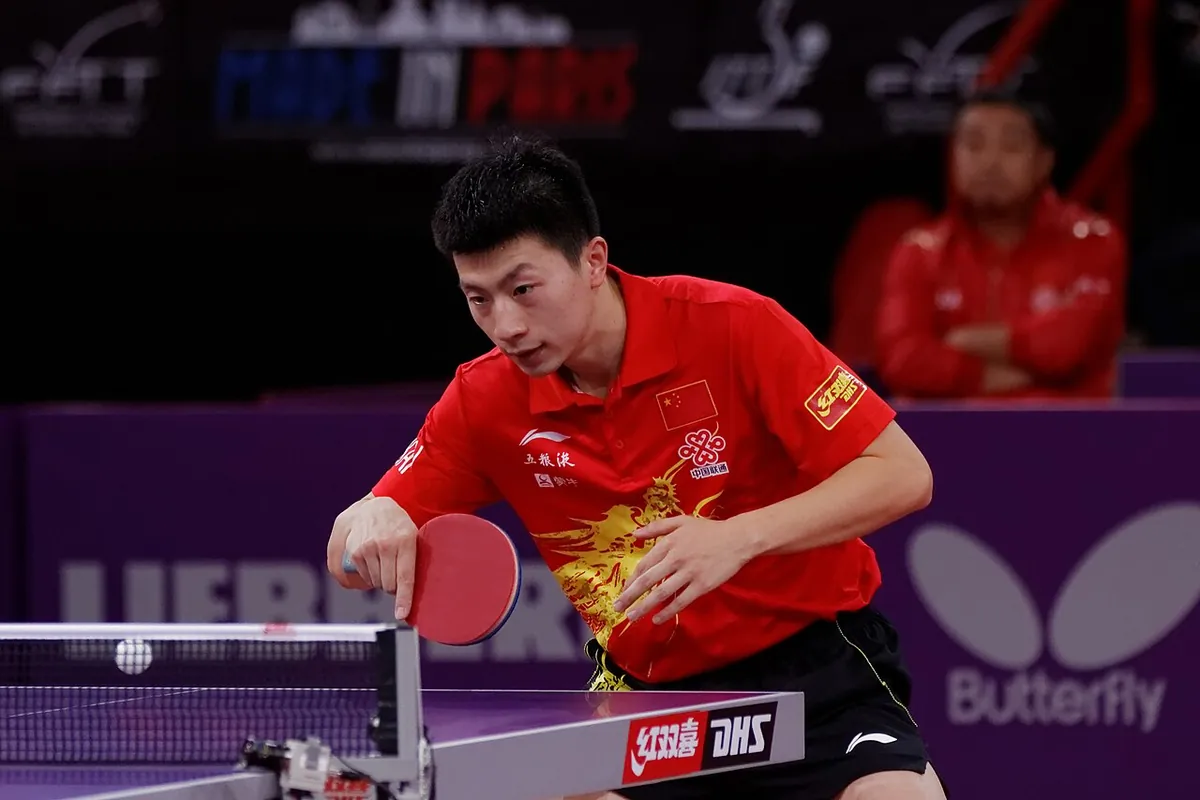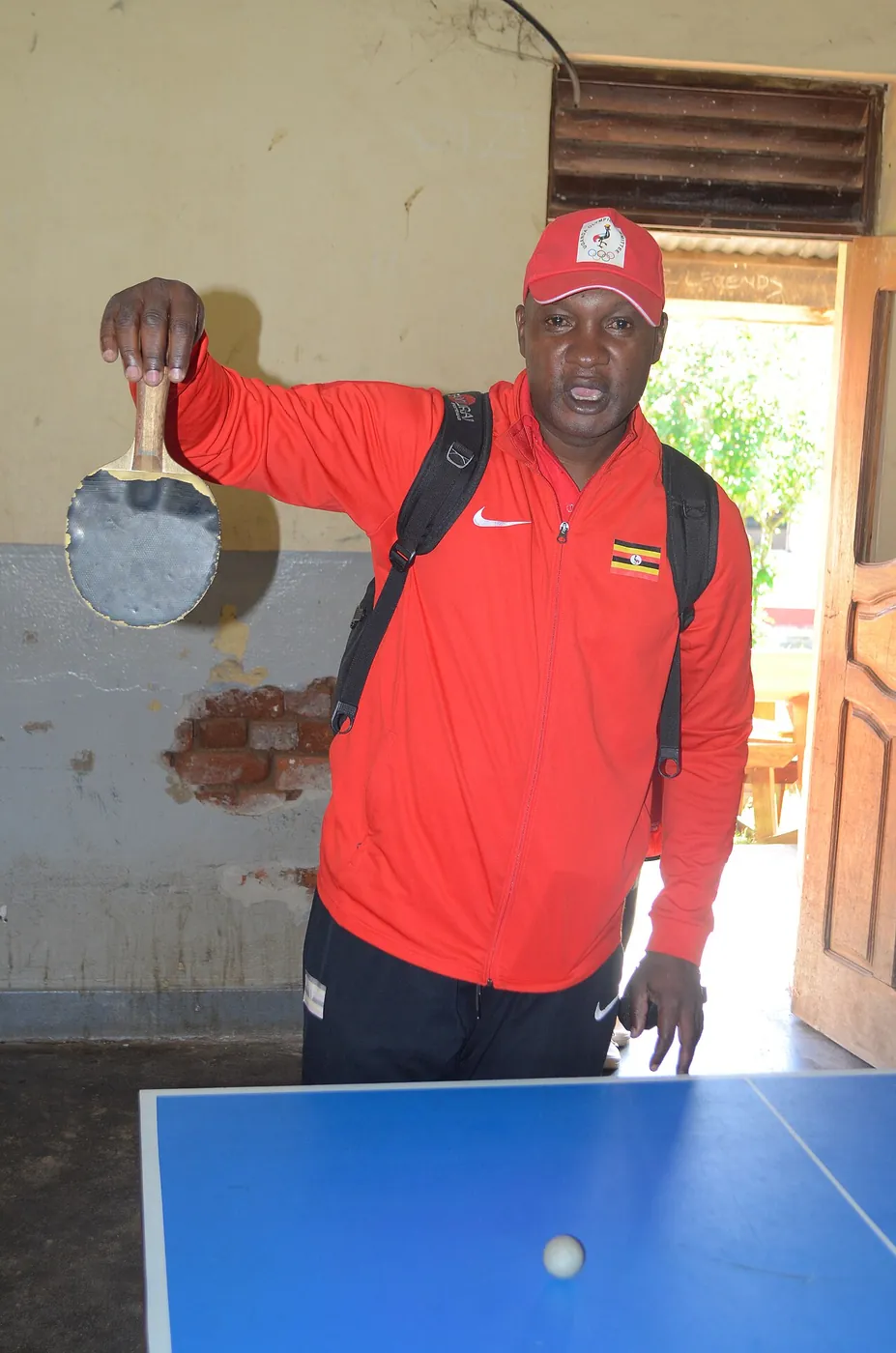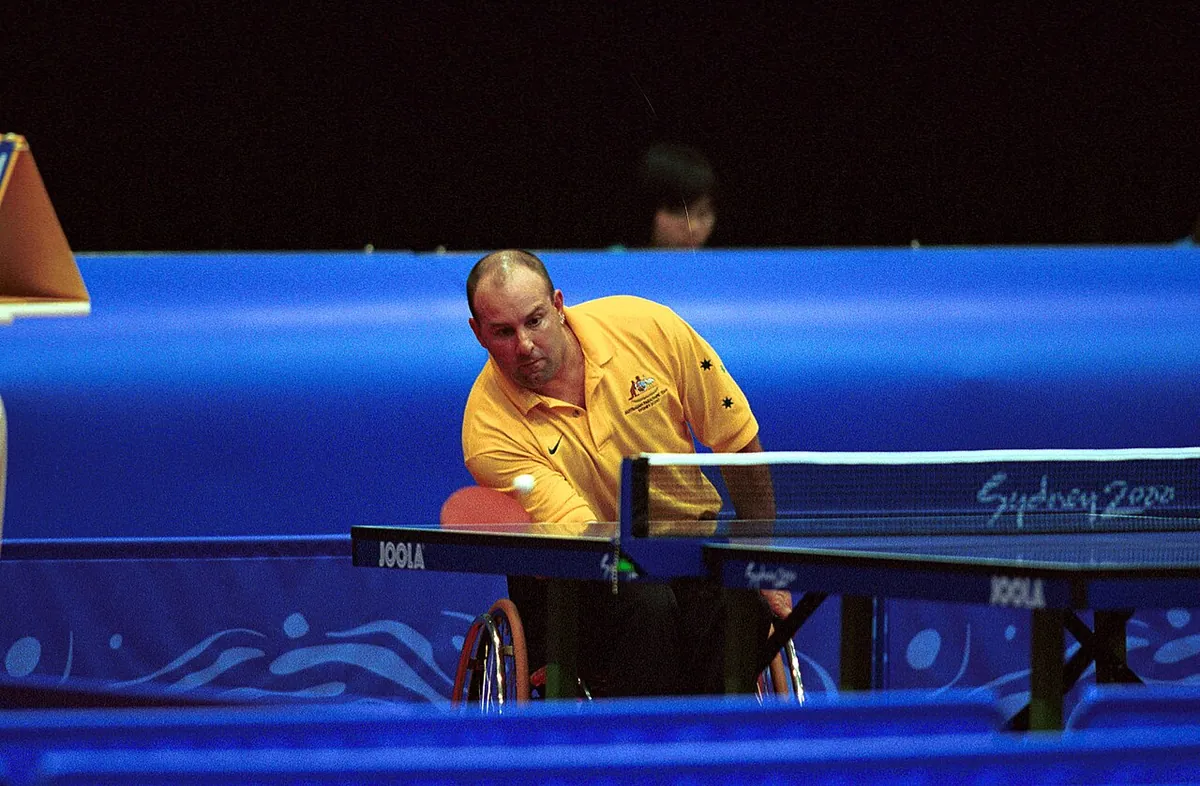
Fast exchanges near the table can appear to be a contest over who swings quickest. In practice, preparation, concise action and placement shorten the opponent's available time. Moving closer also reduces the hitter's own adjustment window, so close-table play involves a continuing balance between initiative and the ability to respond.
Take time through early contact
Meeting the ball earlier in its bounce can send it back before the opponent recovers fully. The advantage depends on accurate judgement; a change of spin can disrupt a player who commits too confidently. Notice the size of the preparation and the body's balance rather than looking only at racket speed.
Change the location as well as the pace
Repeated balls to one area can help the opponent settle into rhythm. A sudden redirection towards the middle or the opposite side demands a new movement. In a quick exchange, that change can magnify a small positional disadvantage. Judge pressure by the comfort of the opponent's contact, not solely by velocity.
Retreat when the situation requires it
A difficult incoming ball or poor body position may make a step back useful because it provides more handling time. Close-table play is not a permanent distance that must be maintained at any cost. Effective players adjust their relationship to the table so their available techniques fit the changing rally.