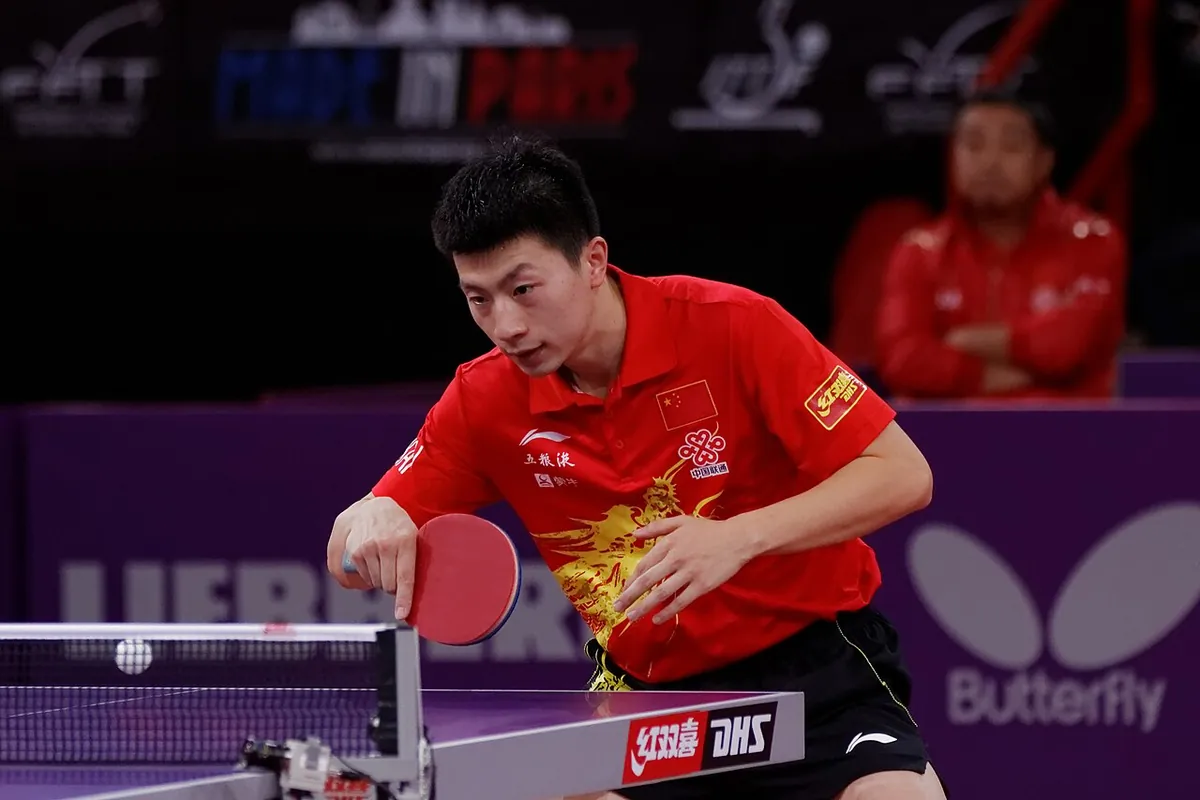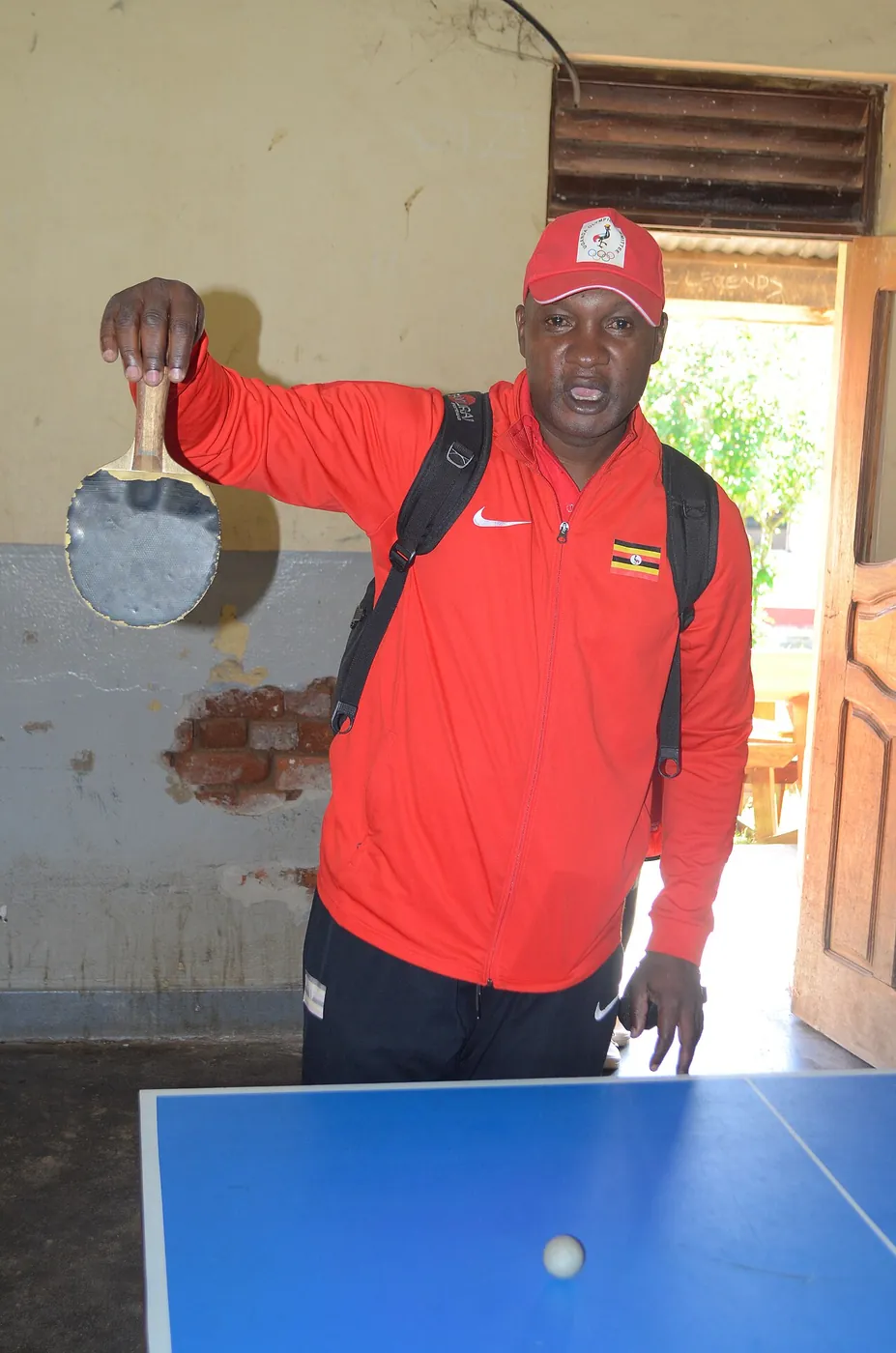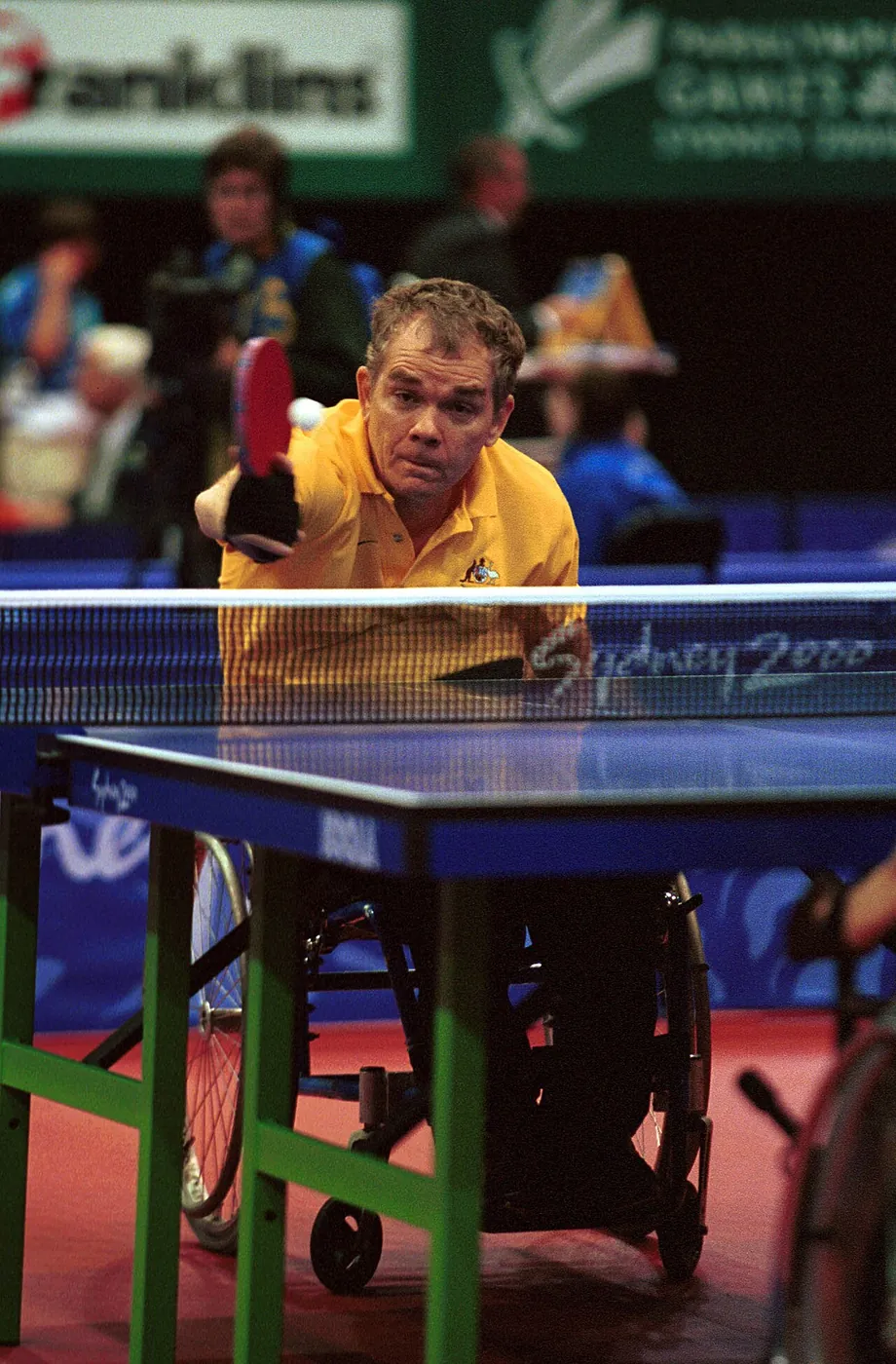
The first three balls commonly mean the serve, the receive and the server's next stroke. Not every point ends there, but those contacts often establish its structure. Try identifying the return the server appears to invite, then compare the actual response and the attacking opportunity that follows.
The serve creates a range of replies
A short serve may restrict immediate acceleration, while a long serve can apply sudden pressure through pace and placement. Changing spin from a similar action demands another judgement from the receiver. The server still needs to prepare for several responses rather than assuming the opponent will produce one predetermined ball.
The receive can change initiative
A short touch can limit the next attack, a deep push can suddenly pressure the body or end of the table, and an attacking receive needs suitable contact conditions. None is always aggressive or always cautious. Read spin, length and balance before deciding whether the chosen response made practical sense.
The opening attack must allow continuation
If the first attack is returned, the player must handle a block or counterattack immediately. Excessive commitment that destroys balance can erase the advantage earned by the serve. Watch the recovery after the third ball as well as its pace to see whether the attack supports the next exchange.