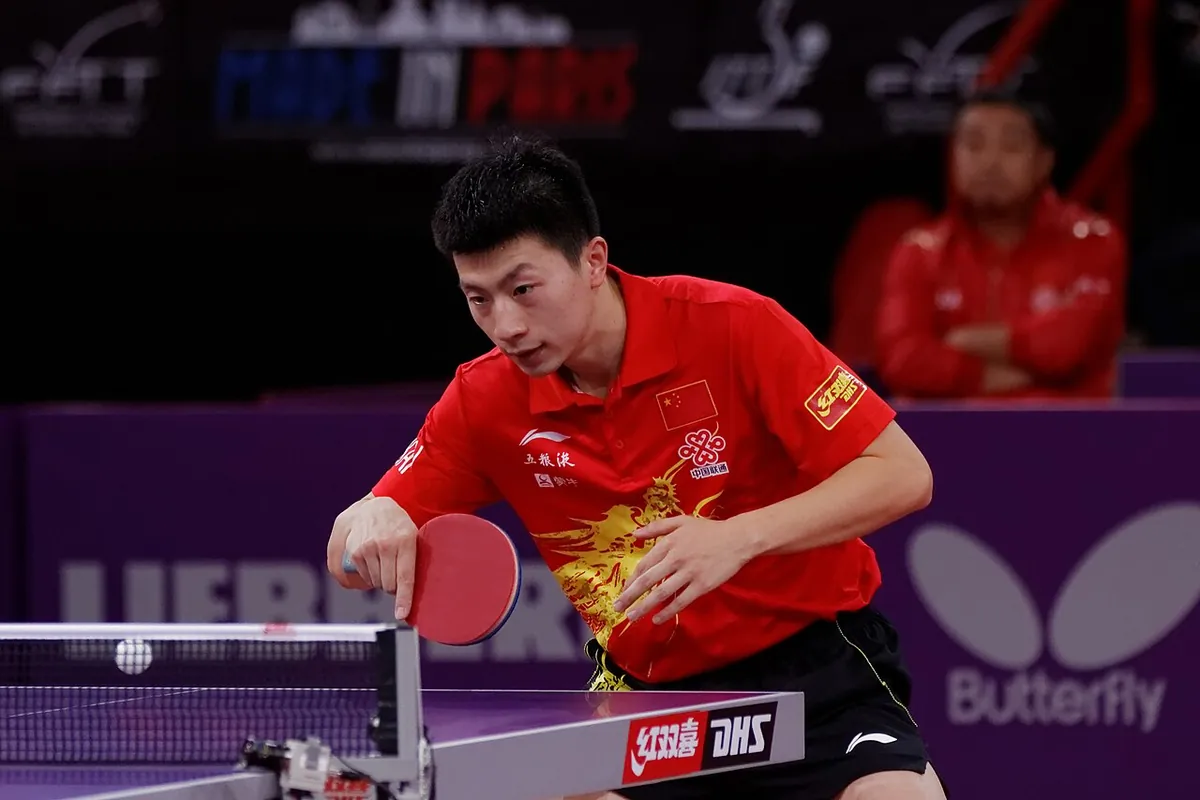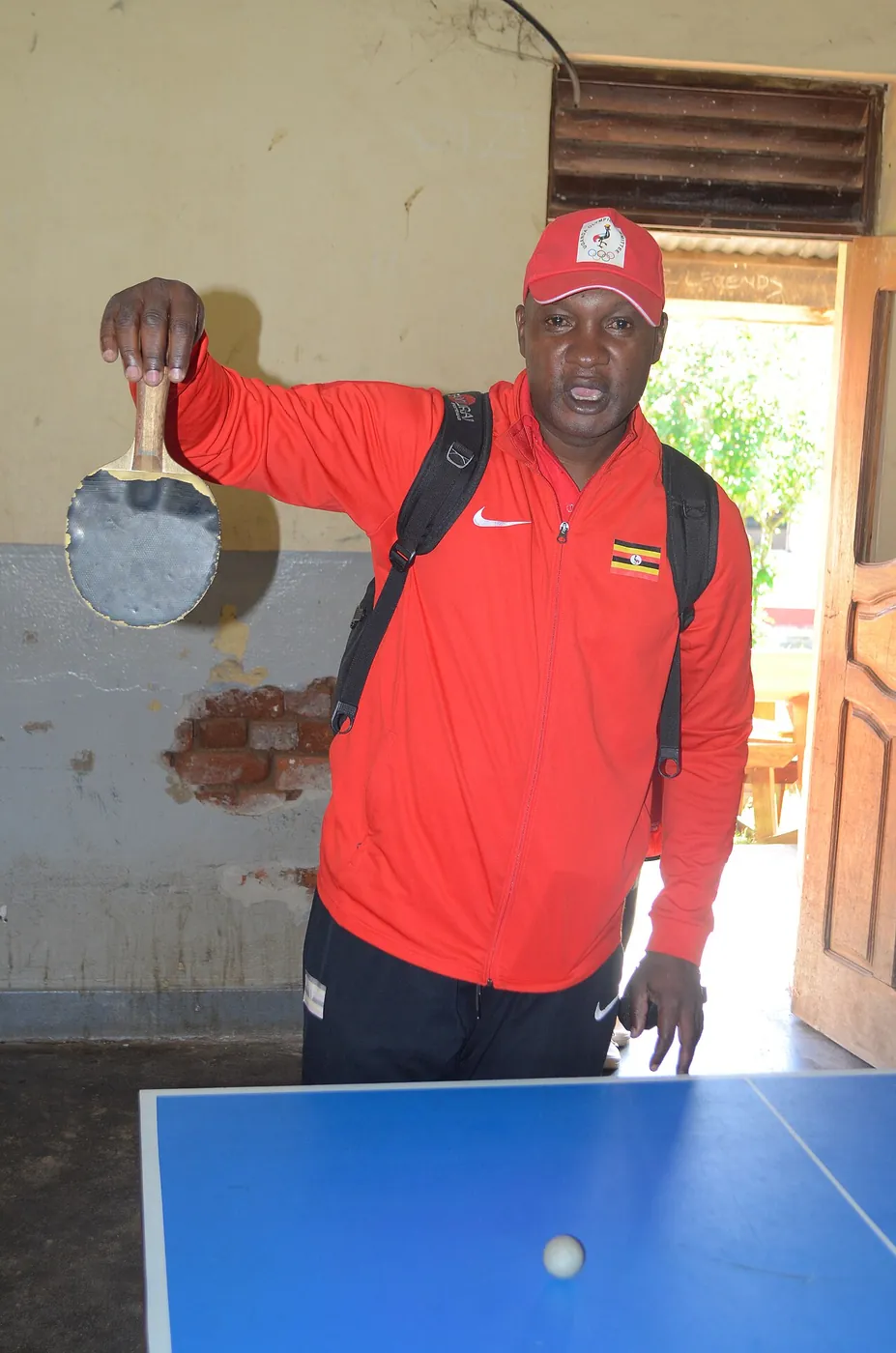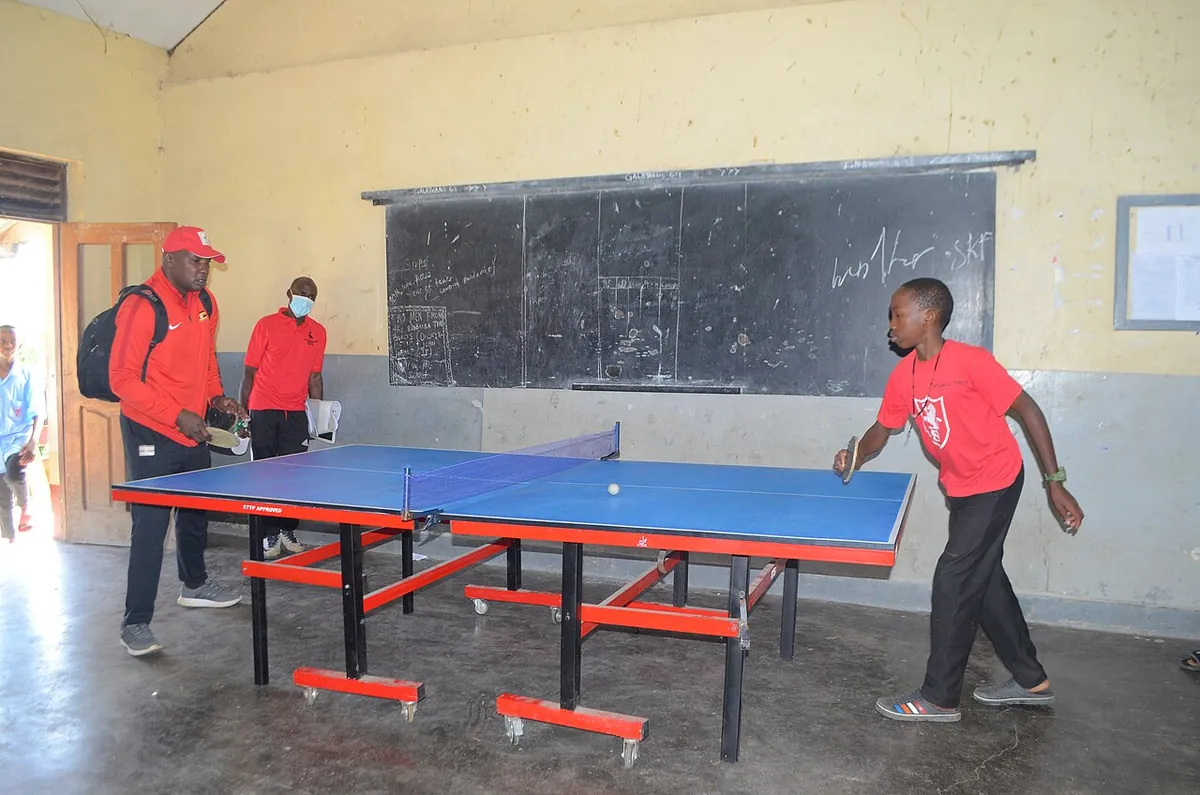
Table tennis serving combines technical variation with specific restrictions. Under the ITTF framework, the ball begins on a stationary open palm, is projected upwards and is struck while descending. One central purpose is to let the receiver see the ball and the contact clearly, allowing skill to operate within an observable action.
The toss and starting position matter
The ball should rise near vertically by at least sixteen centimetres after leaving the hand, without spin being imparted by the toss. Its relationship to the table surface and end line is also regulated. A television angle may not reveal every detail, so one still image is rarely a complete basis for judgement.
Distinguish singles from doubles bounces
A serve first touches the server's court and then the receiver's. Doubles additionally requires the appropriate right-half sequence, whereas singles has no equivalent side-to-side restriction. A net-touching serve that otherwise meets the requirements is normally replayed; other failures cannot automatically be converted into a let merely because the net was touched.
Separate legality from receiving difficulty
A difficult serve can be entirely legal, while an ordinary-looking action may fail a requirement. Officials assess the toss, position and visibility; the receiver also interprets spin and placement. Keeping those questions distinct allows appreciation of technical skill without confusing it with the basis for a serving decision.