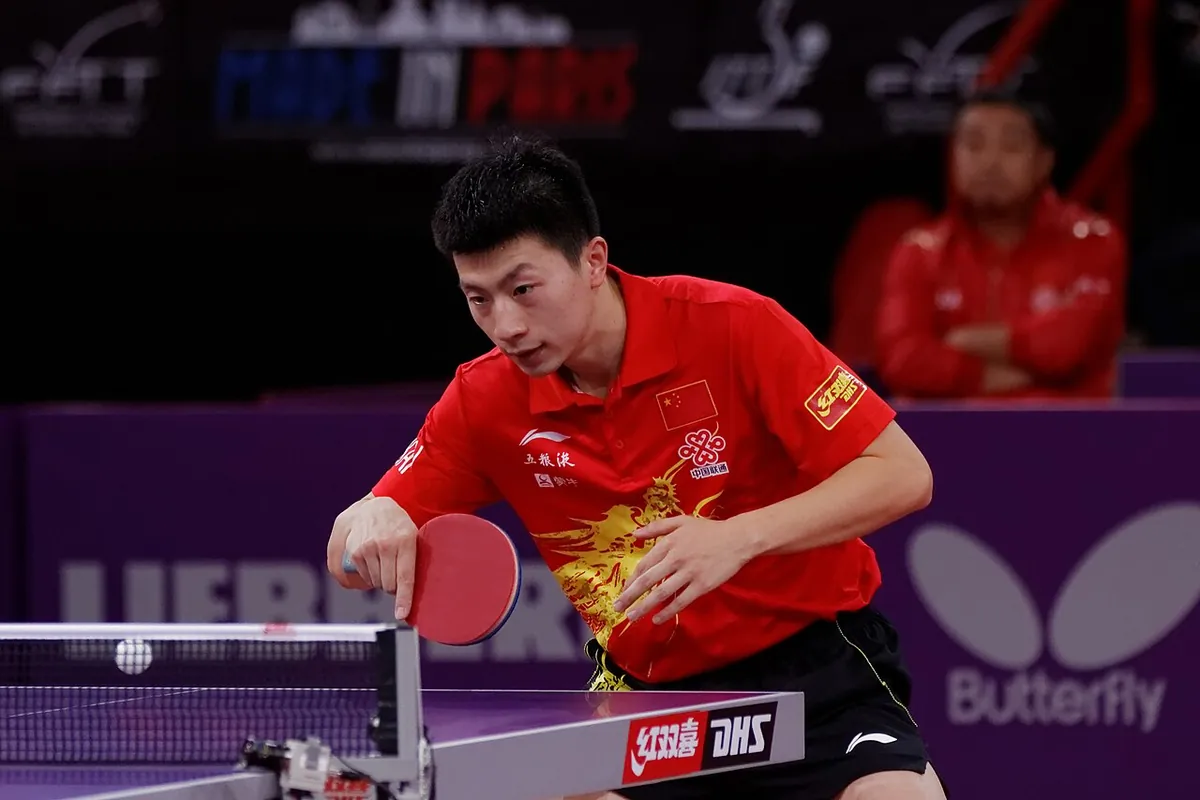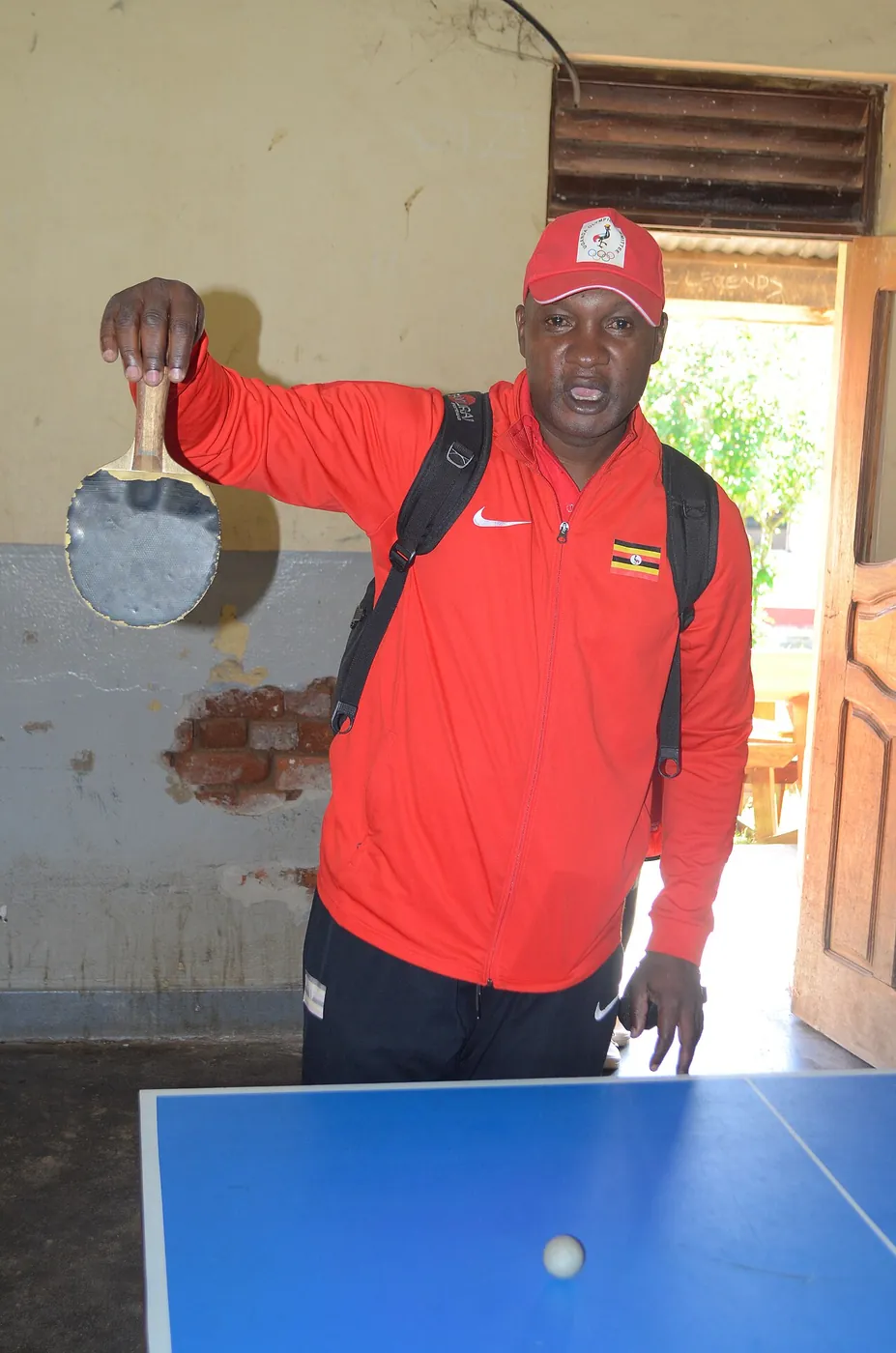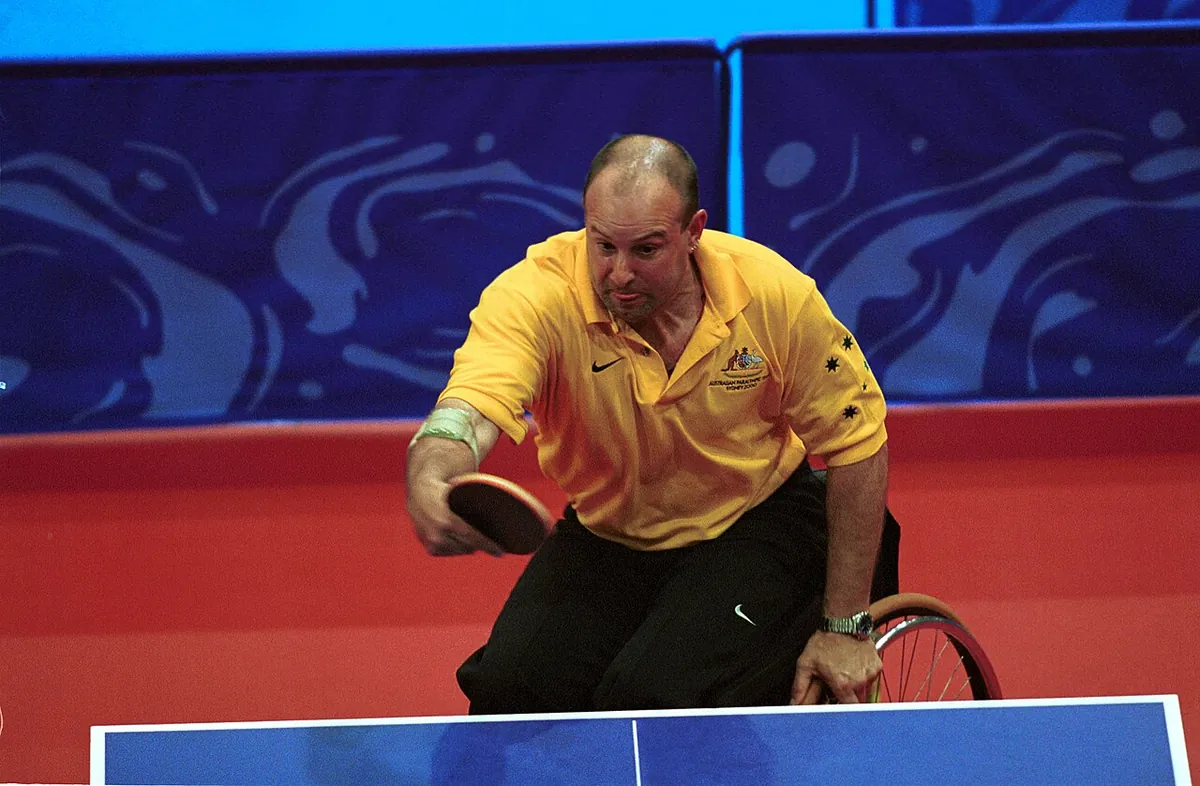
The loop is a major attacking stroke in modern table tennis, using brushing contact to produce substantial topspin. It is not one fixed action for every ball: backspin, topspin and different lengths require adjustments. Establish the incoming conditions before comparing the player's swing, trajectory and choice of placement.
Reach an appropriate contact distance
A player too close to the ball may lack room to swing, while reaching too far can undermine balance. Footwork helps the arm, trunk and lower body work together. The quality of a loop therefore begins before contact, with the movement that makes a controlled stroke physically possible.
Combine speed and spin for the task
Some loops emphasise rotation and a higher arc, while others travel faster and more directly. The opponent and incoming ball affect the appropriate combination. Pace alone cannot establish quality. Consider the landing position, bounce, difficulty of the reply and whether the hitter remains ready to respond afterwards.
Recover between attacking strokes
The racket and body need to return to a usable preparation position, especially against a quick block. Repeated looping tests the connection between strokes as much as the quality of one attack. Watch the brief interval after contact to understand why a player can maintain pressure through several changing replies.