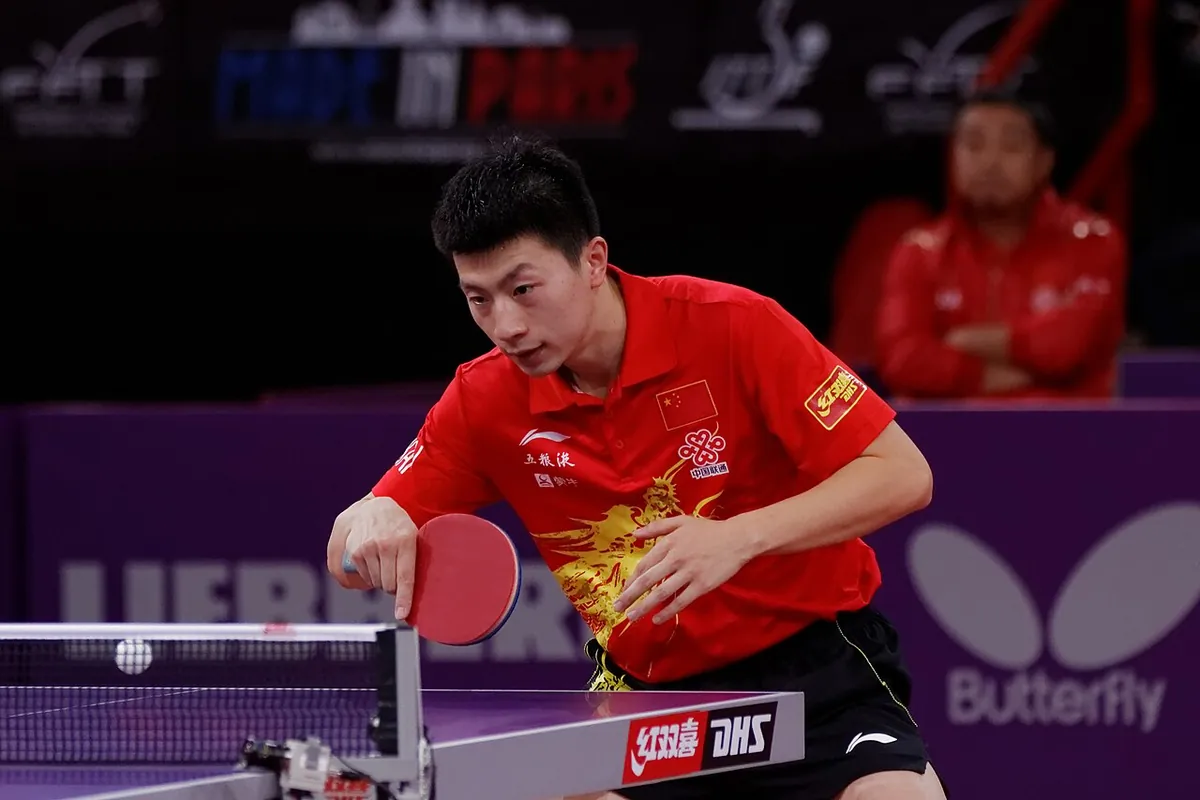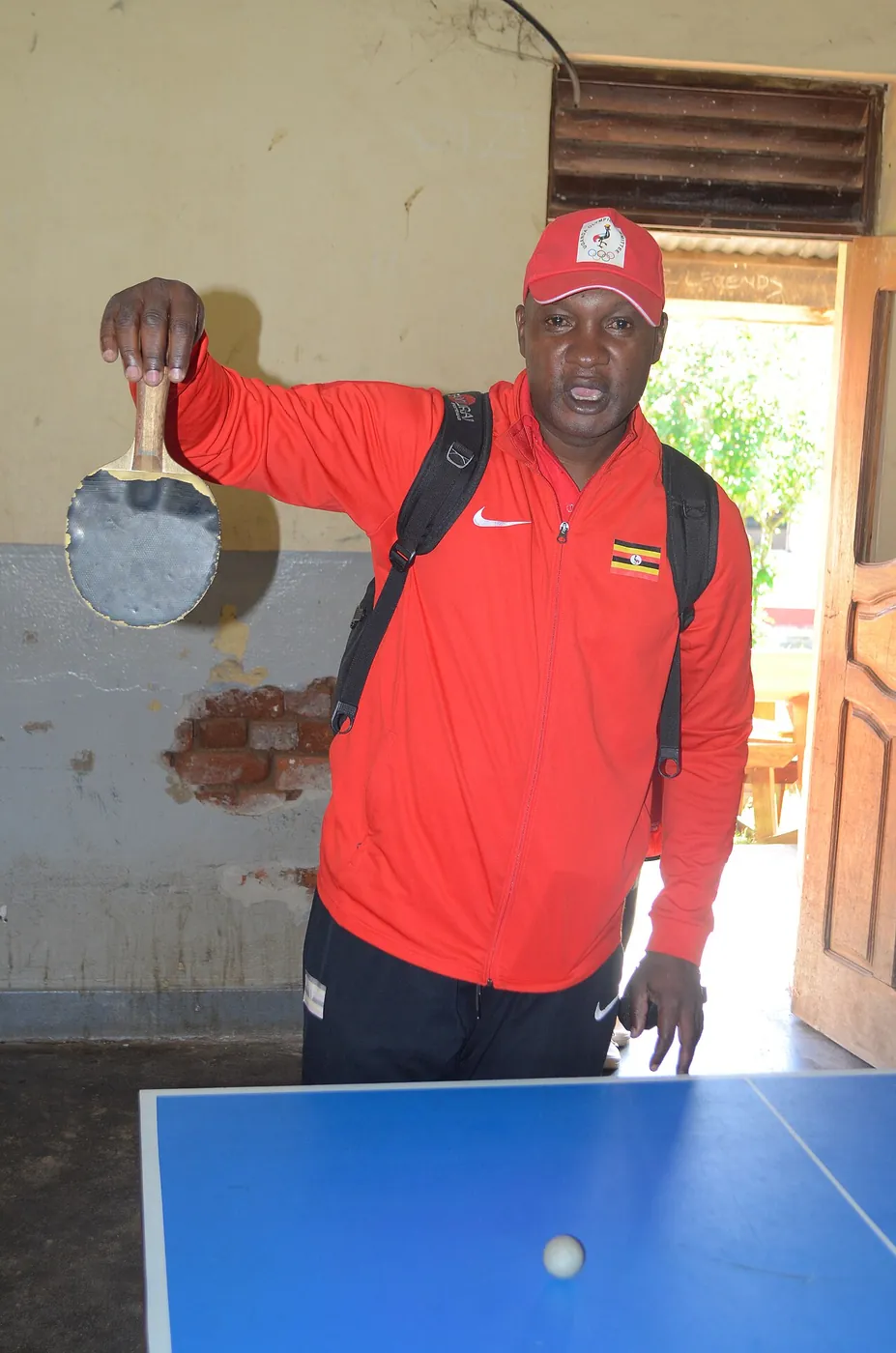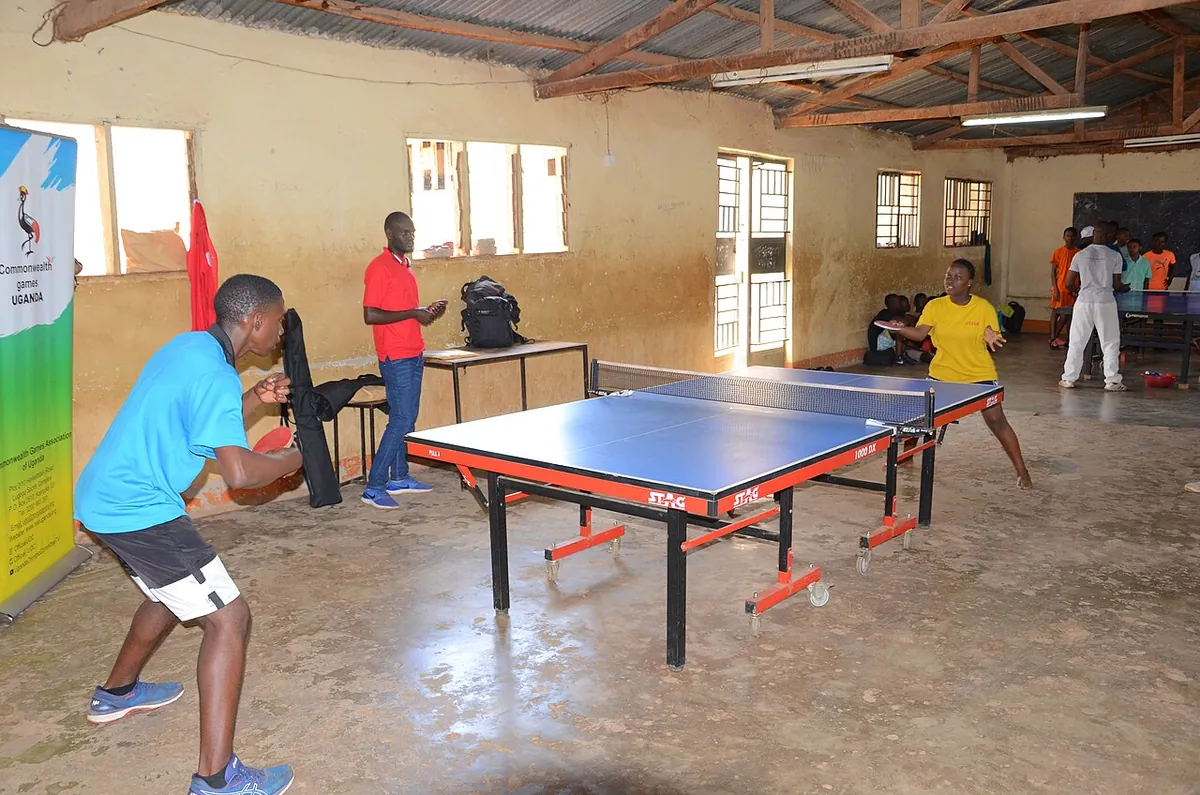
A table tennis ball's rotation has a substantial effect on how it travels and reacts at contact. Topspin, backspin and sidespin can appear in combinations rather than as isolated categories. A viewer need not calculate revolutions: identifying the main effect and watching the receiver's racket adjustment already provides useful insight.
Topspin combines forward pressure with arc
Against the racket, topspin tends to lift the response forwards and upwards unless the receiver accounts for it. Attacking loops use rotation to help the ball dip after clearing the net. Speed, placement and length remain essential, since two topspin balls can present very different problems despite sharing the same broad label.
Backspin changes the lifting requirement
A direct, flat contact against backspin can send the ball into the net. An attacker uses suitable brushing and upward movement to create clearance, while a push may preserve backspin and delay the attack. Slow-looking exchanges near the table can therefore contain a serious contest over who first receives a manageable opening.
Sidespin changes the lateral response
Sidespin can make the ball leave the receiver's racket towards one side, requiring an appropriate correction. Serves often combine it with topspin or backspin, allowing similar preparations to produce different outcomes. If the rotation itself is difficult to see, watch the returning direction and the player's adjustment for evidence of its effect.