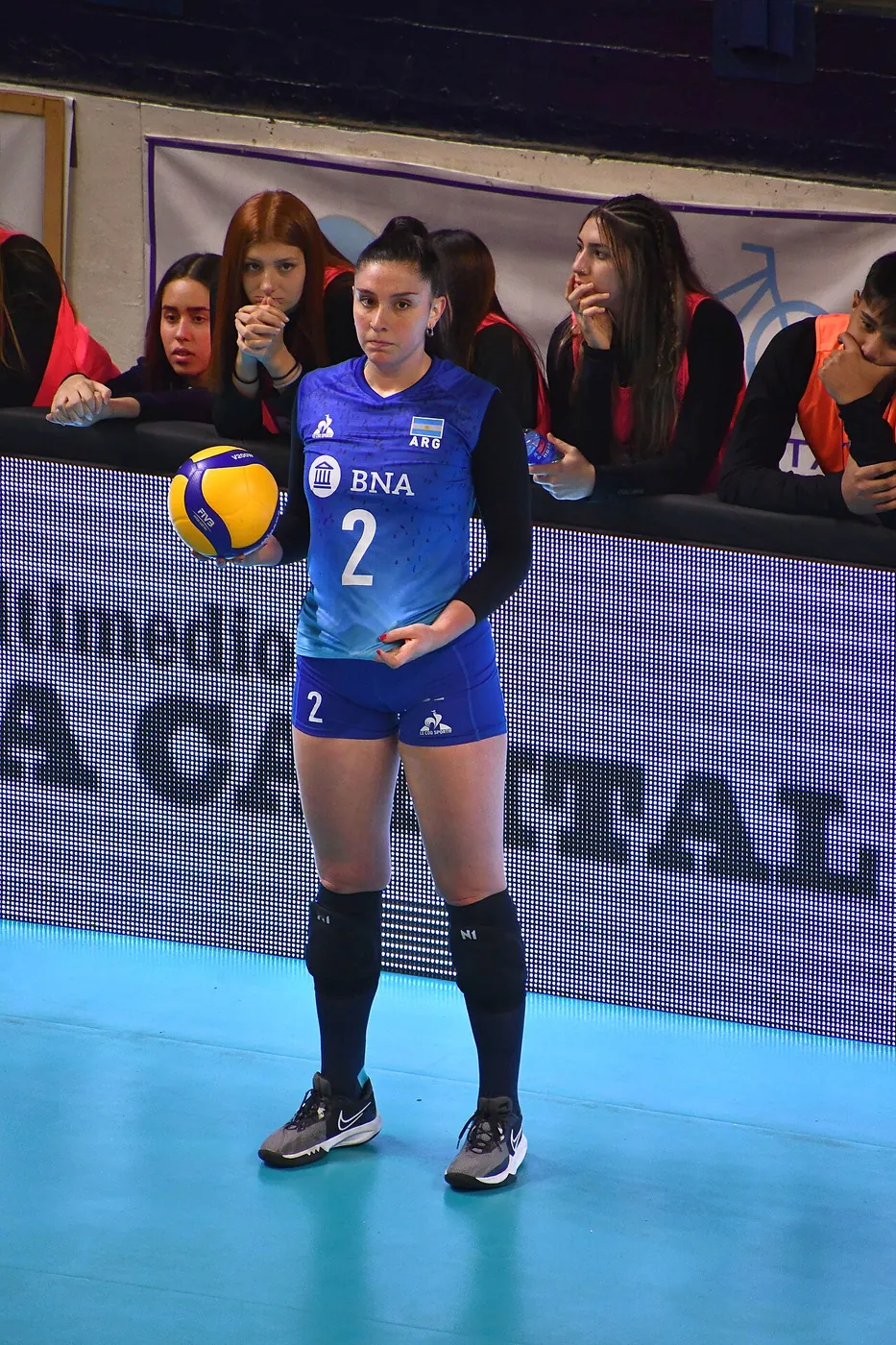
The libero mainly contributes to back-row reception and defence and wears a clearly contrasting jersey. FIVB introduced the specialist role in 1998. Rather than defining the position only by a player's height or spectacular saves, observe how difficult first contacts are made usable for the team's next action.
Replacement serves a specialised task
Libero replacements follow procedures distinct from ordinary substitutions and allow a reception or defensive specialist to cover back-row work. In the FIVB system, serving, blocking and certain attacking actions are restricted. Other competitions may apply different provisions, so assumptions learned from one league should not automatically be transferred to another.
Reception affects everyone else's choices
A challenging serve demands accurate reading, movement and agreement over who covers the landing area. Consistent first passes reduce the setter's need to chase the ball and preserve more attacking options. This work may not appear as a point won directly, yet it influences the efficiency of the entire attack.
The save may require a second decision
The libero may also help organise when the setter cannot take the second contact. A teammate's above-net attack after the libero's overhead finger pass from the front zone is subject to a particular restriction. Connect location, contact method and the ensuing attack before interpreting either the technical contribution or a possible whistle.