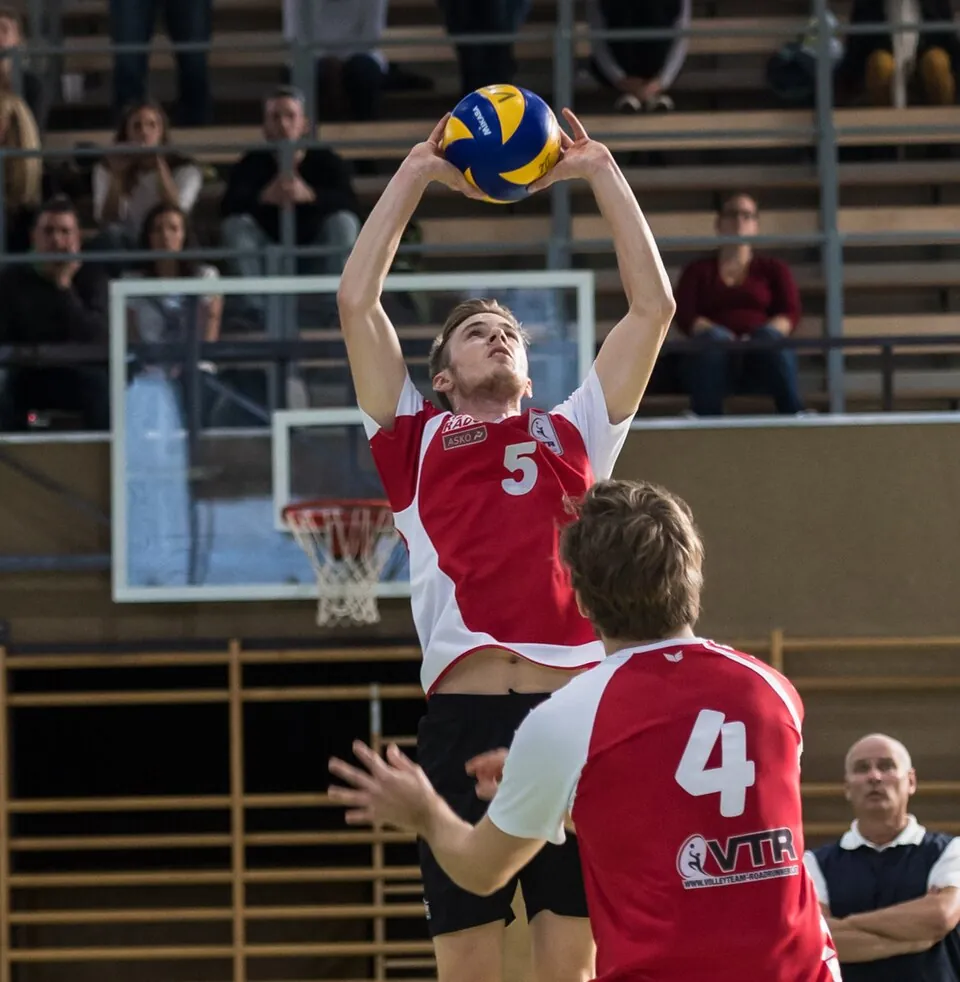
An effective volleyball attack does more than generate power. It aims to prevent the opponent from forming a complete block at the right moment. Quick combinations, wide sets and back-row threats all serve that purpose, but they depend on reception quality and coordinated approaches rather than existing independently.
A quick threat compresses the decision
A fast combination between the setter and middle attacker makes the opposing middle blocker decide early. Even when the ball goes elsewhere, the approach can hold attention. Watching the hitter who never touches the ball can explain why a teammate on the wing ultimately faces only one blocker.
Width increases the distance to cover
When both wings remain credible options, the opposing middle has a larger horizontal area to protect. A quick, accurate set can reduce the time available to close the block. Yet the hitter still needs a controllable contact point: an excessively rushed or low ball can undermine the attacking advantage.
Similar preparation supports useful variation
Consistent-looking approaches and body positions can make different combinations harder to predict. If each play announces itself through an obvious early signal, the defence gains time. Across a set, compare the options used from similar receptions to understand how the attack establishes threats and then changes the answer.