Badminton doubles moves quickly, yet its positional changes have a readable logic. A pair with a downward attacking opportunity often divides front and rear responsibilities, while defenders commonly cover side by side. These are starting patterns rather than rigid diagrams; transitional situations require both partners to interpret the same developing rally.
Share the attacking areas
While the rear player attacks, the front player prepares to intercept shorter replies and cover gaps. Standing as close to the net as possible is not always best, because reaction time and movement still matter. Watch whether the front player's position changes with the partner's hitting direction.
Protect both sides while defending
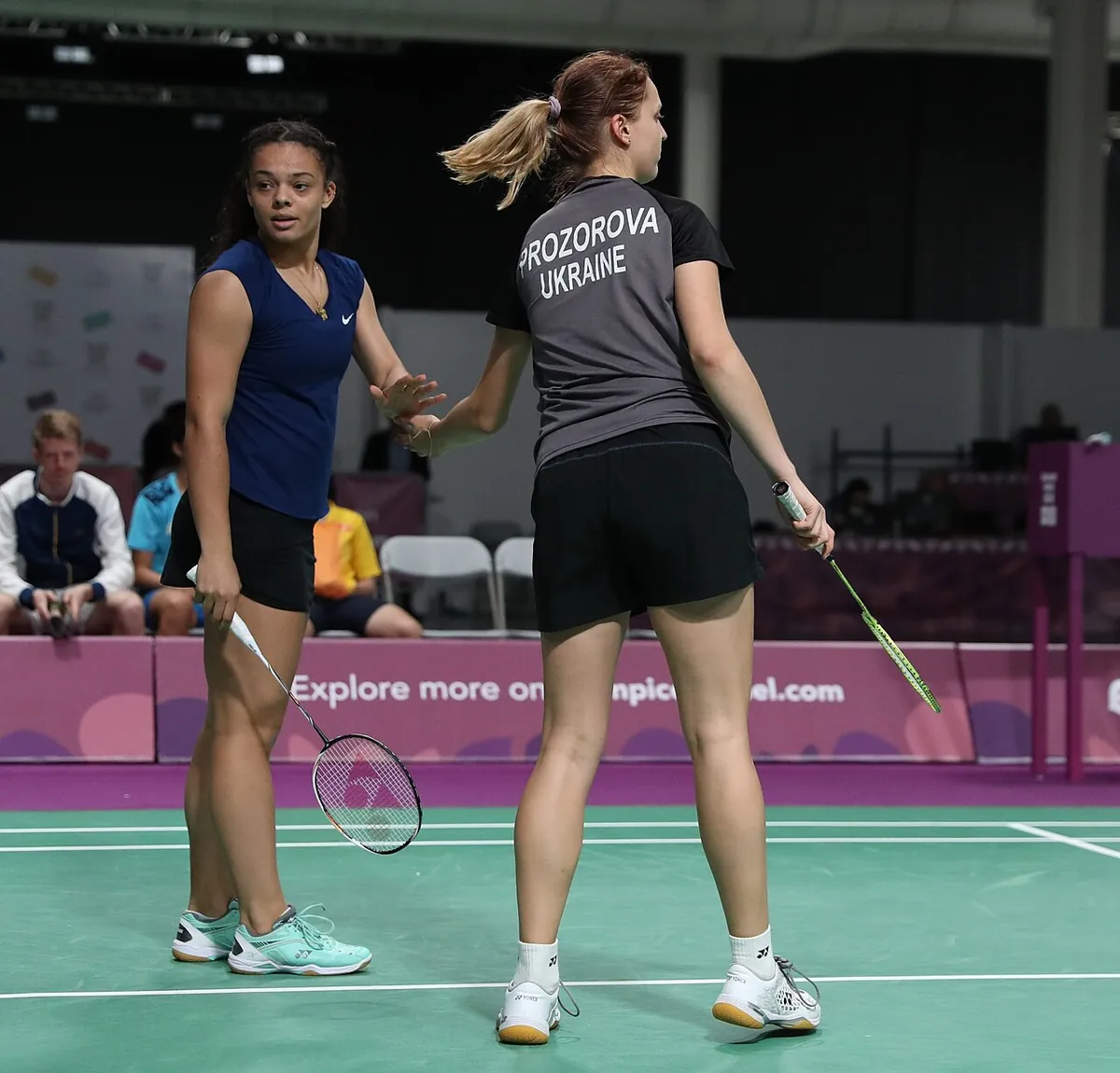
When opponents have a clear downward attack, separating coverage can help manage the width. The middle still requires an agreed responsibility, rather than each defender considering only the space directly ahead. A controlled defensive reply may permit a counterattack, while a desperate recovery usually requires the pair to remain prepared for continued pressure.
Rotate according to the next available task
If one player moves forwards to take a shuttle, the partner must decide whether to cover the rear court or maintain lateral support. The answer depends on the shot and both positions, not a permanent designation of who plays at the front. A long rally makes these repeated reallocations particularly visible.