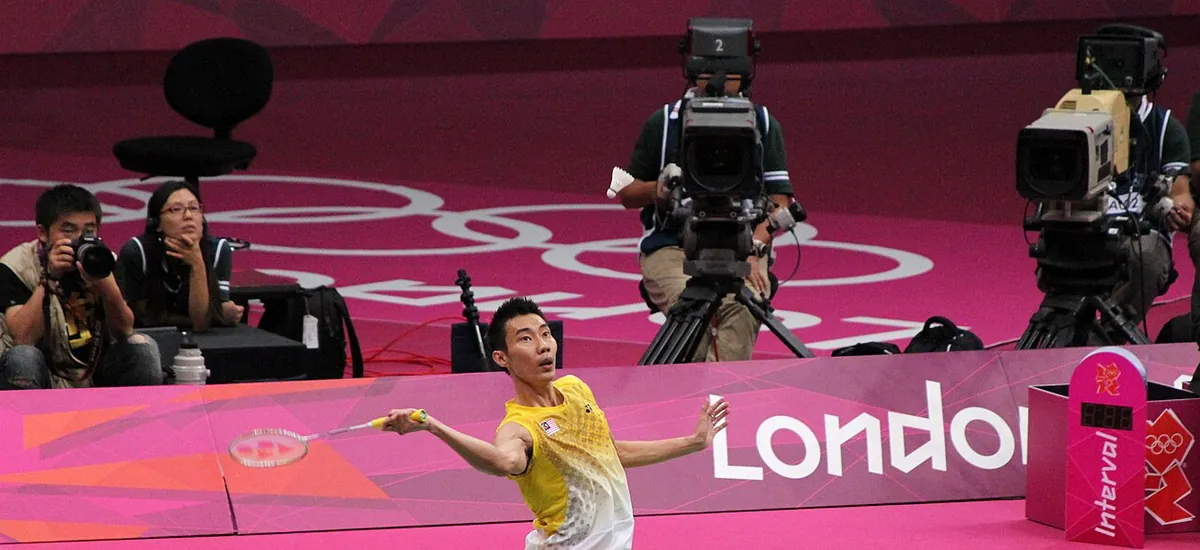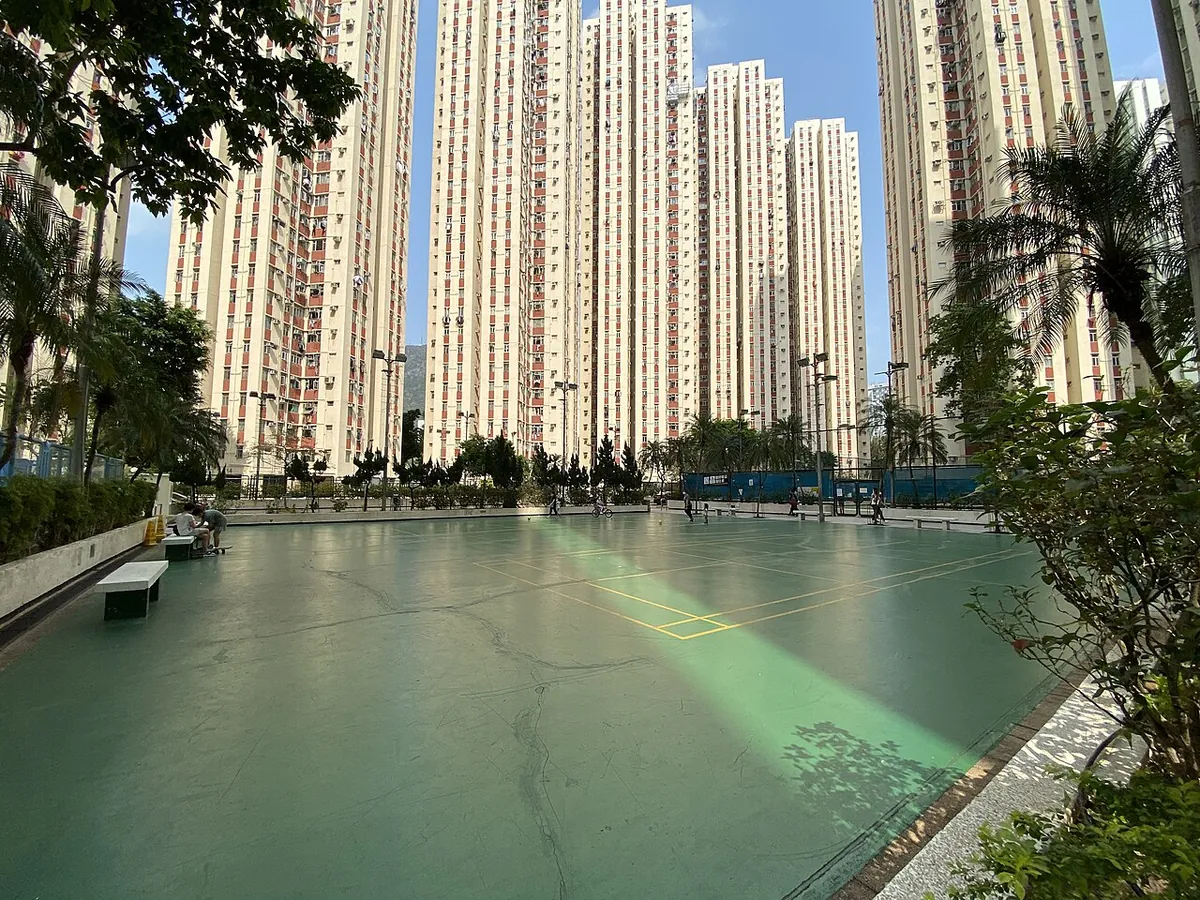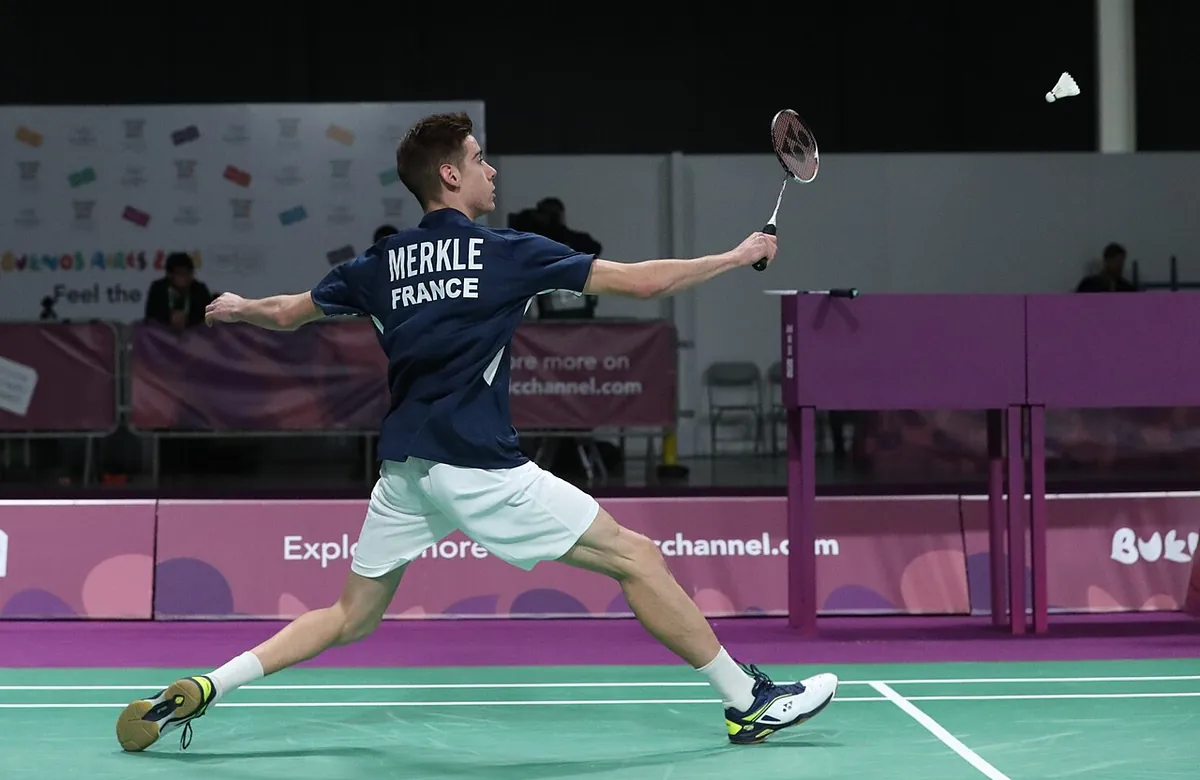
A singles player covers the entire effective court, giving the four corners obvious tactical importance. Simply sending the shuttle to each corner in turn is not enough, however. Speed, height and the opponent's starting position change the effect. The useful question is whether the opponent can still arrive balanced and recover comfortably.
Depth creates time and distance
A deep clear can move the opponent backwards while allowing the hitter to recover. A short clear may instead provide a comfortable attacking contact. Evaluate the landing area together with the opponent's striking position and the hitter's recovery. Height alone does not reveal whether the shot achieved its intended effect.
Net play reverses the direction of movement
A controlled net shot draws the opponent forwards, while a subsequent lift can demand another start towards the rear court. The aim is not merely to increase running distance but to make repeated changes difficult. A loose, high net shot can be attacked immediately, so movement patterns still depend on contact quality.
Recovery is relative to the previous shot
The best base is not always the exact centre of the court. Straight, cross-court and high shots create different likely replies, requiring adjustments in position and body orientation. Watch the first steps after contact to see how a player prepares for the particular options the opponent now has.