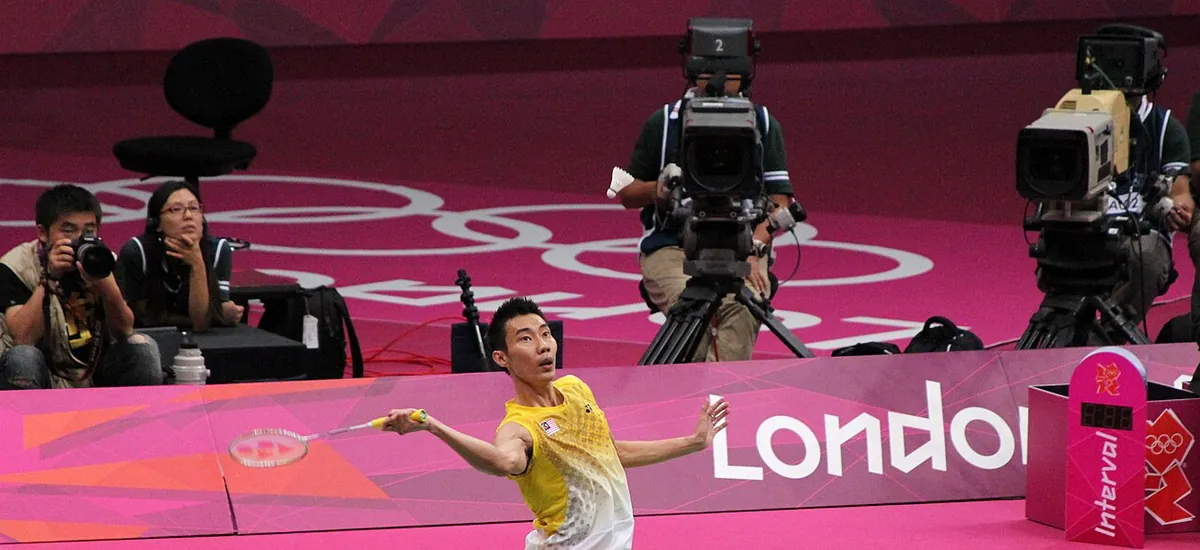
A badminton smash attracts attention through pace, but angle, placement and preparation for the next shot determine its practical value. A defender who anticipates well and directs the reply accurately may reverse the situation. Treat a smash as one stage of an exchange, not an isolated demonstration of power.
Placement creates different defensive problems
A body attack limits swinging room, wider placement tests lateral coverage, and a steeper trajectory can force lower contact. The right choice depends on the defender's position. Repeatedly aiming at an uncomfortable area may sustain pressure more effectively than chasing the boundary at the cost of a higher error risk.
Defending begins with controllable contact
Early racket preparation and a stable face help manage a fast shuttle. A block towards the net can draw the attacker forwards, a deep lift can buy recovery time, and a flat reply may create a counterattack. No single response suits every contact height or balance position.
Follow the attack after landing
An attacker who remains at the back may surrender the initiative against a short return. In doubles, both partners must anticipate which player takes the continuation. Watch the first movement after the attacking stroke: it often shows whether the smash belongs to a coordinated sequence or leaves the hitter unable to exploit its effect.