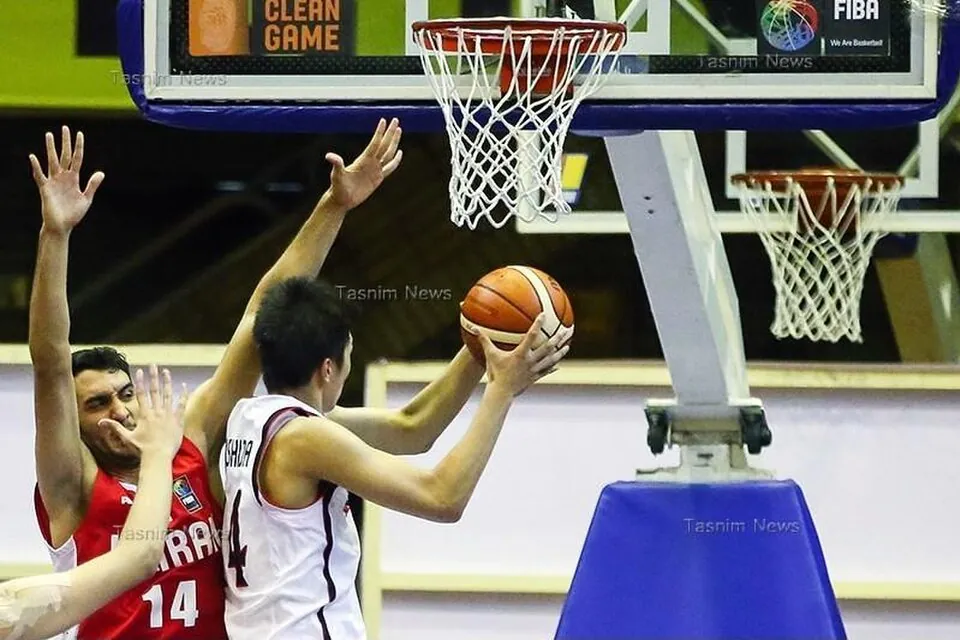
Basketball flows through transitions, but that flow contains a series of possessions shaped by shots, rebounds, turnovers and fouls. This introduction follows the FIBA adult five-on-five framework. The NBA and other competitions differ in some timings, dimensions and interpretations, so a familiar rule from one league should not automatically be transferred to another.
Connect scoring with playing time
A free throw is worth one point, an ordinary field goal two, and a successful attempt from beyond the three-point line three. FIBA regulation play comprises four ten-minute quarters, with overtime when required. The clock stops in specified situations, which is why the time spent watching is longer than the scheduled playing time.
Recognise the offensive time limit
A team normally has twenty-four seconds to complete a qualifying shot attempt and must also meet requirements such as advancing the ball to the frontcourt. Some events reset the shot clock differently. Not every renewed opportunity brings a fresh twenty-four seconds, so watching both clocks helps explain a sudden acceleration.
A shot need not finish the possession
An offensive rebound can extend an attack after a miss; defensive control generally starts the next transition. A foul may lead to free throws or a throw-in. Establish who controls the ball before interpreting the whistle, score or clock, rather than assuming every stoppage completes an entire possession.