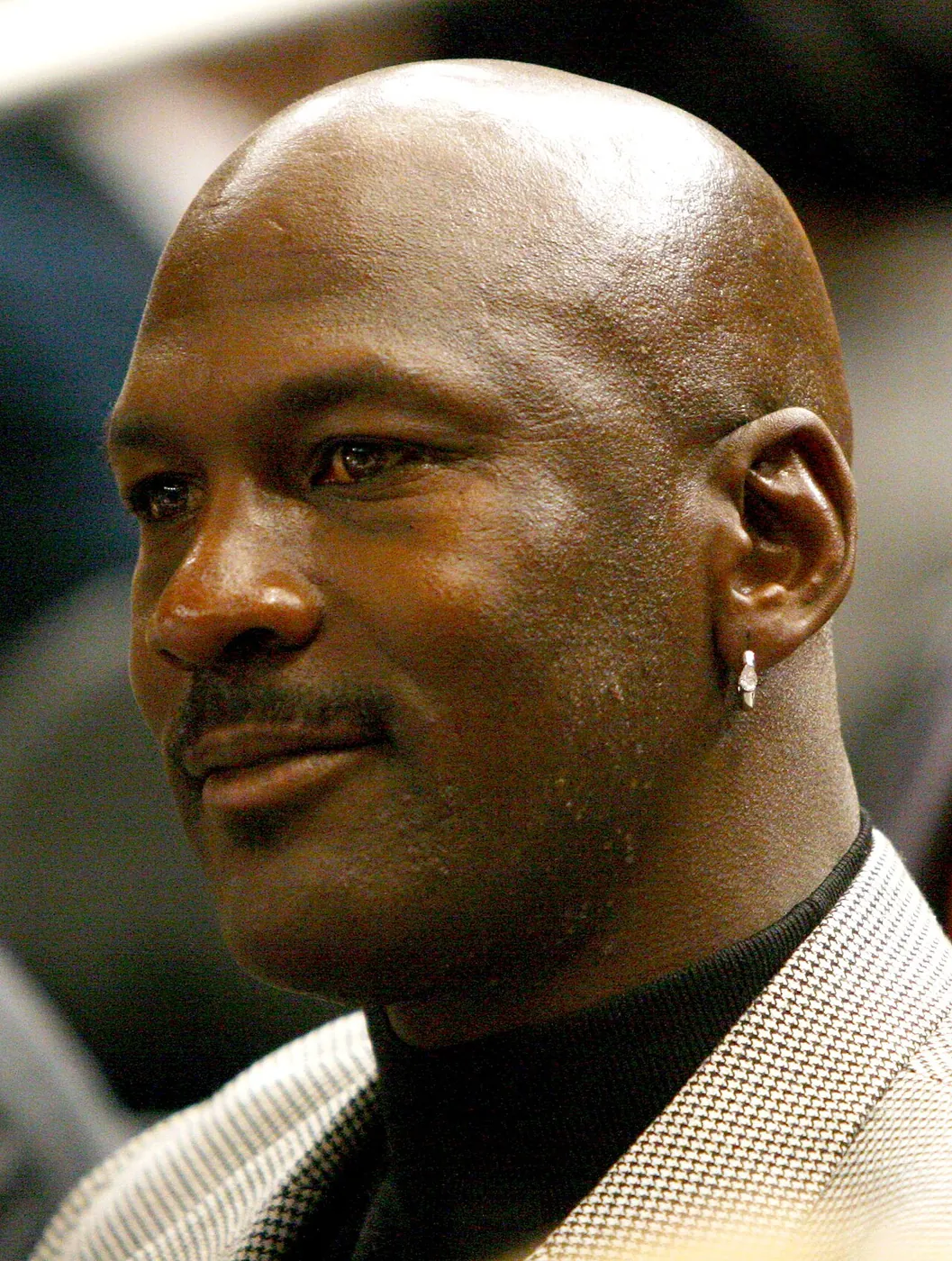
Michael Jordan won six NBA championships with the Chicago Bulls. Dunks and decisive shots dominate many recollections, but full games reveal a broader workload. He needed to create with the ball, find positions without it and contribute to defensive possessions within a team whose members performed different, complementary jobs.
Create the reception before the shot
Young players often copy dribbling sequences while overlooking the movement that makes a useful catch possible. Passing and screening allowed Jordan to begin attacks from favourable positions. Watch how his body orientation and footwork established an advantage before the final move. The spectacular finish was frequently the conclusion of much quieter preparation.
Understand the mid-range decision
A mid-range shot's value depends on defensive coverage, the player's ability and the time remaining in the possession. Jordan's fadeaway increased the difficulty of a contest, but it relied on balance, positioning and the threat of other actions. Copying the backward lean alone does not reproduce the process that created shooting space.
Keep the defensive partnership in view
Chicago's titles also depended on teammates providing organisation, rebounding, perimeter defence and protection near the basket. Jordan's defensive activity belonged within those rotations. Follow a teammate's help movement alongside his own assignment. This gives a more complete explanation of how individual excellence contributed to a collective result.