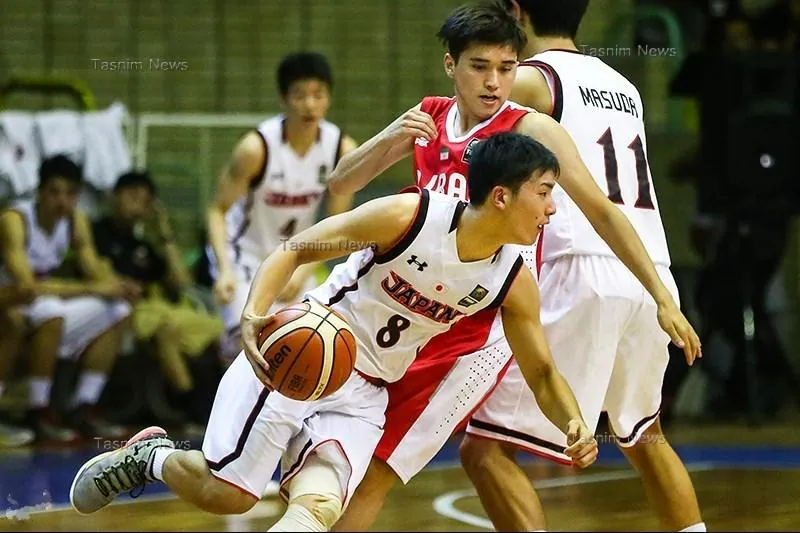
A missed shot creates another contest. The offence may earn a second chance, while the defence has not completed its work until it controls the ball. The rebound total identifies the final collector, but does not record every useful contribution. Begin watching at the release rather than at the moment someone jumps.
Anticipate the likely area
The shot's origin, flight and contact with the rim influence where the ball travels. No player can predict every bounce, but positioning improves the chance of reaching it. The spot closest to the basket is not always best. Longer attempts can produce rebounds that require meaningful participation from perimeter players.
See the contribution of a box-out
A defender can use legal body position to prevent an opponent reaching the ball, allowing a teammate to collect it. That work may not appear in the individual's rebound column. Identify who locates the opponent, who protects the area near the basket and who pursues the longer bounce before evaluating the team's performance.
Balance pursuit with transition defence
Attacking the offensive glass can extend possession, but committing players forward creates potential counterattack space. Teams distribute responsibilities according to their personnel, the shot location and the game situation. Failing to collect one rebound does not automatically reveal a flawed plan; the important question is whether the intended coverage was executed.