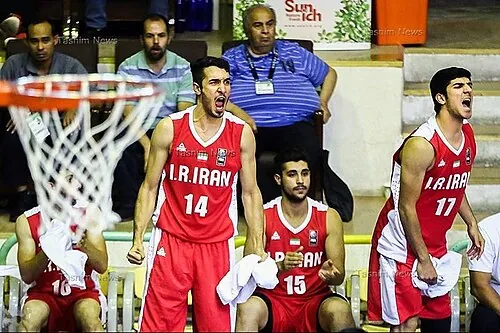
Basketball changes direction quickly, but transition still has structure. The attacking team must recognise whether a numerical or positional advantage exists; the defence must protect dangerous areas before all matchups are restored. Begin with the ball's location, then count players near the basket and look for wide supporting options.
The first pass sets the direction
After a defensive rebound, moving the ball to a well-positioned teammate may advance it faster than one player dribbling alone. The route must be safe, and the receiver needs to know whether to continue or wait for support. The first scan and first movement can therefore shape the entire break.
Separate the running lanes
Several attackers using the same route can make the defence's job easier. Width on the sides and pressure through the middle create clearer passing alternatives. If the original advantage disappears, flowing into a half-court possession may be more effective than forcing a difficult finish merely because the attack began at speed.
Reduce the largest defensive danger first
Defenders generally need to protect the basket while rebuilding coverage, but shooters and the ballhandler's position affect the decision. The first player back can organise teammates so they do not all follow the same opponent. Review the first few seconds of a conceded break, not just the final unsuccessful challenge.