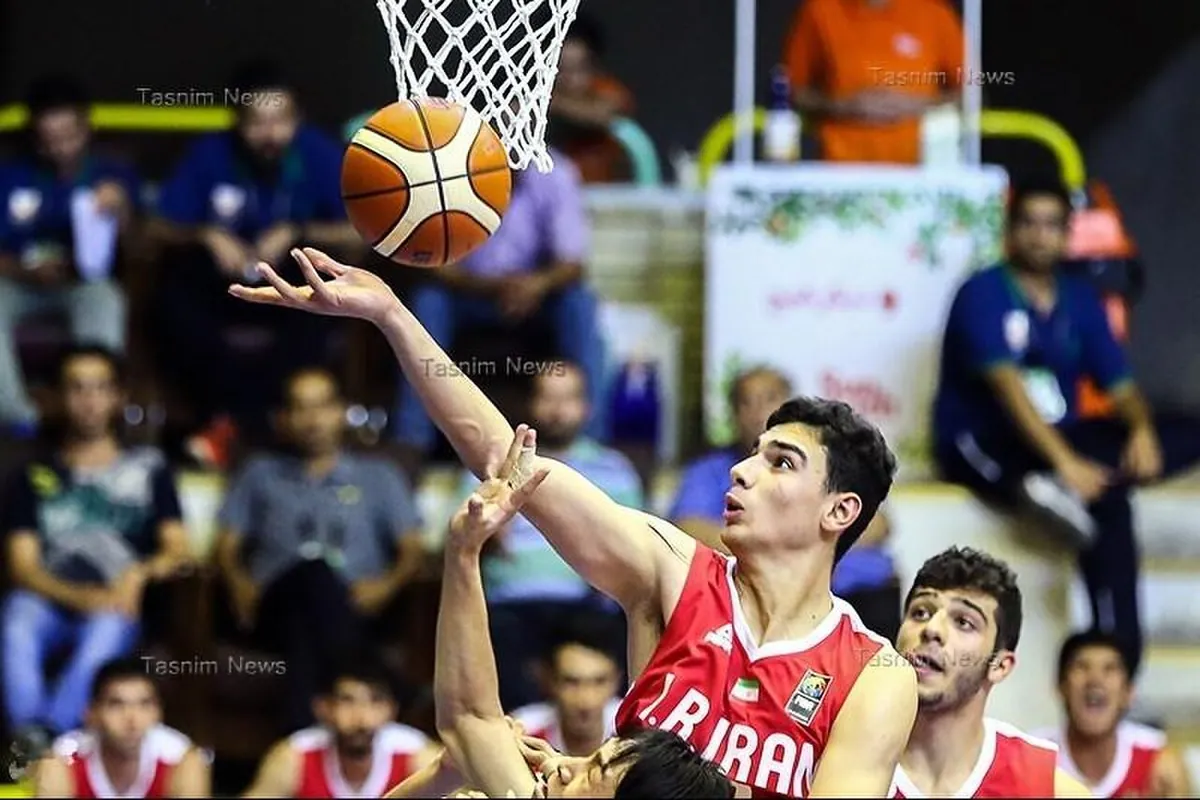
Zone defence begins with an allocation of space, but live basketball constantly changes what that allocation requires. Defenders adjust to the ball and take responsibility for attackers entering their areas. Teams can mix zone and man-to-man principles, so the best starting point is how the whole defence moves rather than its numerical label.
Shift with the pass without following blindly
When the ball moves to a wing, the nearest defender closes out while teammates protect central and baseline areas. Everyone chasing the ball leaves the far side exposed; nobody moving allows comfortable shooting. Effective coverage balances pressure on the current ballhandler with protection against the next pass and possible drive.
Communicate when cutters cross boundaries
A cutter moving from one area into another requires a clear handover. High-post and baseline receivers can stretch the defence's attention in several directions. Watch head movements and communication to distinguish a physical reaction problem from a responsibility that was never clearly transferred between two defenders.
Finish the possession on the glass
Once a shot goes up, defenders must still locate nearby opponents and secure position. Attackers may exploit gaps to approach the rebound, making this identification especially important. Evaluate the zone through both the quality of shots conceded and the resulting rebounds, rather than drawing a broad conclusion from one made perimeter attempt.