One-day classics have a character distinct from multi-stage racing. Lost time cannot be recovered in tomorrow's stage, and a climb, cobbled sector or narrow road can become the decisive point of the entire event. Understanding these races begins by separating historical prestige, route characteristics and the tactical decisions made on the day.
Five famous races
Milan–San Remo, the Tour of Flanders, Paris–Roubaix, Liège–Bastogne–Liège and Il Lombardia are commonly known as the five Monuments. They have different histories and terrain, rather than sharing a single course template. When discussing a victory, naming the race and year is more informative than treating every classic as an equivalent challenge.
Terrain selects different strengths
Cobbled races place particular demands on handling, position and sustained effort. Hilly classics often require acceleration after repeated climbing. Suitability for one course does not guarantee equal competitiveness across all five. In a route preview, locate the last major difficulty and measure its tactical relationship with the finish.
Cooperation contains a conflict
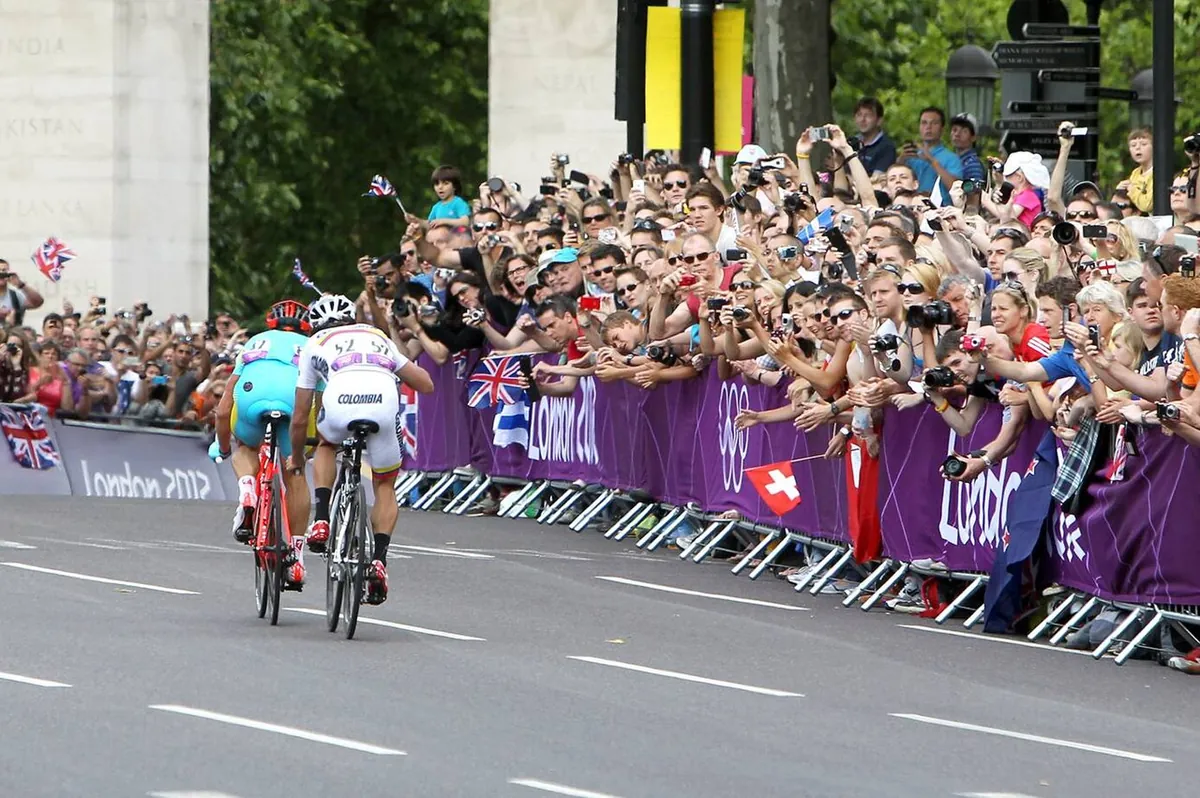
An early attack can avoid a large sprint, but it requires more time in the wind. Waiting may preserve energy yet leave the rider facing a faster finisher. Breakaway companions therefore need one another to stay clear while saving something for their own contest. The final kilometres often reveal how that uneasy partnership breaks down.