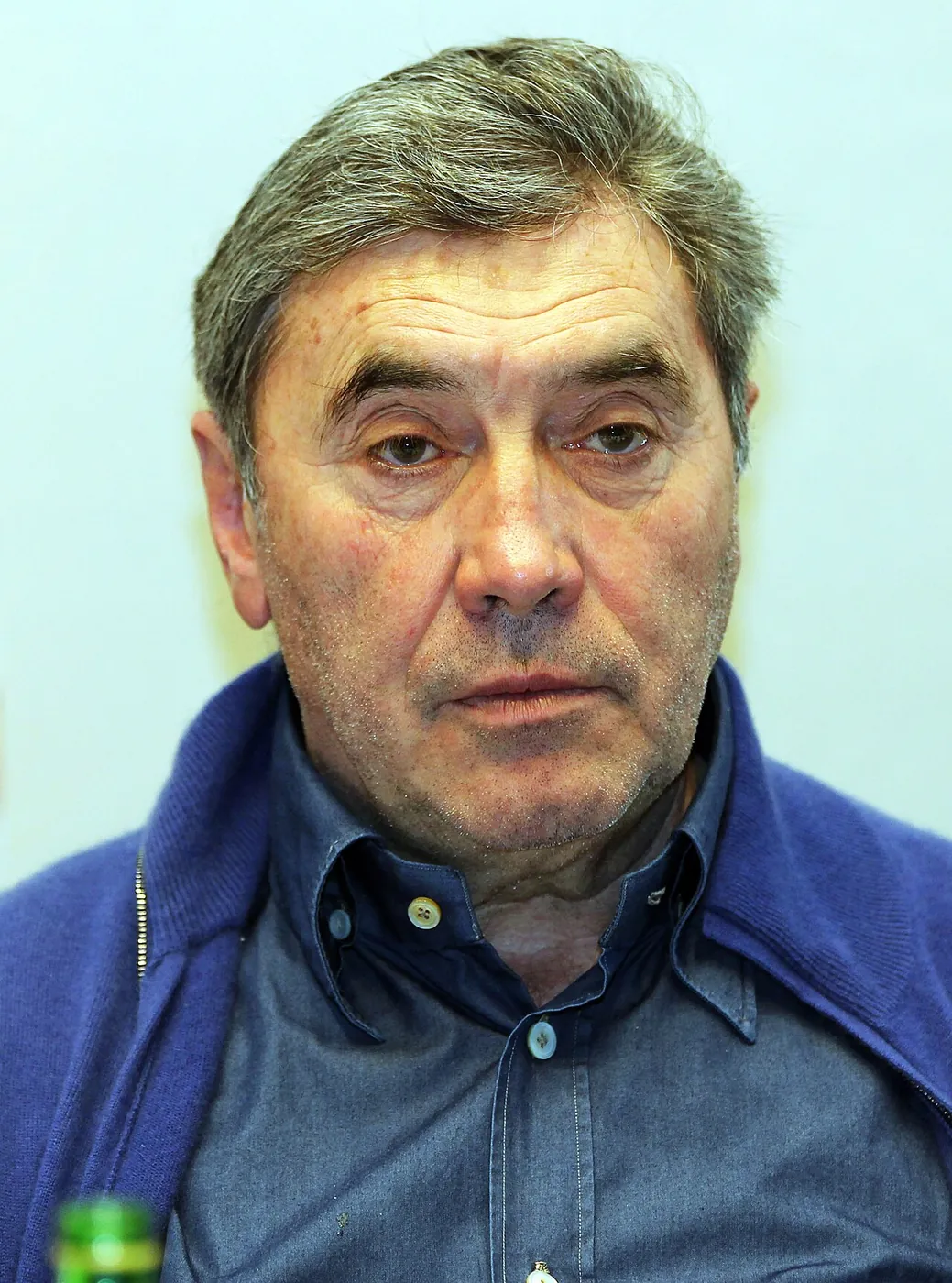
Belgian cyclist Eddy Merckx is a defining figure in road racing history. His achievements extended across stage races, one-day classics and timed challenges. To understand that range, start with the different demands of each format: recovering through successive mountain stages is a different task from settling an entire race in a single afternoon.
Success across formats
Merckx won the Tour de France five times and also won the overall titles at the Giro d'Italia and Vuelta a España. Grand Tours reward performance accumulated over several weeks. Classics decide everything in one day. Success in both requires a broad combination of endurance, terrain awareness, recovery and well-timed attacks.
An individual within a team
Even a rider who can climb, time trial and sprint depends on teammates. Others control the bunch, deliver supplies and protect their leader's position before difficult sections. Watching Merckx's era through that team structure gives a fuller picture than treating every attack as an entirely individual contest against the road.
Reading historical footage
First identify whether the footage shows a classic or a stage race. Then notice the terrain at the moment of attack and the response behind. Equipment, communications and racing conditions have changed, so average speed alone is a poor basis for comparisons across generations. The more revealing questions concern versatility and tactical influence.