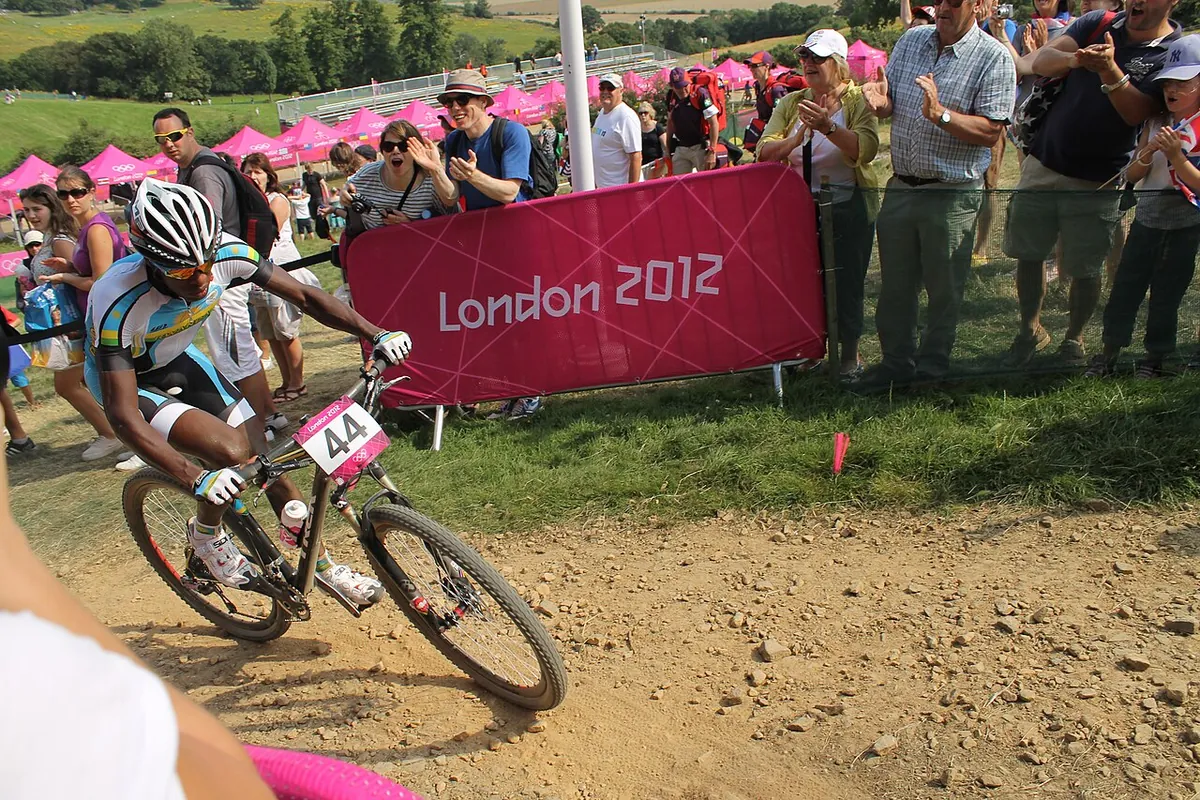
Cross-country mountain biking combines climbing ability, handling and route judgement on the same course. Narrow passages, rocks, roots and changing traction affect speed more directly than on a typical road stage. This guide focuses on the lap-based racing associated with Olympic cross-country, rather than treating downhill or endurance formats as if they use identical rules.
Distance does not describe difficulty
A steep climb, loose surface and sequence of corners place different demands on the same length of course. Riders anticipate gearing and weight distribution to preserve traction. Descending is not simply a matter of releasing the brakes: the entry and exit of one turn determine how effectively the next section can be approached.
Passing windows are limited
Narrow technical sections can make overtaking difficult. A rider may spend extra energy on a wide climb specifically to enter the following descent first. Identify places where two bicycles can run alongside one another, then watch whether attacks are prepared before those opportunities rather than occurring randomly throughout the lap.
Equipment supports judgement
Tyres, suspension and brakes influence control, but none replaces a suitable line. Arms and legs help absorb impacts so the wheels maintain useful contact with the ground. When a rider makes a mistake, consider the surface, traffic and chosen speed together; a fall does not provide a complete explanation of the rider's handling ability.