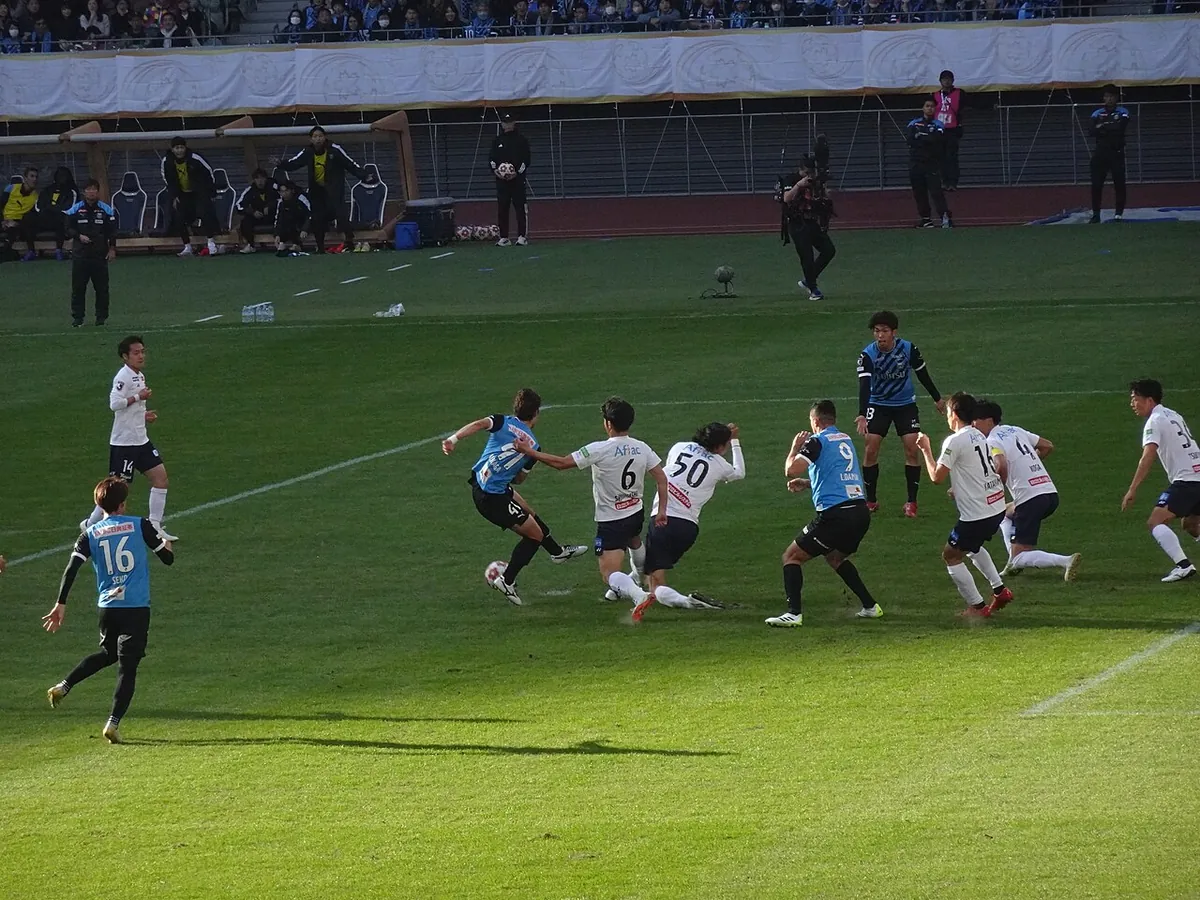
Statistics can organise a football match without fully explaining it. A team may keep the ball yet struggle to reach dangerous positions, while another creates fewer but clearer chances. Begin by asking what an indicator measures, what it leaves out and which specific question about the match it can help investigate.
Possession is not the same as threat
Possession share describes control of the ball, not the quality or speed of progression. A leading team might willingly concede possession, while a trailing side circulates harmlessly at the back. Combine the figure with receiving locations and the opponent's defensive approach before deciding whether possession represents control or frustration.
Separate shot volume from shot conditions
A pressured effort from distance differs from an unopposed attempt near goal. Expected-goals models estimate chance quality using factors such as shot location, but providers may use different methods. The estimate describes probability, not an instruction that a particular chance must be scored, and it does not invalidate the actual result.
Use numbers to investigate a question
Start with something concrete, such as why a team struggled to enter the penalty area, then examine progression, passing and shot locations. Avoid selecting only the statistic that supports a conclusion already reached. Consistent definitions and an explicit sample make data a useful analytical tool rather than a decorative justification.