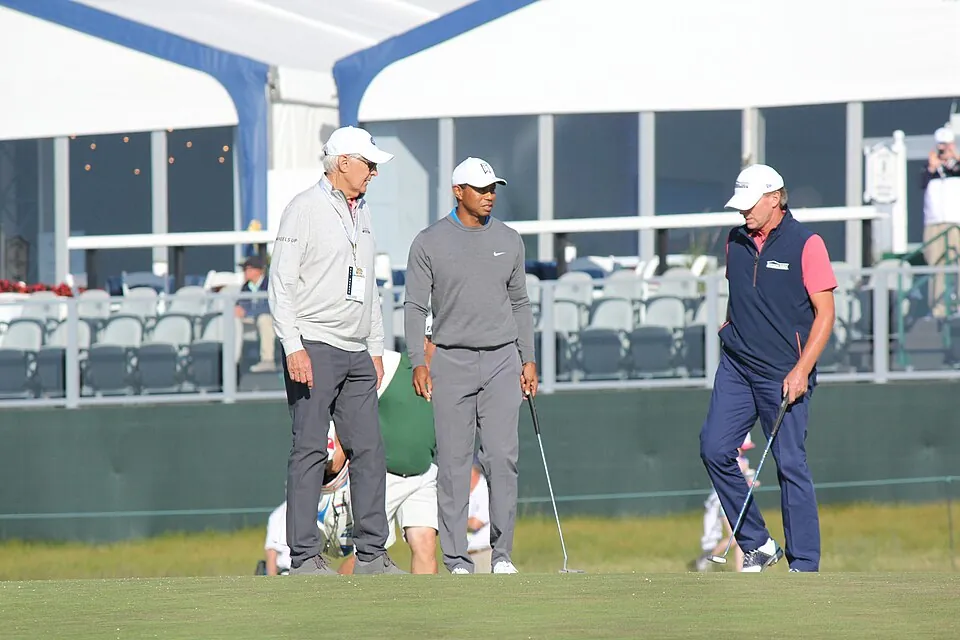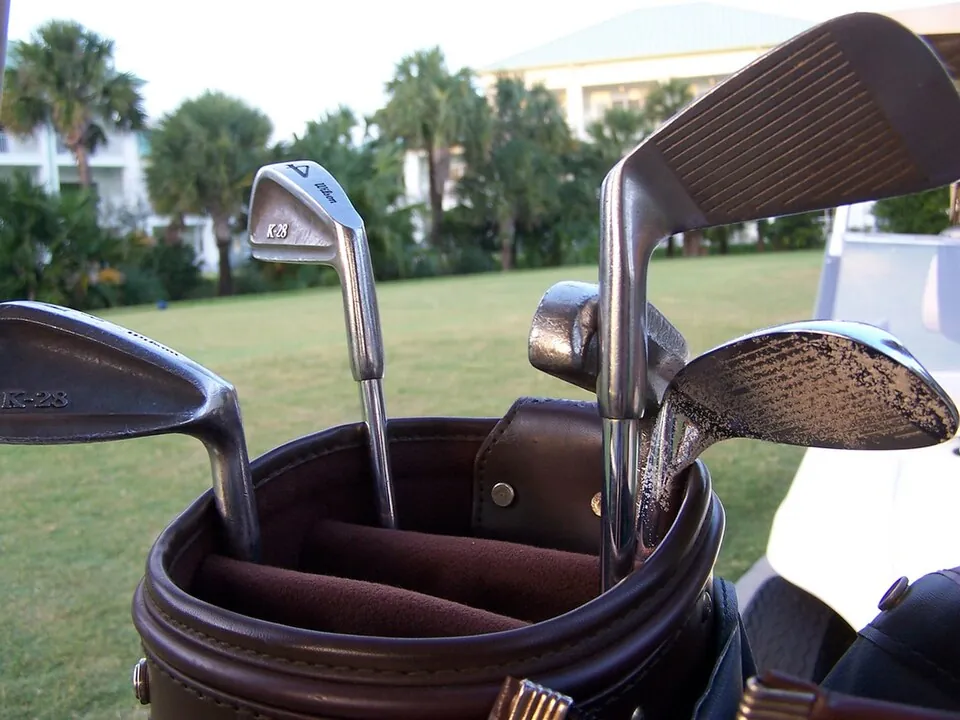
Golfers use different clubs for tee shots, approaches, short-game situations and putting. Remaining distance is an important input, but wind, lie, terrain and the desired trajectory also influence selection. First identify what the player needs the stroke to accomplish, then consider why the chosen club is suited to that task.
Tee shots need a manageable target
A longer club may generate more distance while also widening the possible miss. If the fairway narrows or trouble occupies the intended landing zone, a shorter option can leave a more controllable next shot. That choice can be a positive plan for the hole rather than a lack of attacking ambition.
Approaches must account for stopping
The same distance can be covered with different trajectories, producing different behaviour after landing. Space around the flag, wind and the firmness of the green all affect the decision. Look at the target area alongside the club to identify whether the priority is proximity or safely holding the putting surface.
Short clubs solve different local problems
Being close to the green does not eliminate complexity. Rough, slopes or an obstacle may require different proportions of flight and roll. Watch the intended landing point and the subsequent movement of the ball. Height alone does not reveal whether a short-game shot is well chosen or effectively executed.