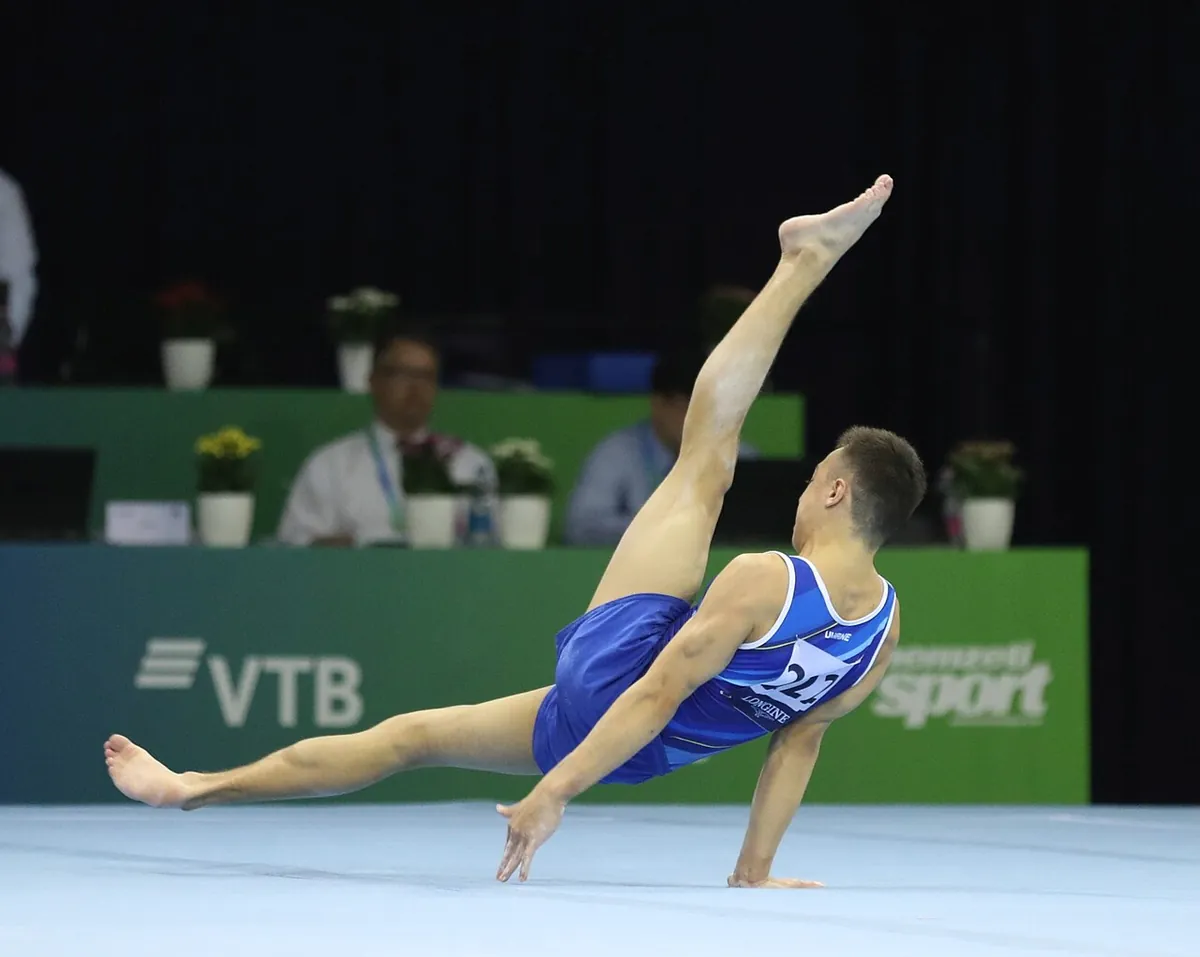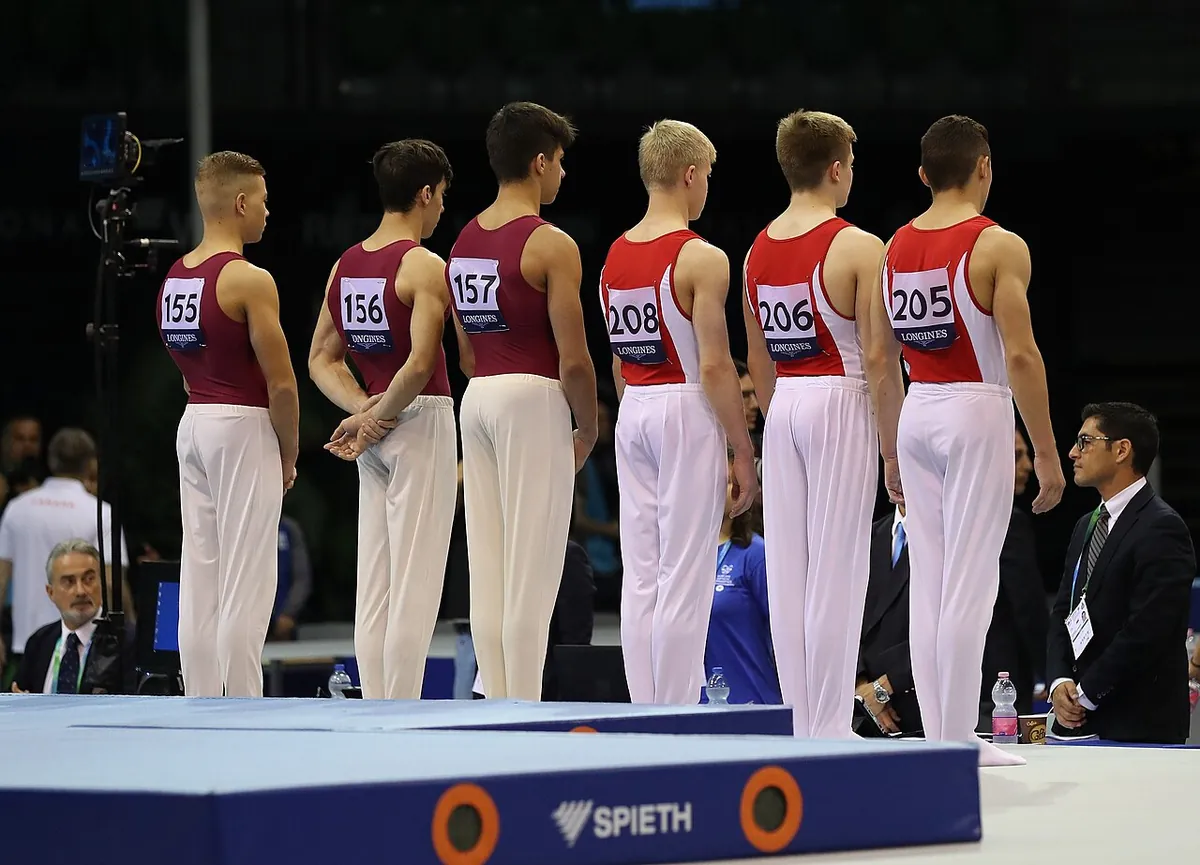
Major artistic-gymnastics competitions commonly include team, individual all-around and apparatus events, with qualification establishing access to later stages. Entry limits, counting scores and advancement rules depend on the event regulations. Identify the current stage before assuming that an impressive routine has already secured the corresponding title.
Versatility and specialism
The individual all-around adds one gymnast's scores across the relevant apparatus. An apparatus final focuses on a single discipline. An all-around athlete may rely on consistency to offset a less difficult event, while a specialist concentrates on a higher competitive ceiling in one area. Neither aim makes one format a substitute for the other.
How a routine serves the team
Team scores combine selected performances according to the specific format. The number who compete, the number whose scores count and any opportunity to discard a lower score matter greatly. Where every routine counts, one error can have a larger team consequence. The result belongs to the combined performances, not automatically to the final gymnast shown on screen.
Check which result sheet applies
A routine can help qualify an athlete, build an individual total or contribute a counting team score. Its role changes with the stage even when the apparatus remains familiar. Follow the appropriate score sheet and advancement rules. A strong apparatus result should not be mistaken for proof that an all-around or team championship has already been decided.