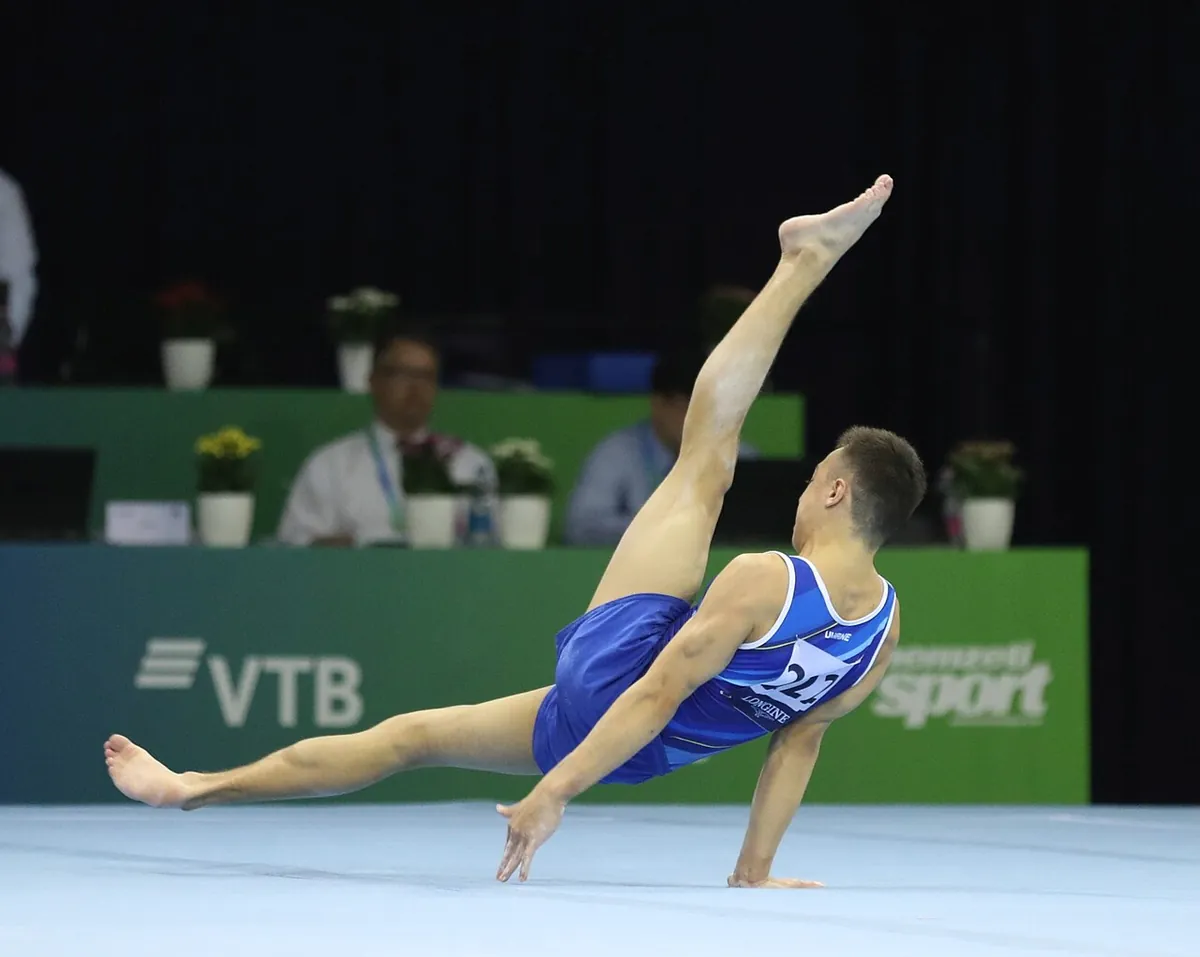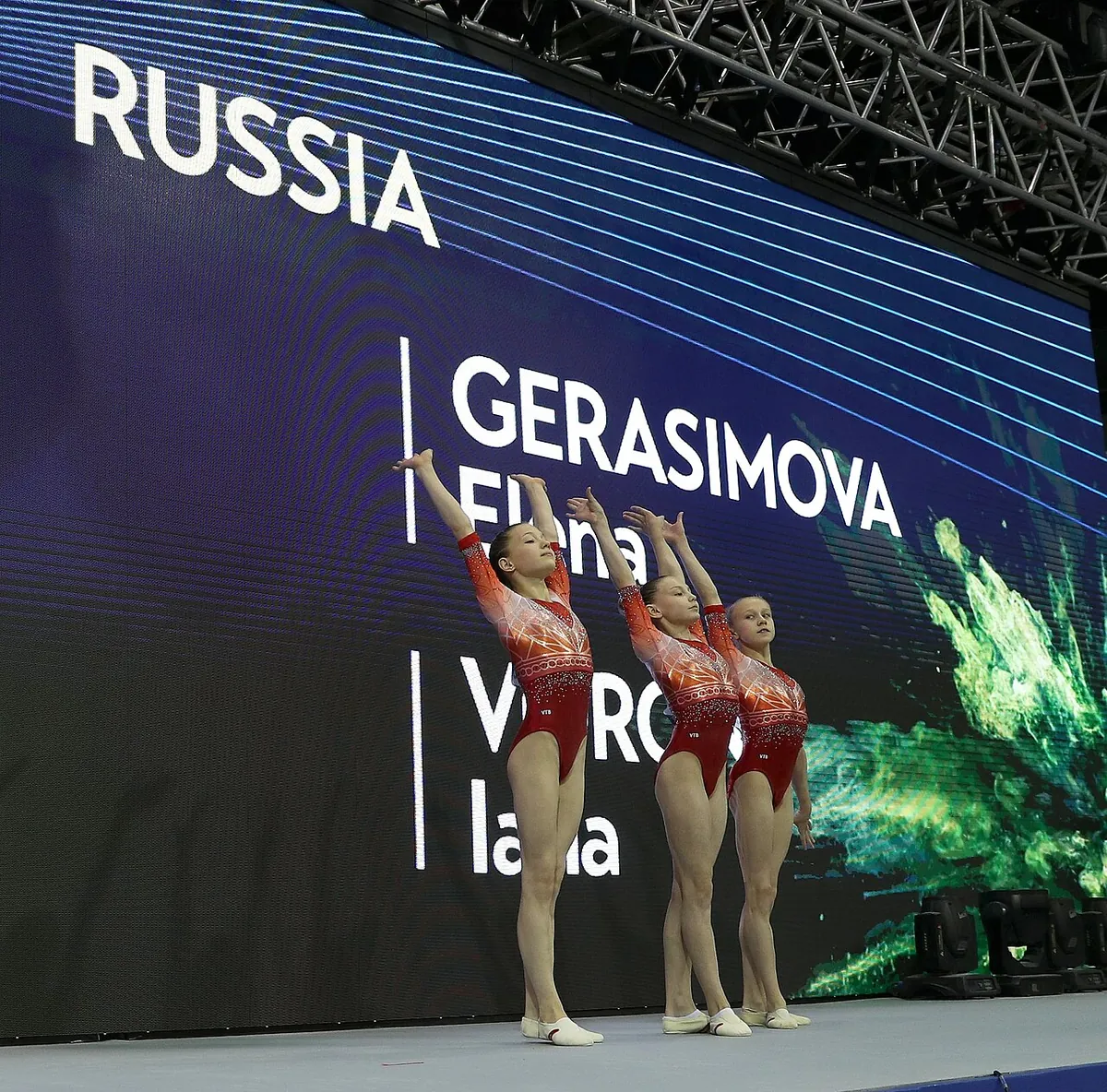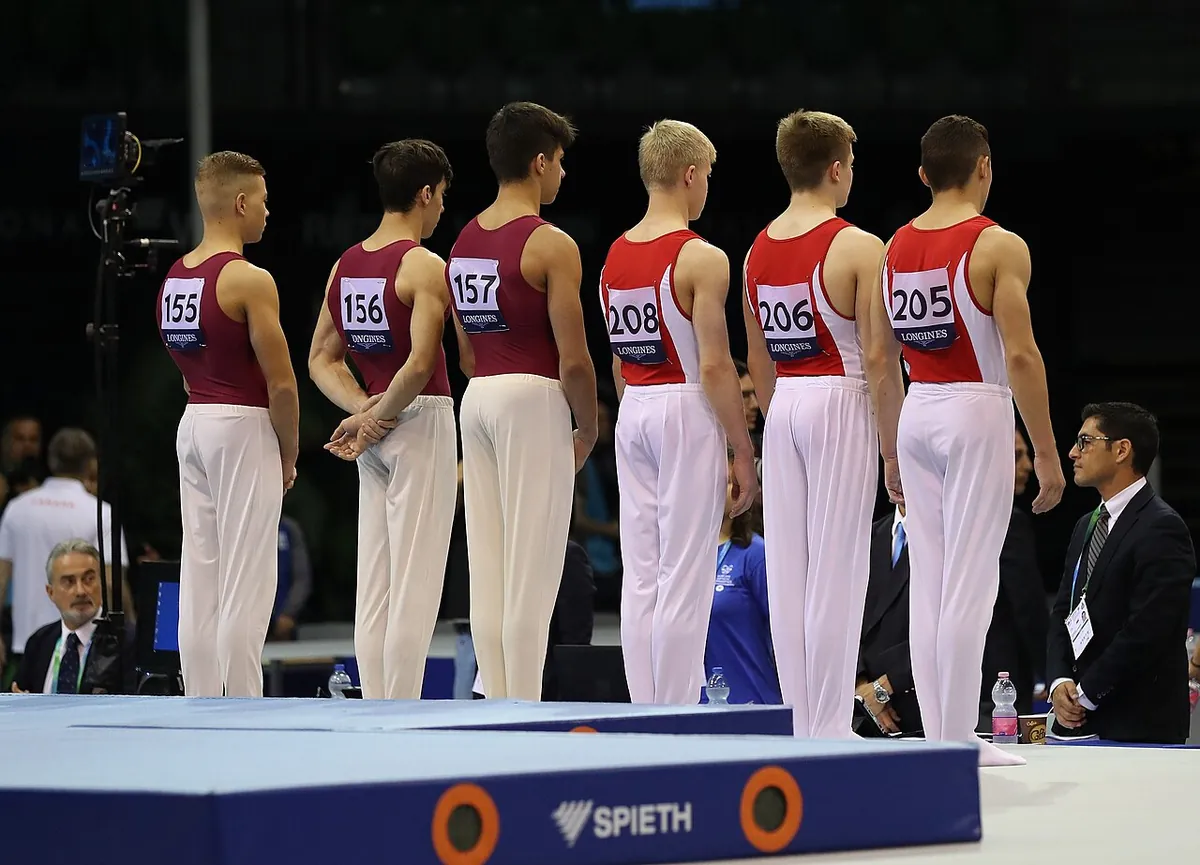
This article concerns artistic gymnastics under the relevant World Gymnastics men's or women's Code of Points. A score generally combines difficulty and execution, with applicable deductions. Rhythmic gymnastics, trampoline and other disciplines have separate systems, so artistic-gymnastics explanations should not be transferred to every event bearing the gymnastics name.
Two components answer different questions
Difficulty considers recognised elements, composition requirements and eligible connections. Execution examines technical quality, body position and errors. More elements or visually complicated tumbling do not guarantee that everything counts towards difficulty. Reading both components reveals whether an athlete relied on a higher starting potential or a cleaner performance to remain competitive.
An error can affect more than appearance
A fall, large landing step or body-position fault can reduce execution. An element that fails recognition requirements may also affect difficulty. Boundary or time infringements have their own consequences. The total shown on television cannot explain all these changes; the detailed score and complete routine provide a better basis than applause or perceived danger.
Compare structures before totals
Two similar totals may come from different combinations of difficulty and execution. Identify each component, then return to the footage to understand the relevant performance. Codes change over time, potentially altering element values and composition demands. Comparisons across competitions should therefore establish apparatus, scoring system and rule period before treating the numbers as directly equivalent.