A controlled landing often produces the loudest response in a gymnastics arena. It makes the outcome of flight immediately visible. However, the artistic-gymnastics score also reflects body position, airborne execution, connections and composition requirements. Finishing without a step is one useful clue rather than a complete assessment.
The transition from flight to ground
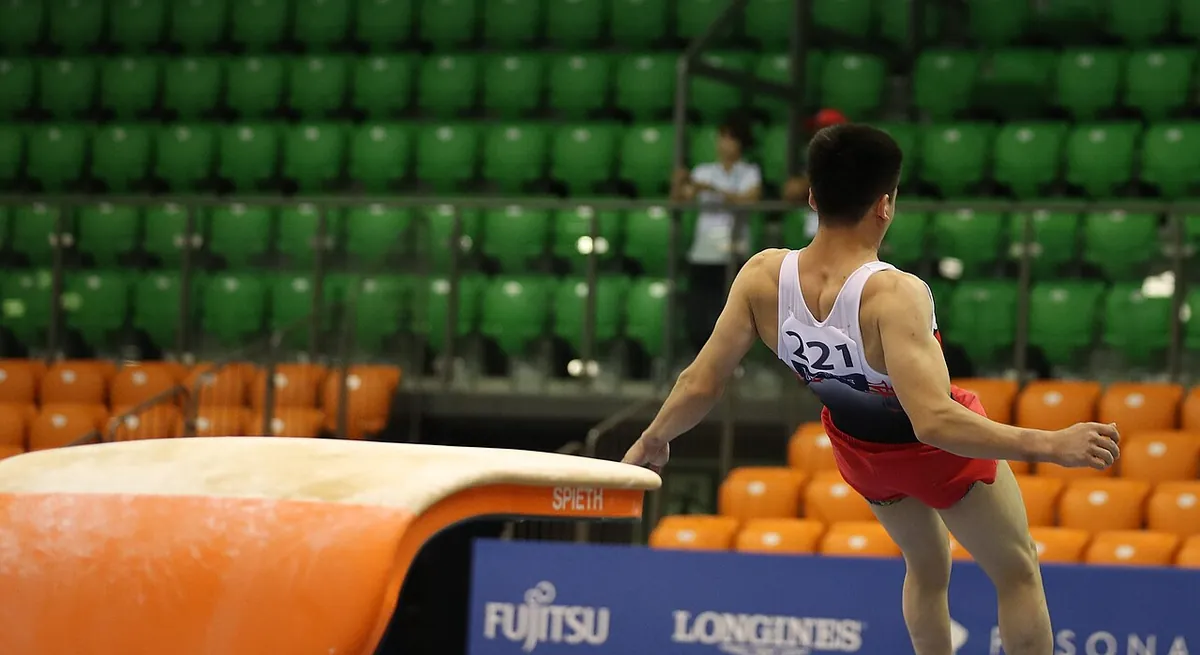
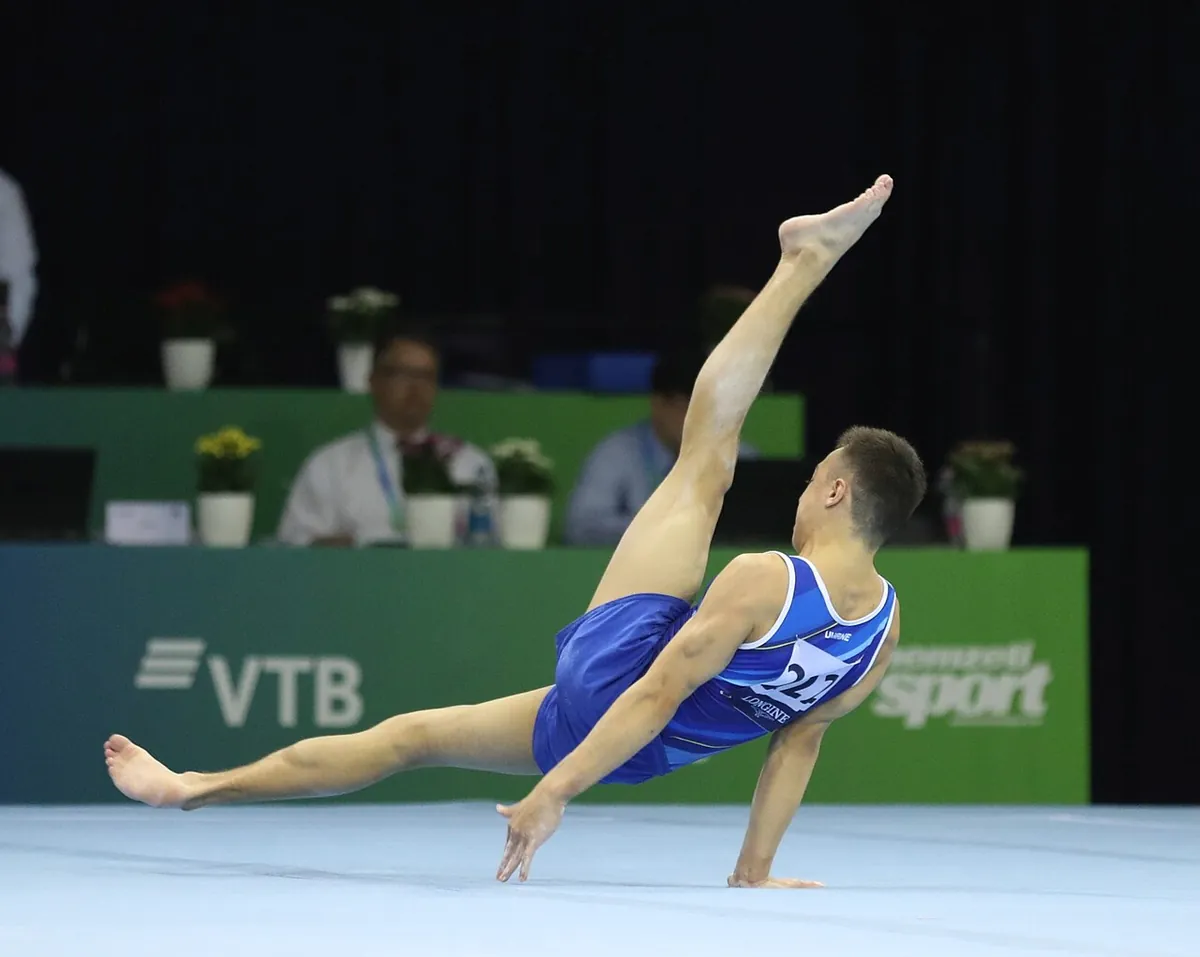
The gymnast must complete the intended rotation and prepare an appropriate position for contact. A small step, a large step, a deep squat and hand support are different outcomes with different implications. In slow motion, look at the body axis and completion of turning before impact, instead of watching only whether the feet move afterwards.
Why the score can surprise viewers
A routine with a stable landing may still contain execution or composition problems. A more difficult routine with a small landing adjustment can remain ahead overall. Read difficulty and execution alongside any separate deductions. Audience excitement and the technical scoring framework describe different things, so one cannot reliably replace the other.
Rewind before judging the finish
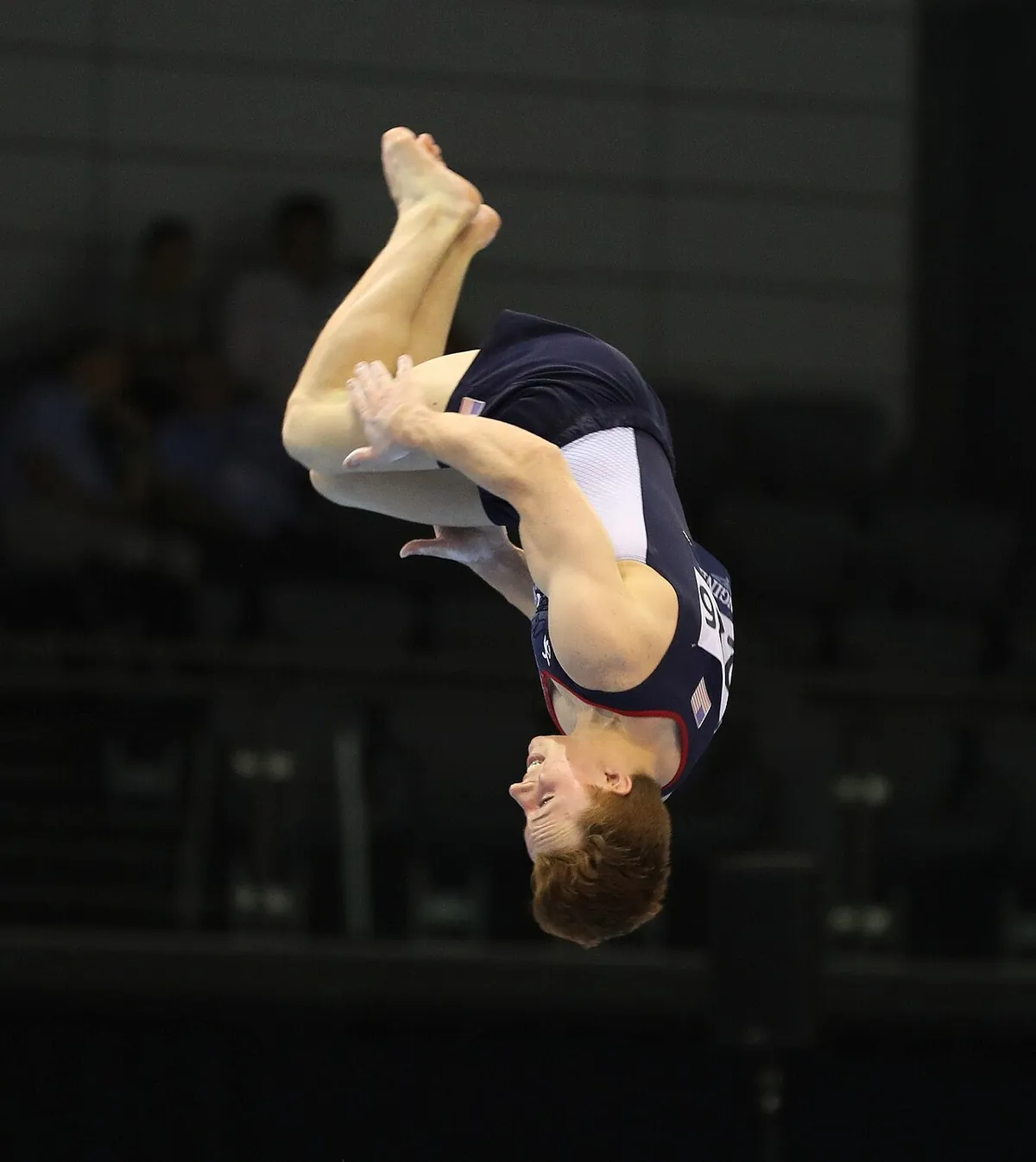
The landing begins to take shape earlier through body position, opening timing and directional control. Rewind several seconds to see how the gymnast prepares to meet the floor. A rigid-looking impact is not automatically a better result. The useful question is how the complete airborne action was brought under control within the event's requirements.