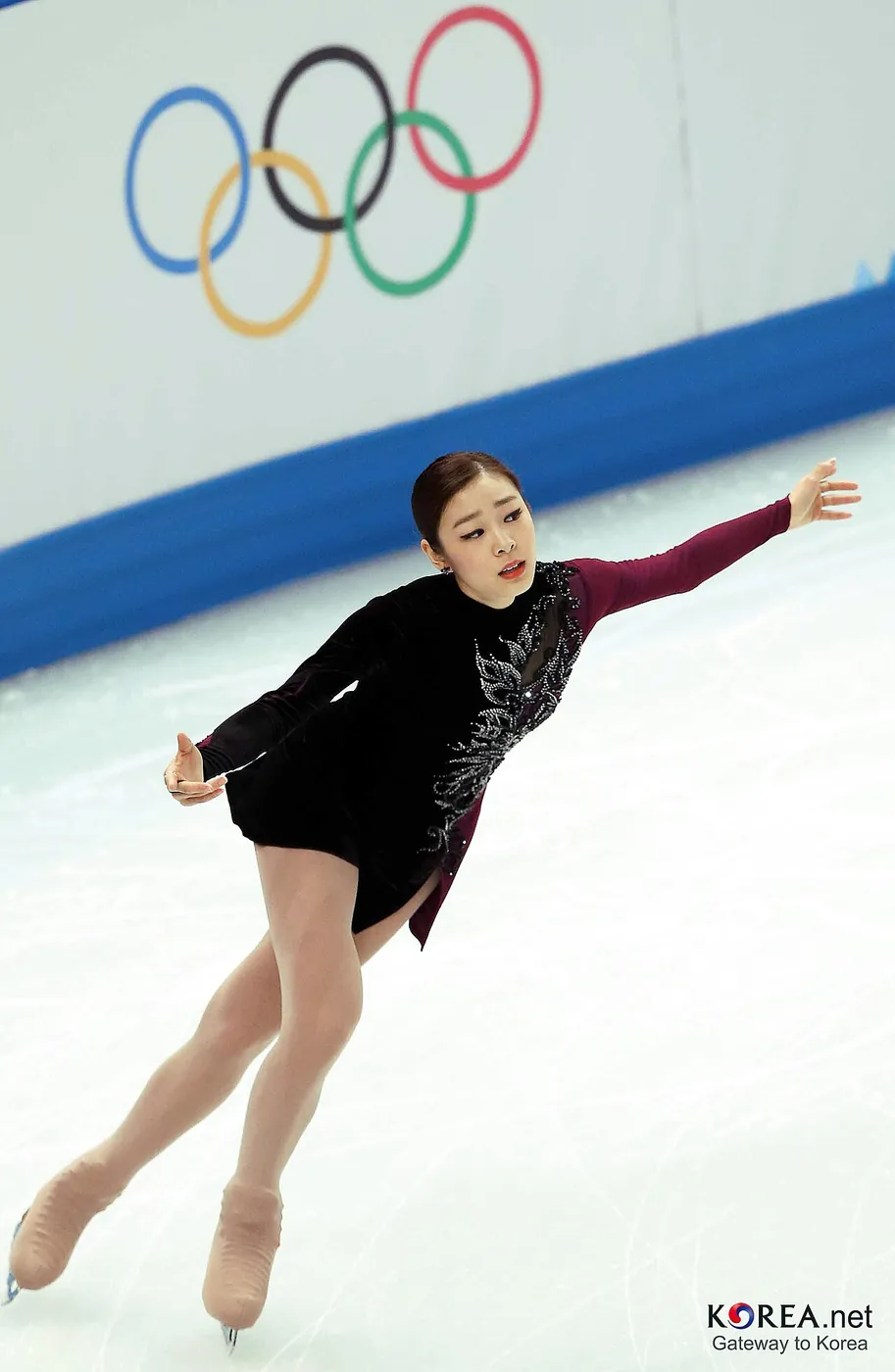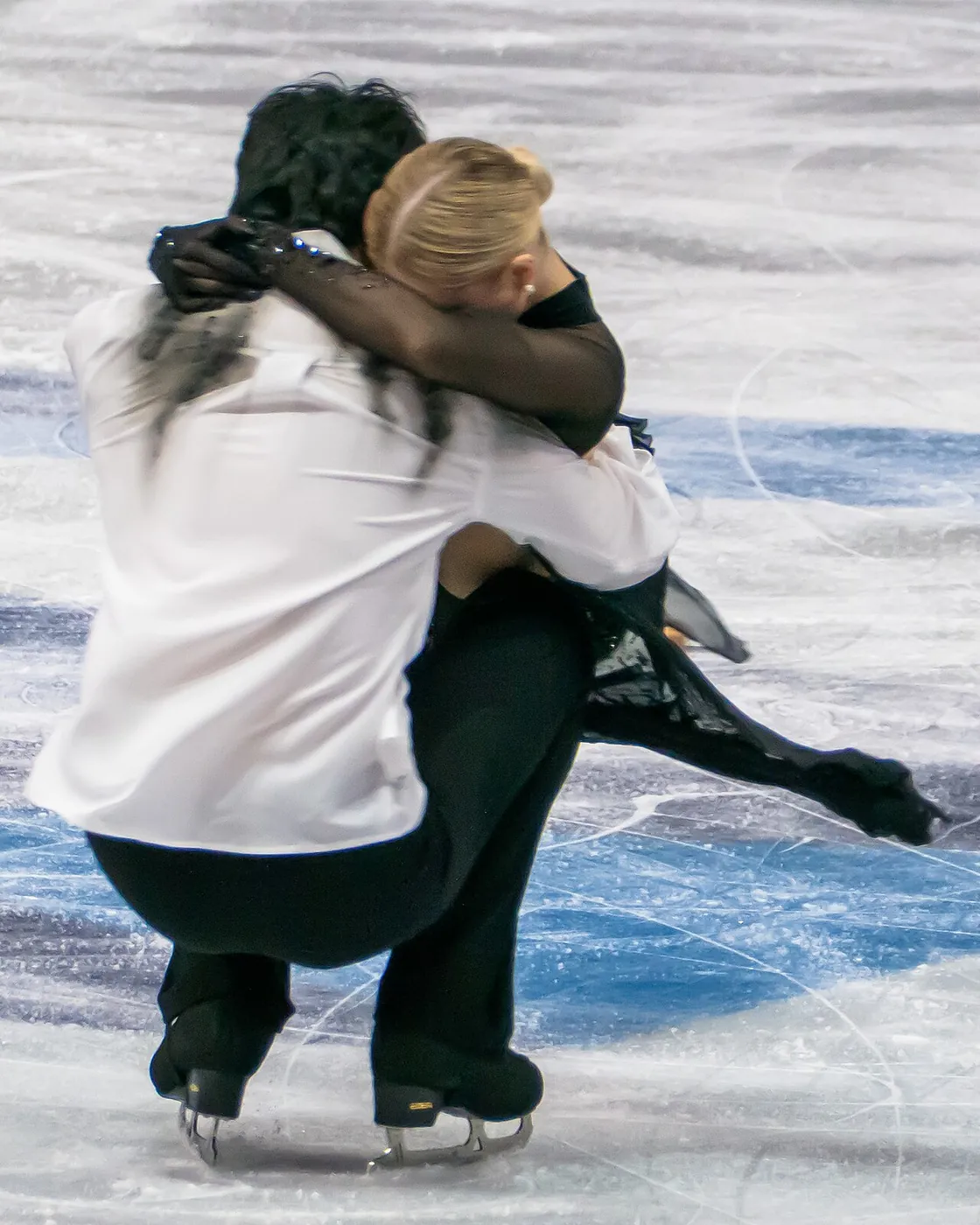
Katarina Witt is one of figure skating's influential historical personalities. Competitive achievements and a memorable sense of character both contributed to her public image. Revisiting her programmes offers an introduction to the history of women's singles and to the ways in which judging systems and performance styles change. The work is most revealing when viewed within its own era.
Olympic victories
Witt won women's singles gold at Sarajevo 1984 and Calgary 1988, representing East Germany. Retaining that historical team name is more accurate than automatically applying a present-day national label. It also helps readers place the achievements within the sporting organisation and international context of the period.
Music becomes a character
Her Carmen programme at Calgary is one of her best-known performances. Look at how posture, pauses and the direction of movement support the character, rather than watching only for difficult jumps. Presentation is not an addition separate from technique: secure skating and physical control provide the means through which a role can be expressed.
Understand the judging era
Witt competed under a judging system different from the modern international system, with different programme requirements and technical trends. Comparisons across generations are more useful when they discuss style, influence and the relevant rules. Applying today's value table directly to a historical programme would remove the competitive conditions that shaped its construction.