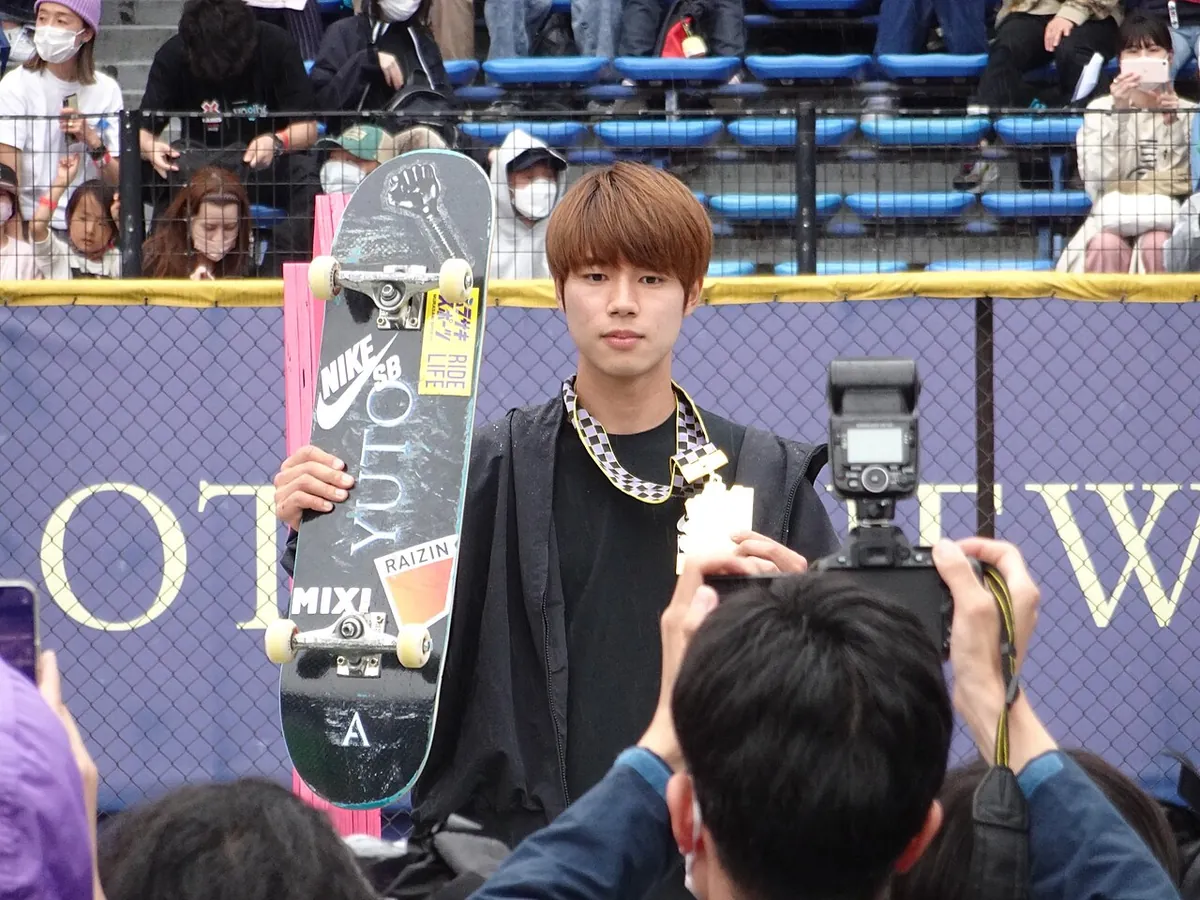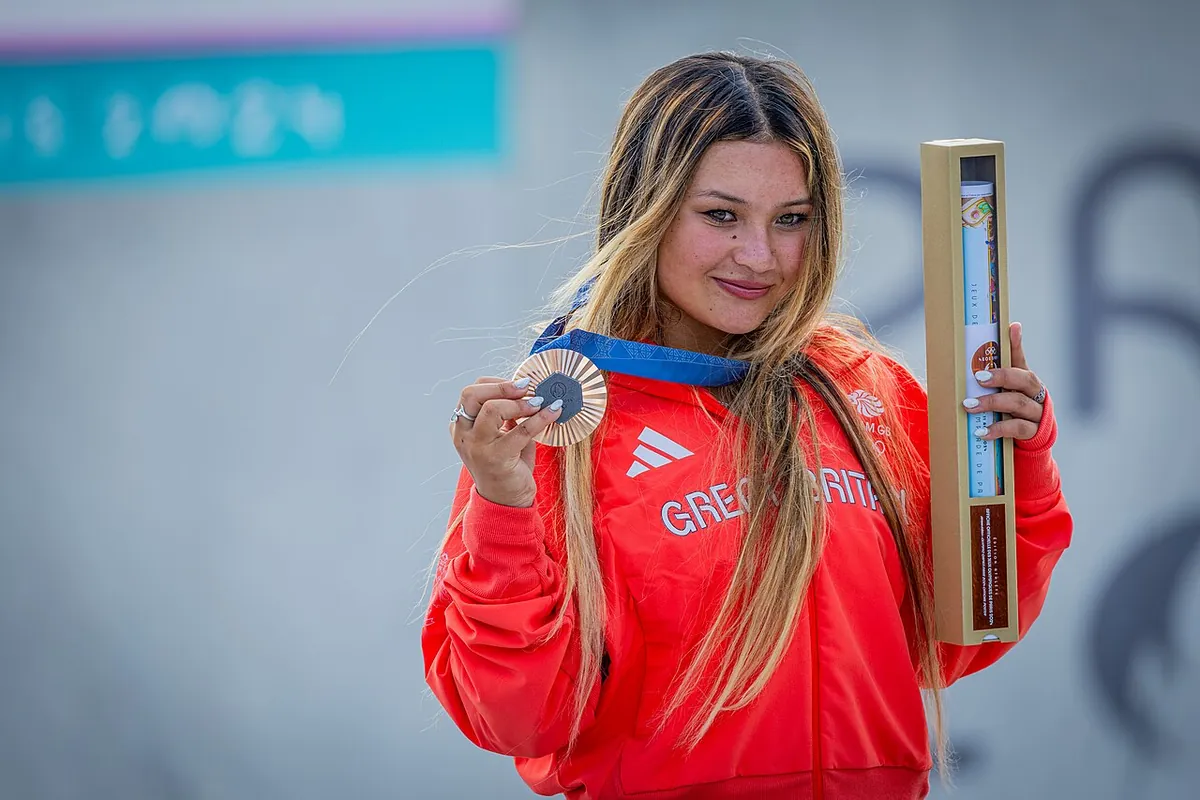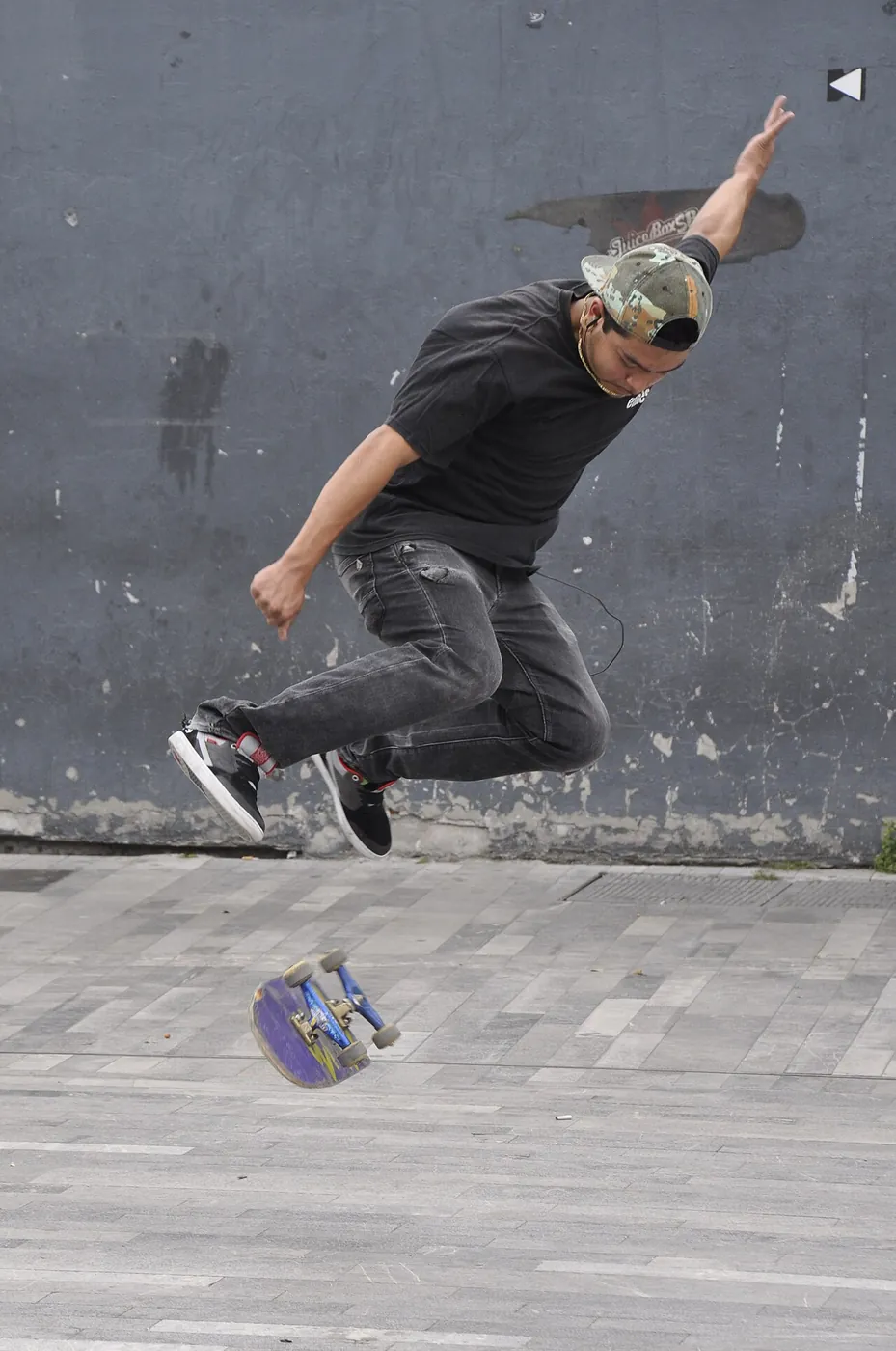
Skateboarding made its Olympic debut at Tokyo 2020, but its history extends far beyond that competition. Street skating, films, vert facilities and different event traditions all helped shape its culture. Understanding Olympic skateboarding means treating standardised competition as one important setting while retaining the historical importance of the other ways the sport developed.
The scope of the debut
Tokyo's Olympic programme included men's and women's street and park, with the events actually held in 2021. Using the official Tokyo 2020 edition name keeps the account aligned with the records. The selected disciplines do not encompass every skateboarding practice, and other settings should not be dismissed simply because they were not Olympic events.
Rules make comparison possible
Competition requires defined time, rounds, valid attempts and judging standards so athletes can meet within a shared structure. These arrangements help spectators understand results and require competitors to manage opportunities. They do not remove innovation or personal style; riders still need to find distinctive ways of performing within the event's framework.
Different kinds of contribution
Some important figures are remembered for medals, others for tricks, films or developments in skateboarding spaces. A historical account should distinguish those contributions instead of reorganising every reputation around Olympic results. That perspective explains why a rider who never competed at the Games can still have a major and lasting influence.