 Skateboarding
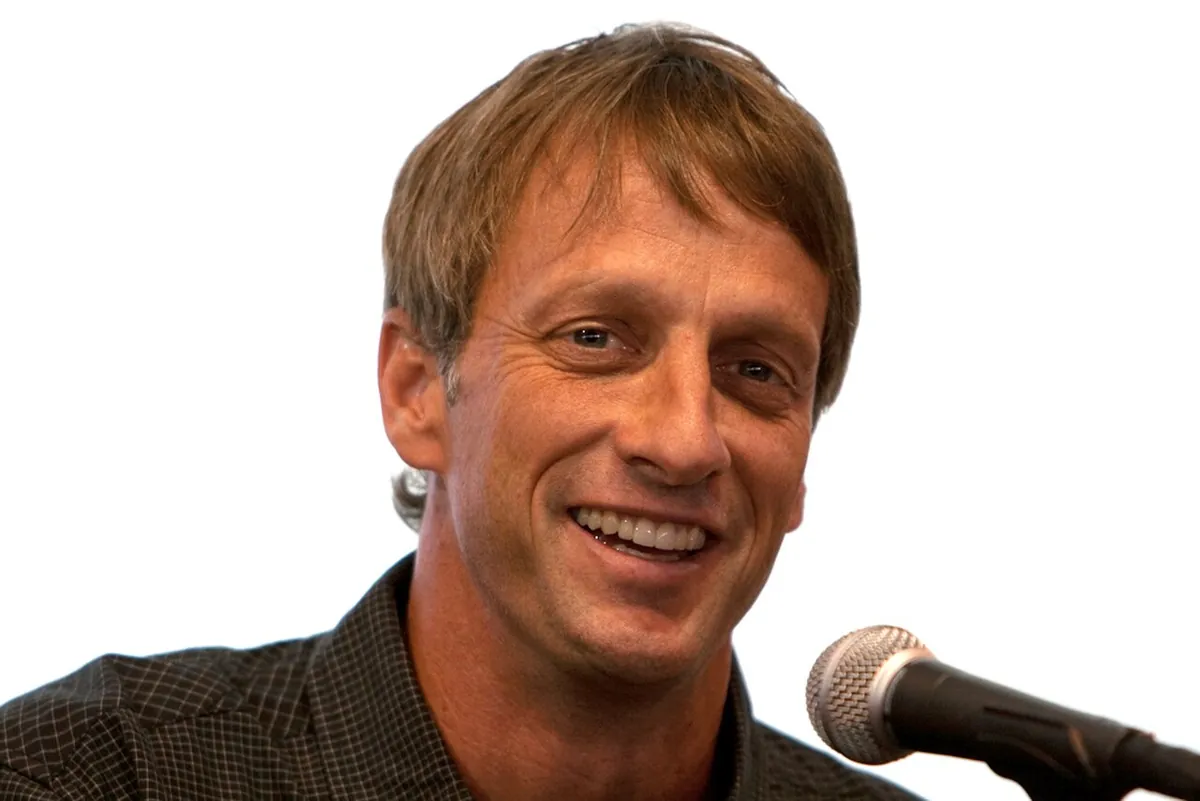
Tony Hawk: Bringing Vert Skateboarding to a Wider Audience
Hawk's influence connects competitive achievement, landmark tricks and the media through which many people first encountered skateboarding.
SkateboardingHawk's influence connects competitive achievement, landmark tricks and the media through which many people first encountered skateboarding.
 Skateboarding
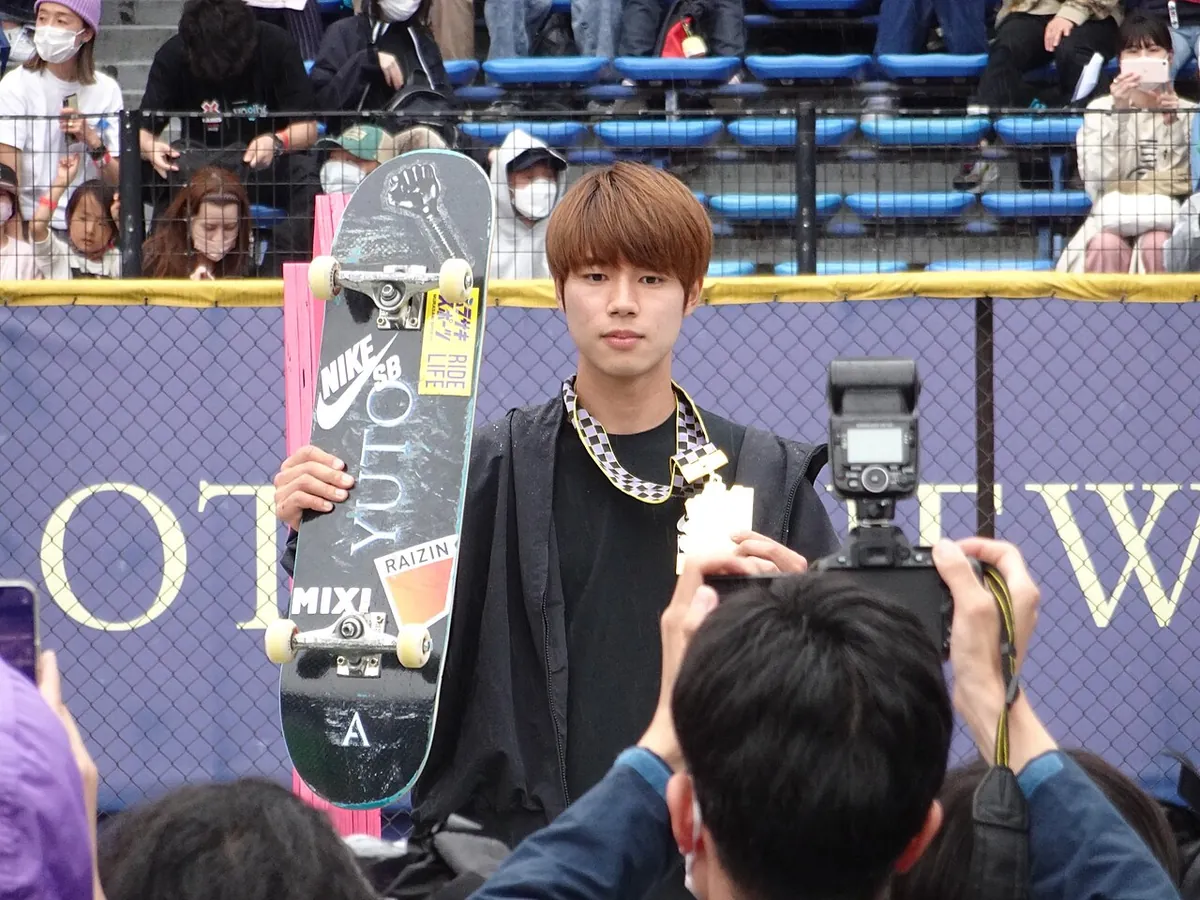
Horigome's competition skating highlights the connection between demanding tricks, controlled landings and the decisions made across a round.
 Skateboarding
Brown's park skating shows how transitions, aerial manoeuvres and landing direction combine into a complete run.
 Skateboarding
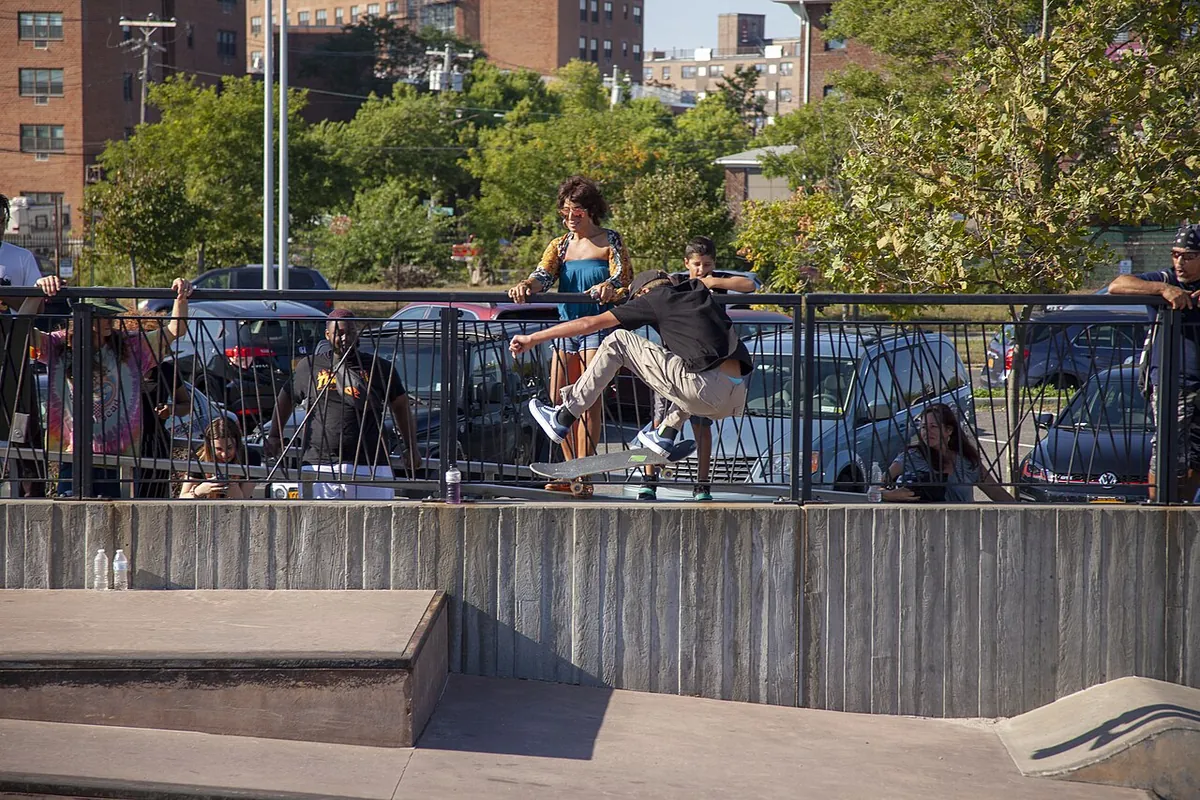
Urban obstacles and connected transitions create different opportunities, even where the same broad ideas of control and difficulty apply.
 Skateboarding
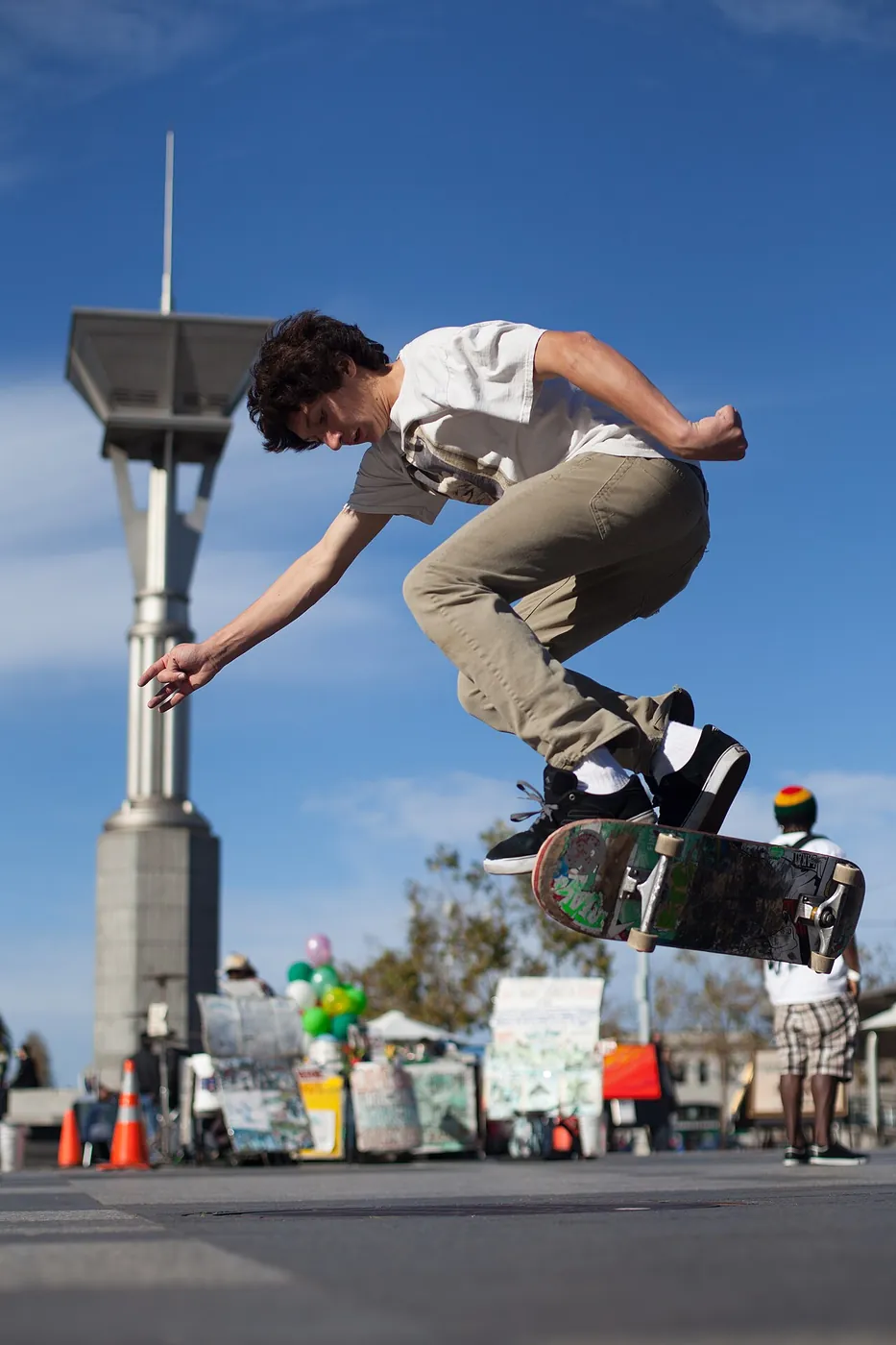
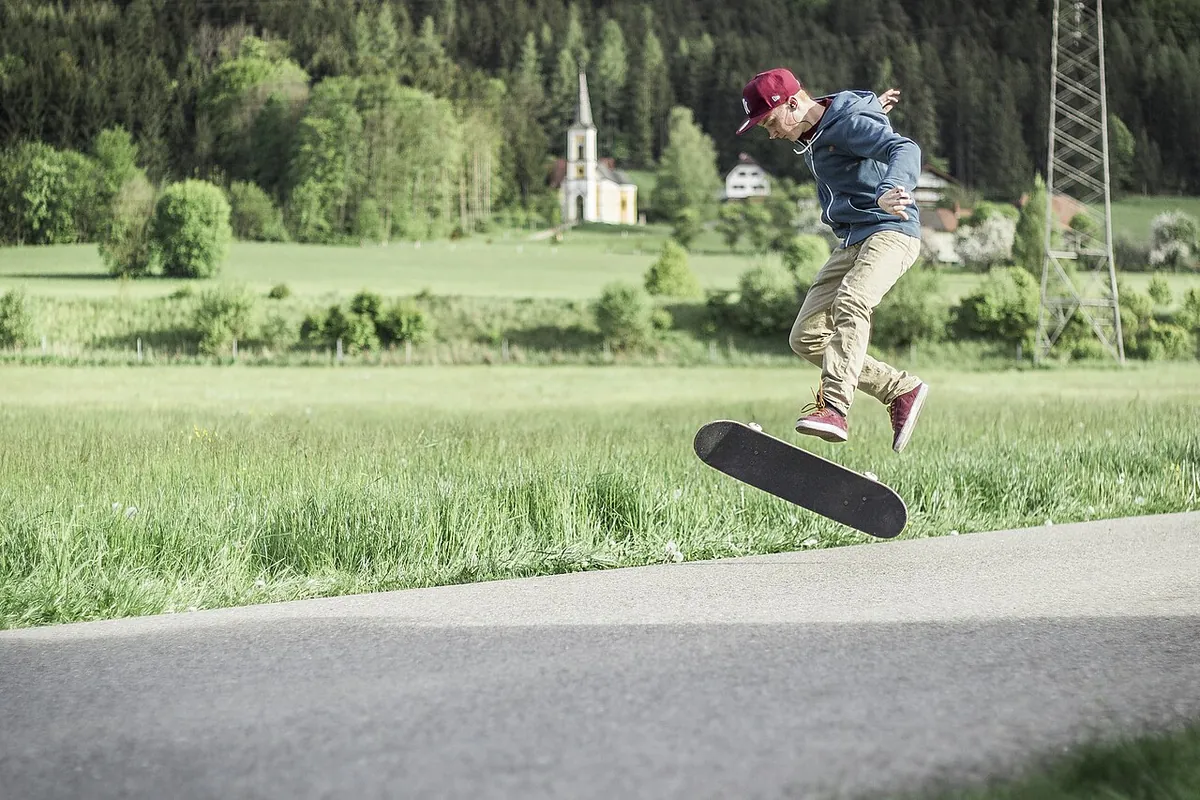
Understanding the take-off and landing of an ollie helps distinguish the additional movements in more complex tricks.
 Skateboarding
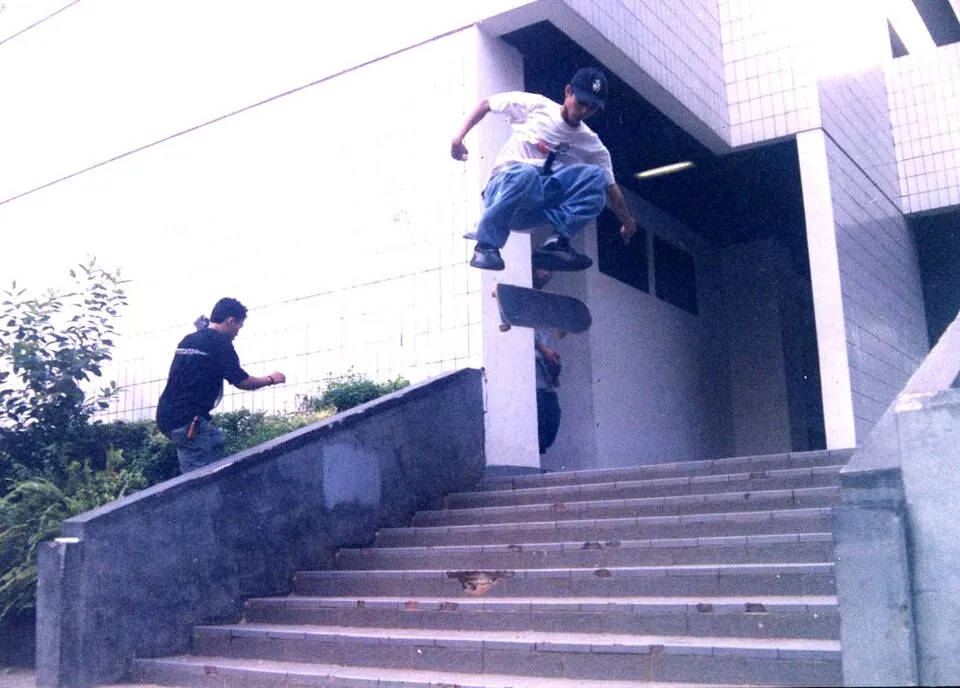
The contact point is the simplest way to begin recognising tricks along rails and ledges.
 Skateboarding
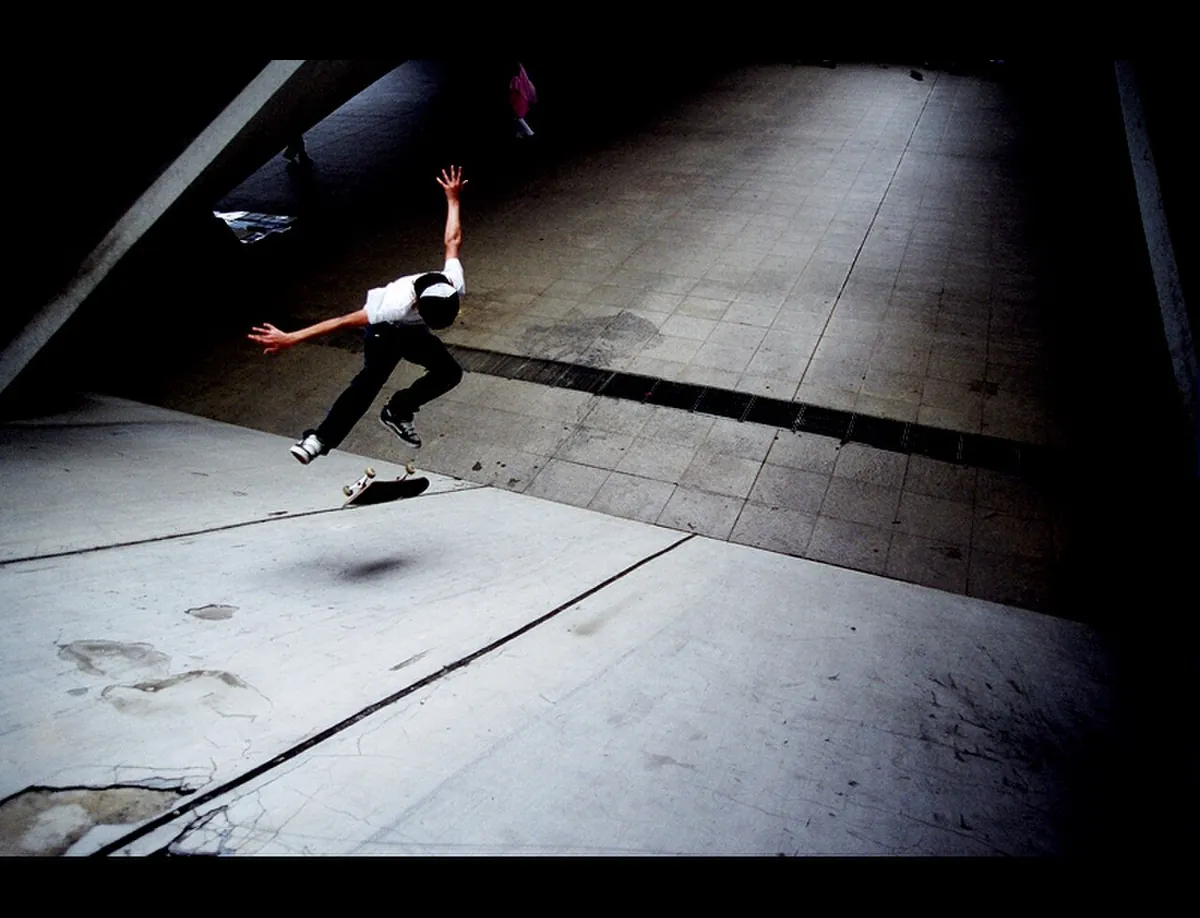
Stance terms describe a rider's orientation and preferred movement pattern, not a hierarchy of ability.
 Skateboarding
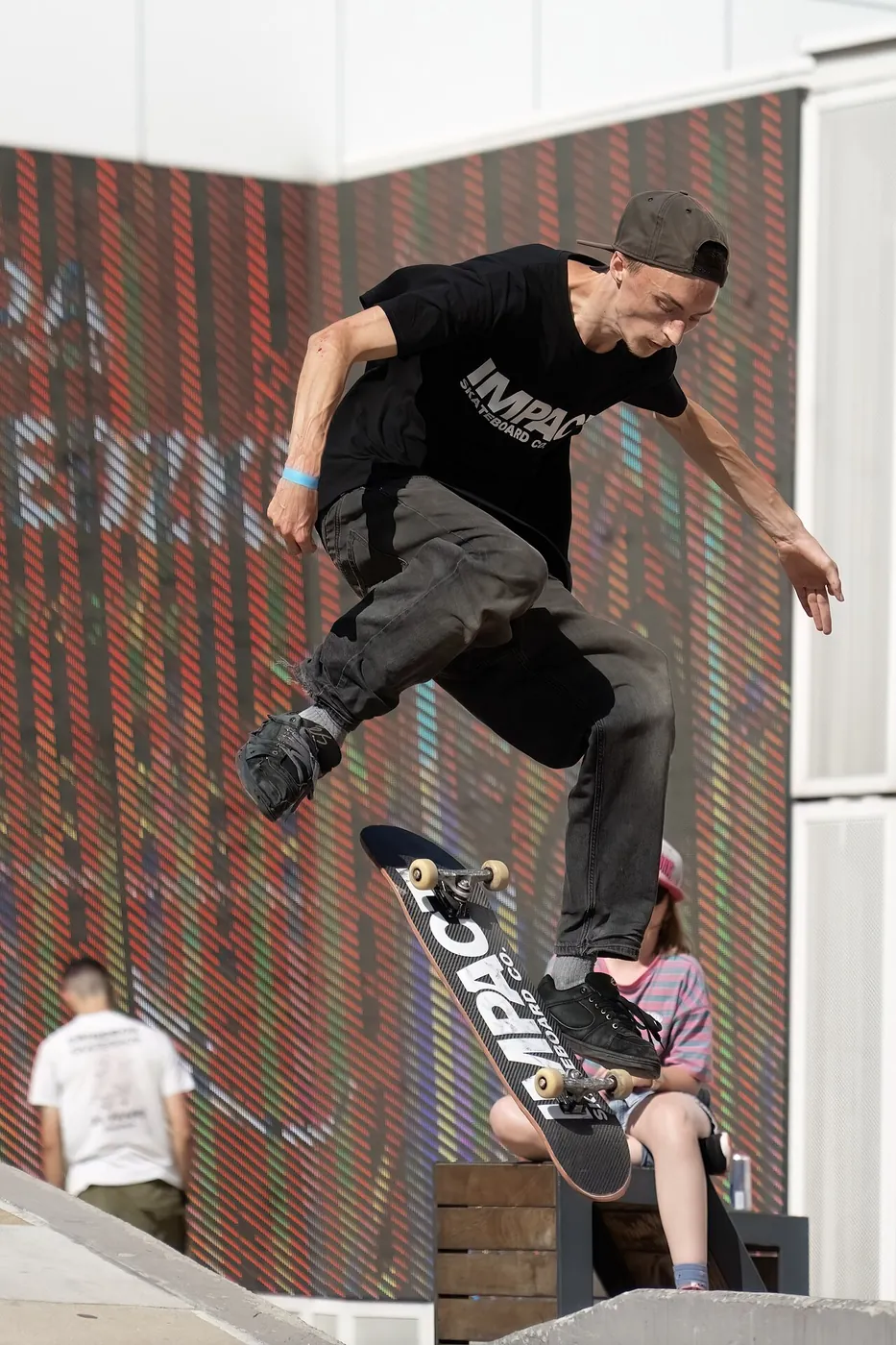
A complete park line balances speed, landing direction and course coverage rather than collecting isolated difficult moments.
 Skateboarding
The scoring structure explains why riders balance dependable runs with more ambitious attempts.
 Skateboarding
The Olympic stage is one chapter in a history built through streets, ramps, films, tricks and many kinds of events.