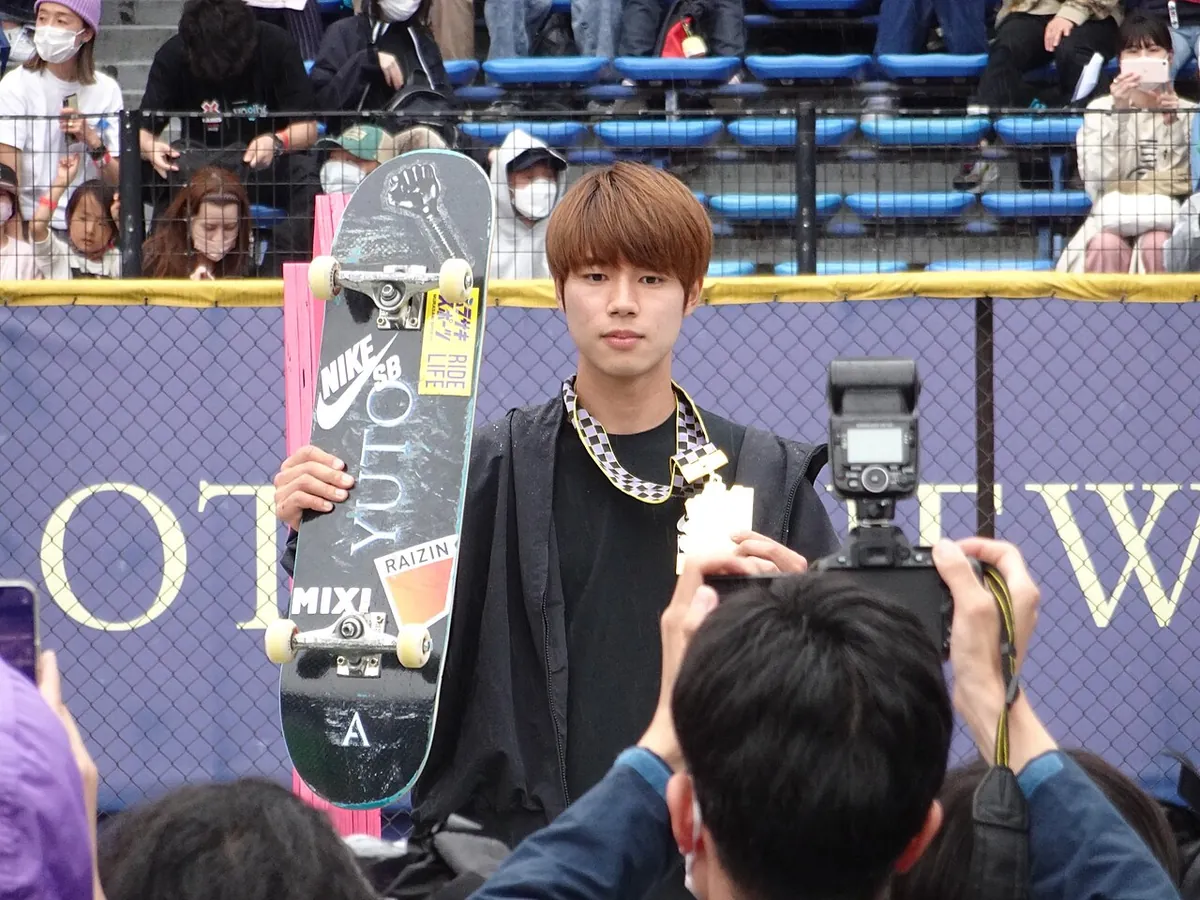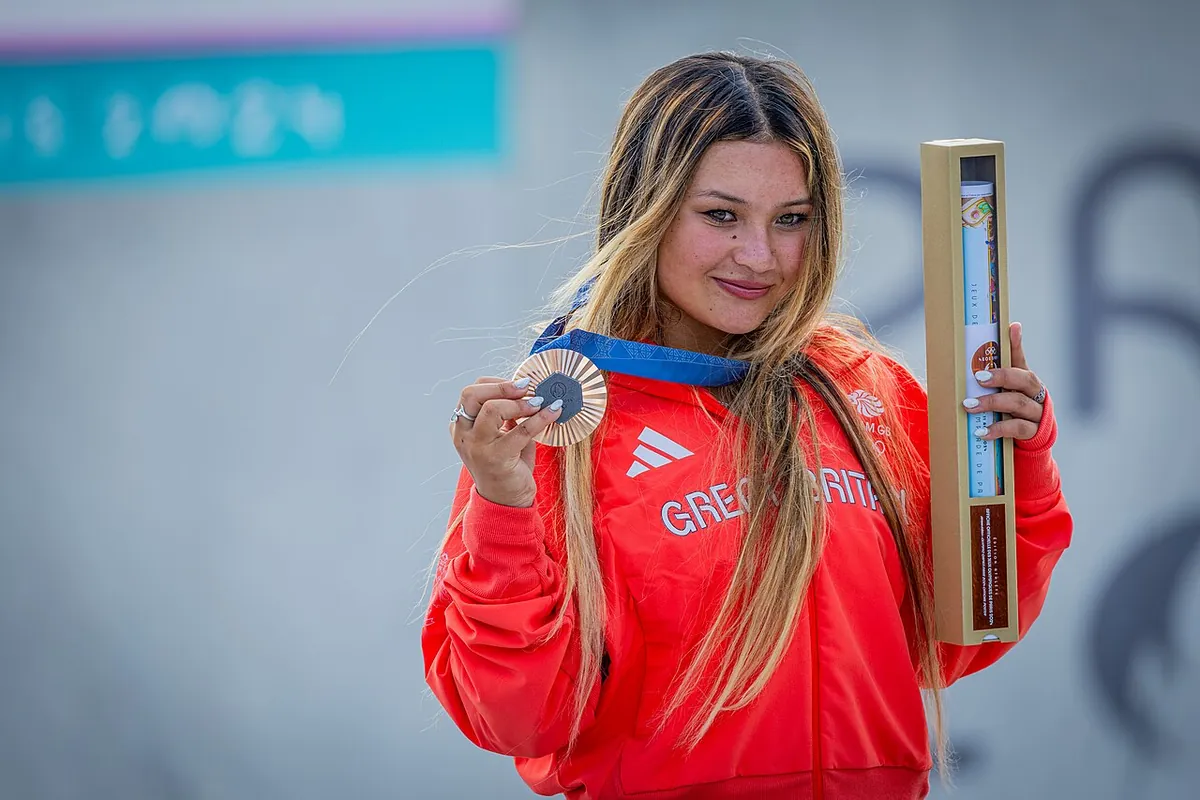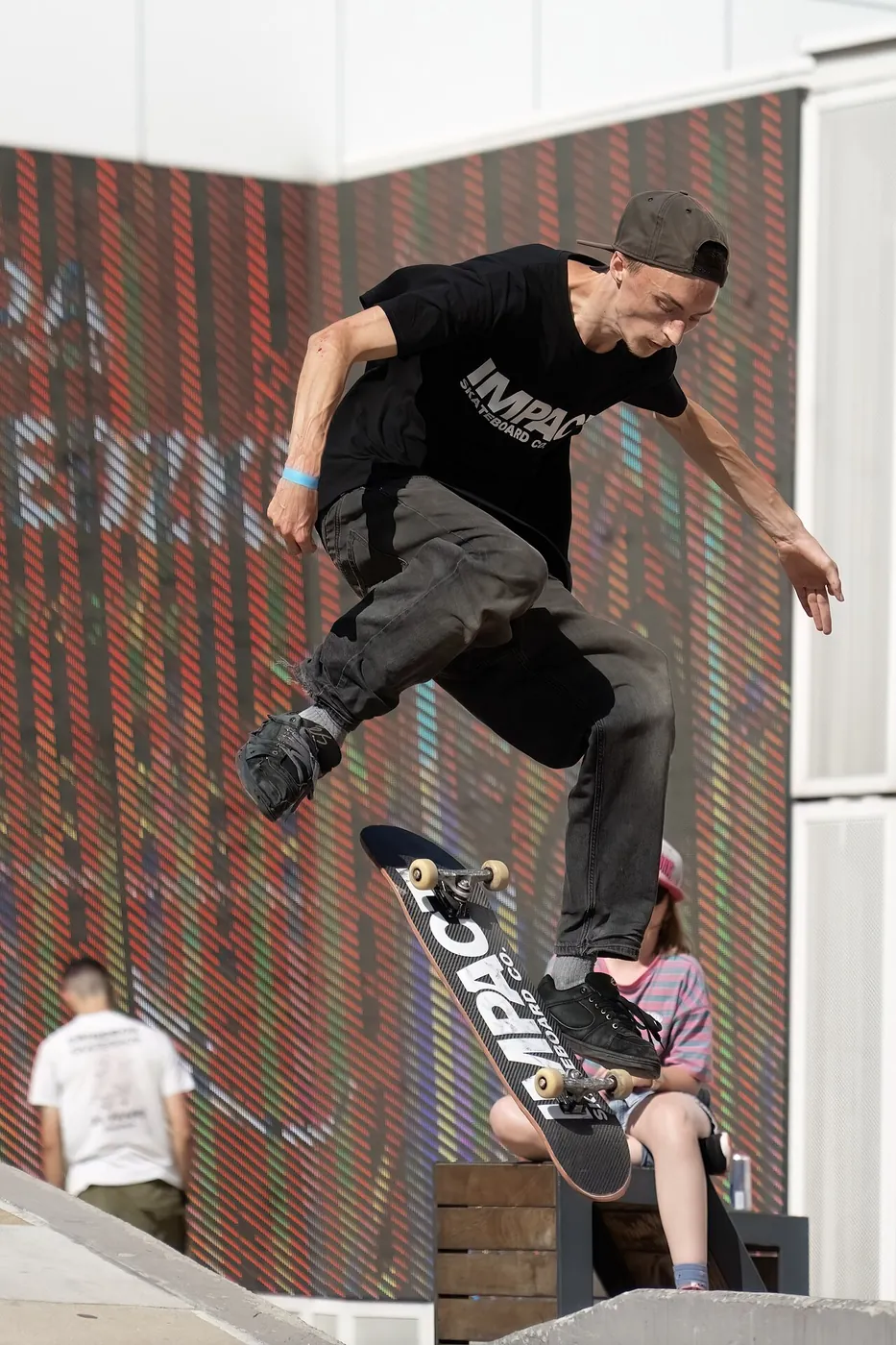
Skateboarding judges evaluate tricks and complete runs rather than simply adding the number of actions performed. World Skate defines separate formats and scoring procedures for street and park, and these can change between editions. Begin by identifying the current format, then consider why a rider repeats a trick, changes an attempt or chooses a more conservative option.
Difficulty must be delivered
An ambitious idea becomes competitively useful through an effectively completed trick. Take-off, obstacle contact and landing all belong to that execution. A foot touching down, a loss of balance or an unstable roll-away can affect recognition and evaluation. The official score and relevant judging explanation provide the correct reference for a close call.
The street combination
At Paris 2024, the Olympic street total combined the best run with the best two individual-trick scores. This required both a developed line and successful standalone attempts. Tokyo used a different scoring structure, so its results need their own rules. One excellent trick cannot be interpreted outside the method used to build the total.
Park evaluates the run
Park competition centres on the complete run, with use of the course, variety and connected movement contributing to the performance. A striking trick does not automatically make its run the best. First establish which valid scores are retained, then compare their content to understand the risks a rider takes on a final attempt.