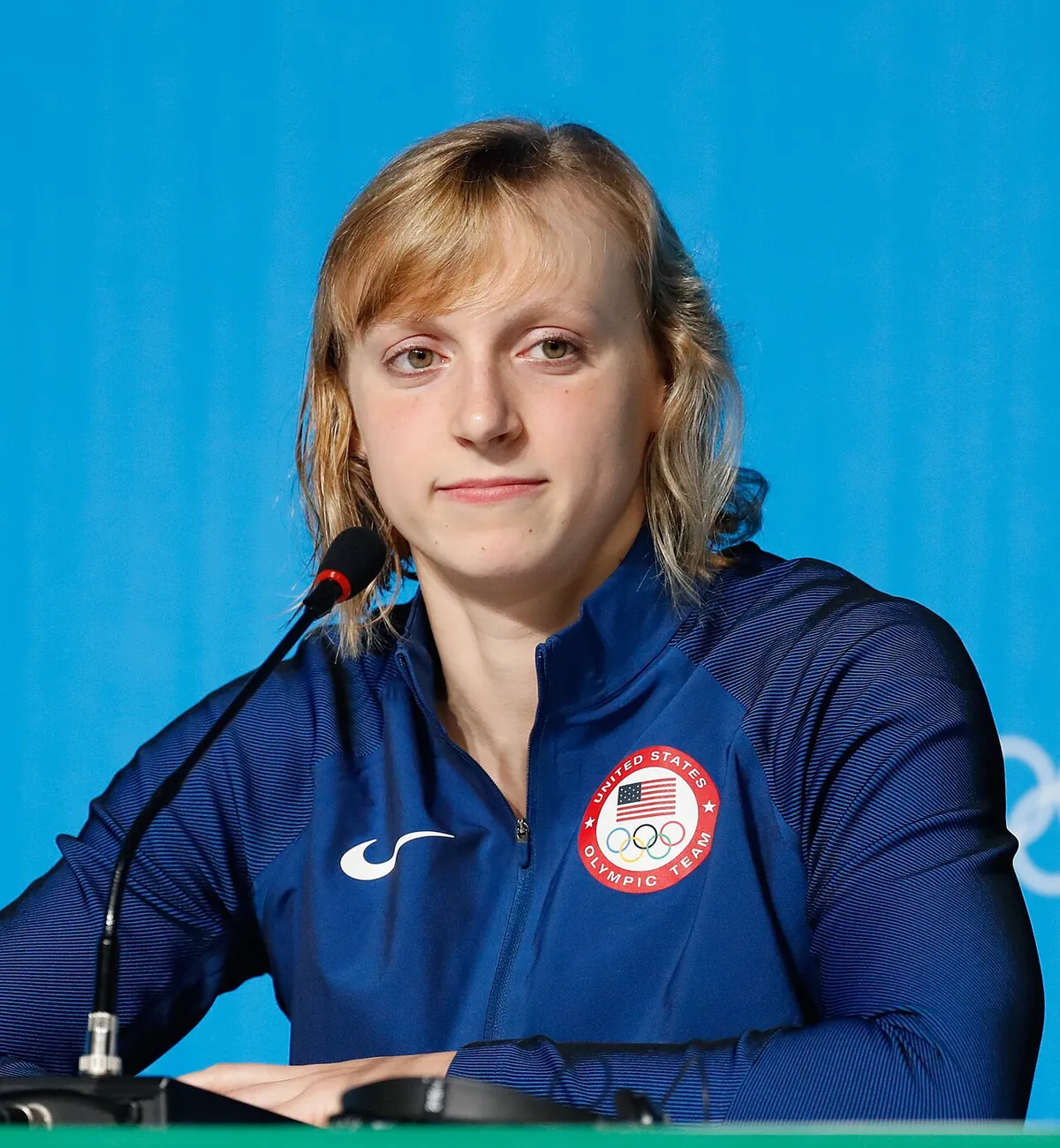
American freestyle swimmer Katie Ledecky won the women's 800m freestyle at the London 2012 Olympics. She later achieved prominent results across several freestyle distances. This profile uses that established starting point and the mechanics of distance-race observation rather than a changing count of records or current rankings.
London as a clear reference point
An 800m victory is built throughout the race rather than created only by the final touch. Replay the early, middle and closing phases alongside the splits. This distinguishes an assertive opening from the ability to sustain speed later, and demonstrates why consistent technical execution matters across repeated lengths and turns.
Observe continuity rather than appearances
Watch how Ledecky connects each turn with the next length and whether her stroke rhythm remains effective in the latter part of the race. Splash size and visible movement range are imperfect measures of efficiency. Equivalent middle and late splits provide stronger evidence, while different distances and pool formats require separate comparisons.
Place the lead within the race distance
A visible gap has different implications at different stages and over different total distances. Look first at the sequence of splits, then at when the gap to opponents changes. Reconstructing the race as connected sections explains how sustained swimming develops an advantage. A finish-line image alone cannot show when or how that separation was built.