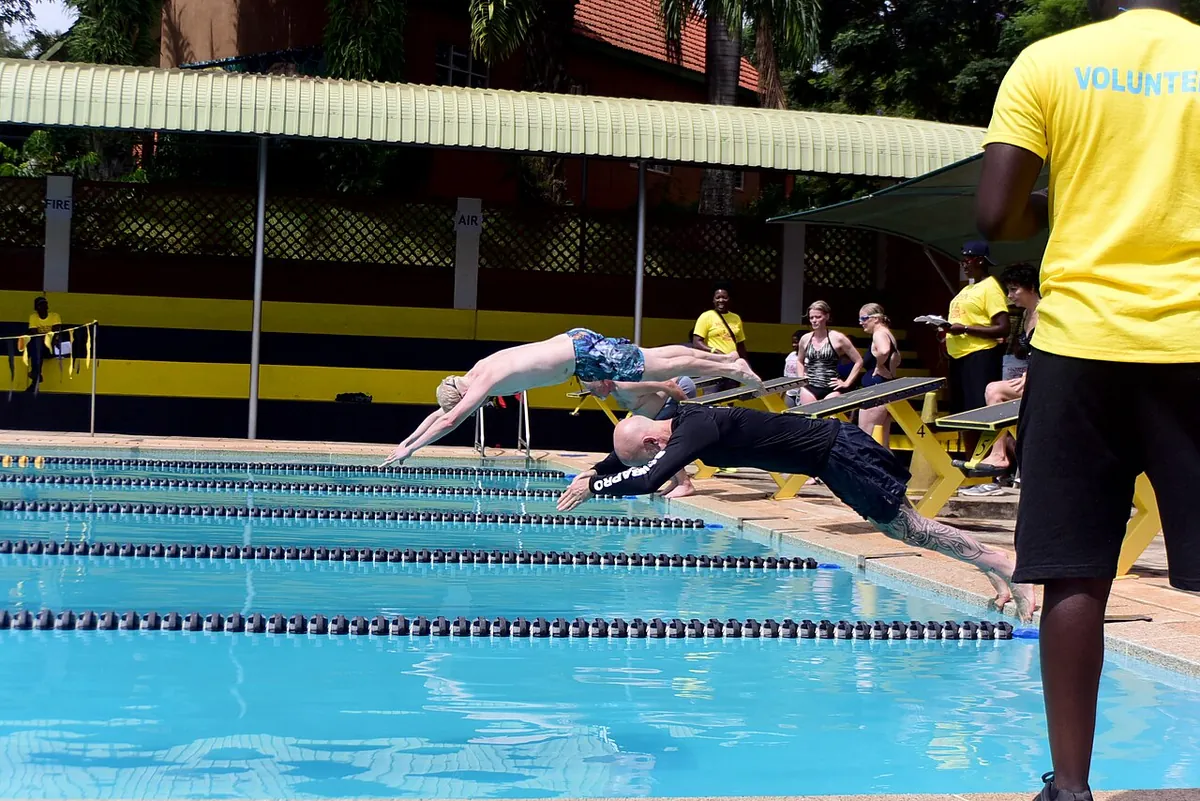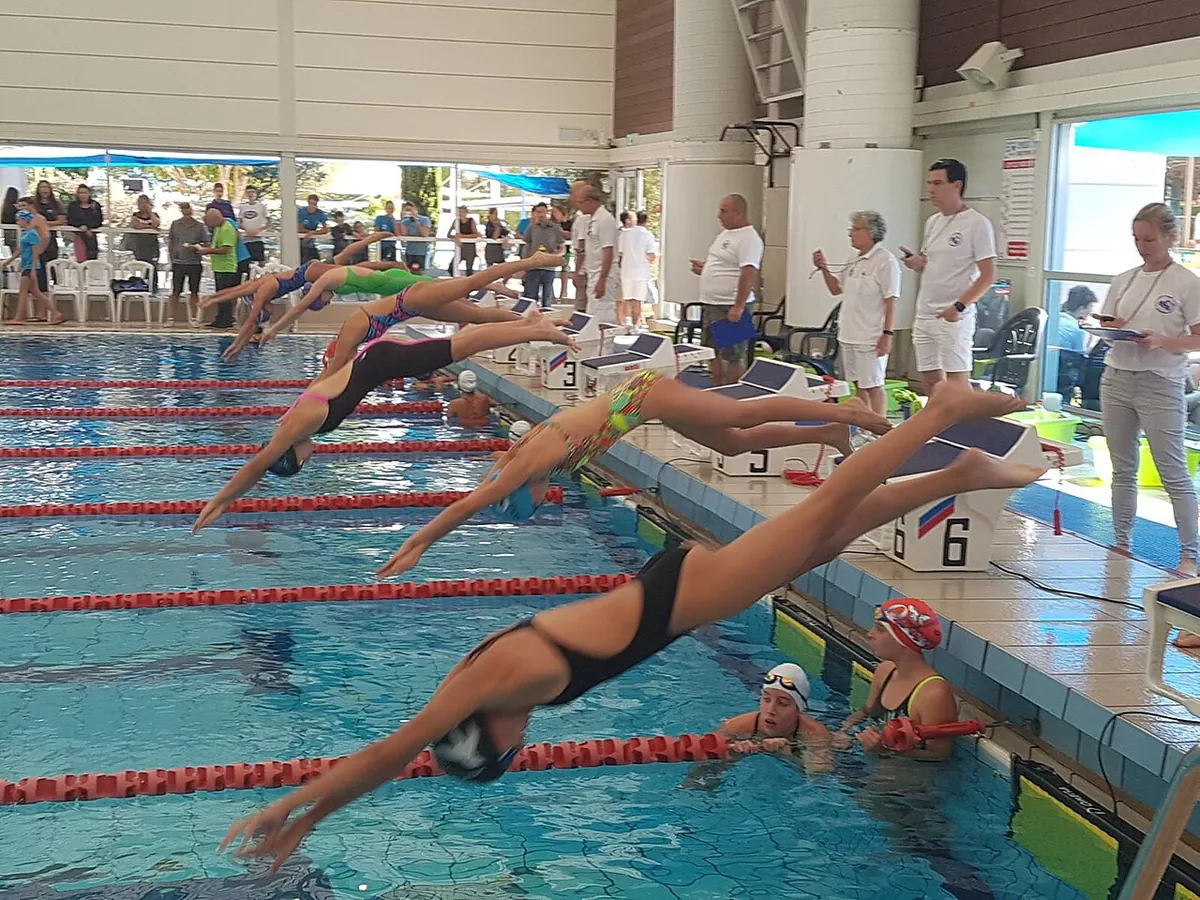
In individual medley, one swimmer completes butterfly, backstroke, breaststroke and freestyle in that order. A medley relay begins with backstroke, followed by breaststroke, butterfly and freestyle, each assigned to a different swimmer. These related World Aquatics events therefore test distinct forms of versatility and coordination.
Changing stroke is a technical task
Each individual-medley leg must satisfy the relevant stroke requirements, and the transition between strokes has its own implications. Finishing a backstroke leg is not simply the same action as an ordinary mid-race backstroke turn. Track positions after each stroke to identify where a swimmer gains ground, distinguishing balanced ability from one especially strong section.
The relay order and team selection
Backstroke leads the medley relay because its start takes place in the water. Later swimmers use platform exchanges, which must meet the relevant timing rules. Team performance depends on specialist swimming and legal changeovers. Different strokes naturally have different speeds, so comparing teams at equivalent points is more useful than interpreting a change of stroke as a sudden loss of form.
Follow every transition at the wall
Remembering the order is only the beginning. In individual medley, the same swimmer must legally end one technique and begin another. The relay distributes those jobs among teammates while adding exchange timing. Observe the approach to the wall and the beginning of the next leg to connect the visual stroke change with the event's structure.