Swimming relays connect individual legs into one team time. Freestyle and medley formats place different demands on team selection, while later swimmers must coordinate their departure with the preceding touch. Under World Aquatics rules, visible preparatory movement does not automatically mean that a swimmer has left the platform too early.
Watch the actual exchange condition
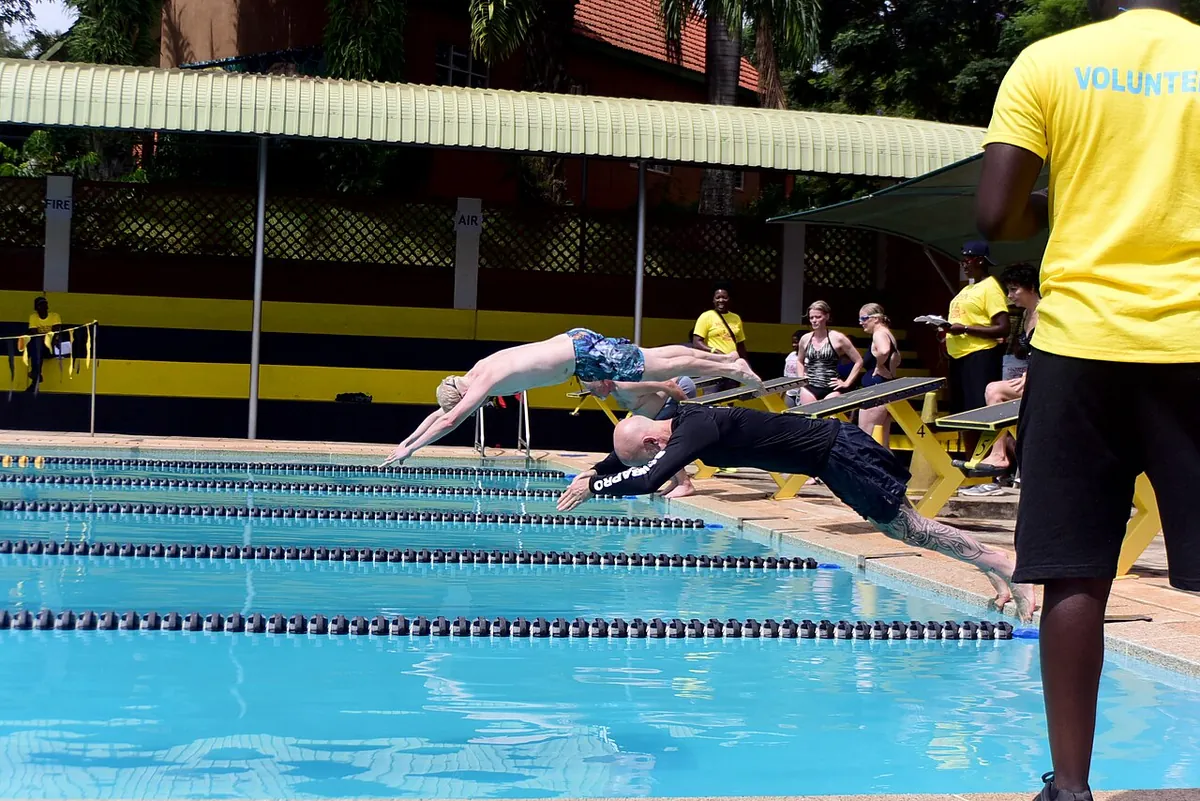
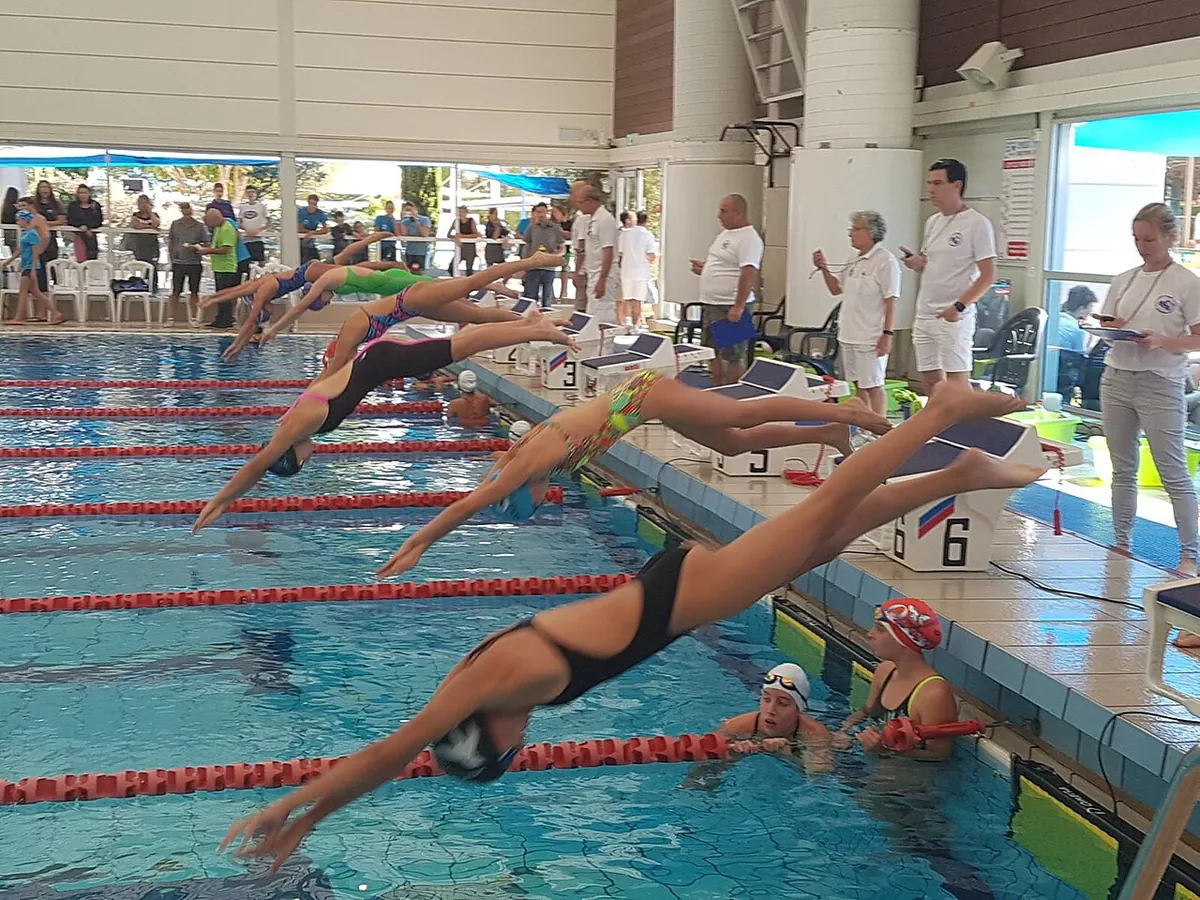
The outgoing swimmer may prepare and move before take-off, but legality depends on the defined relationship between the incoming touch and departure. An arm beginning to move is not necessarily the instant of leaving the platform. Official exchange information and adjudication are more reliable than guessing from one broadcast angle or a paused frame.
Leg roles and split comparisons
Freestyle relay order can reflect starts, race condition and different competitive tasks. Medley order is constrained by the strokes. The first swimmer starts from a stationary position, while later swimmers use exchanges, so their splits are not equivalent to independent individual-race times. Separate the swimmer's leg, the changeover and the final team time when analysing performance.
How a lead passes between swimmers
A lead does not necessarily grow at a constant rate. Different athletes take over, and medley relays also change stroke. First identify the current leg and stroke, then examine relative positions. A narrowing gap may be part of the team contest rather than evidence that the entire squad has underperformed. All four legs contribute to the final result.