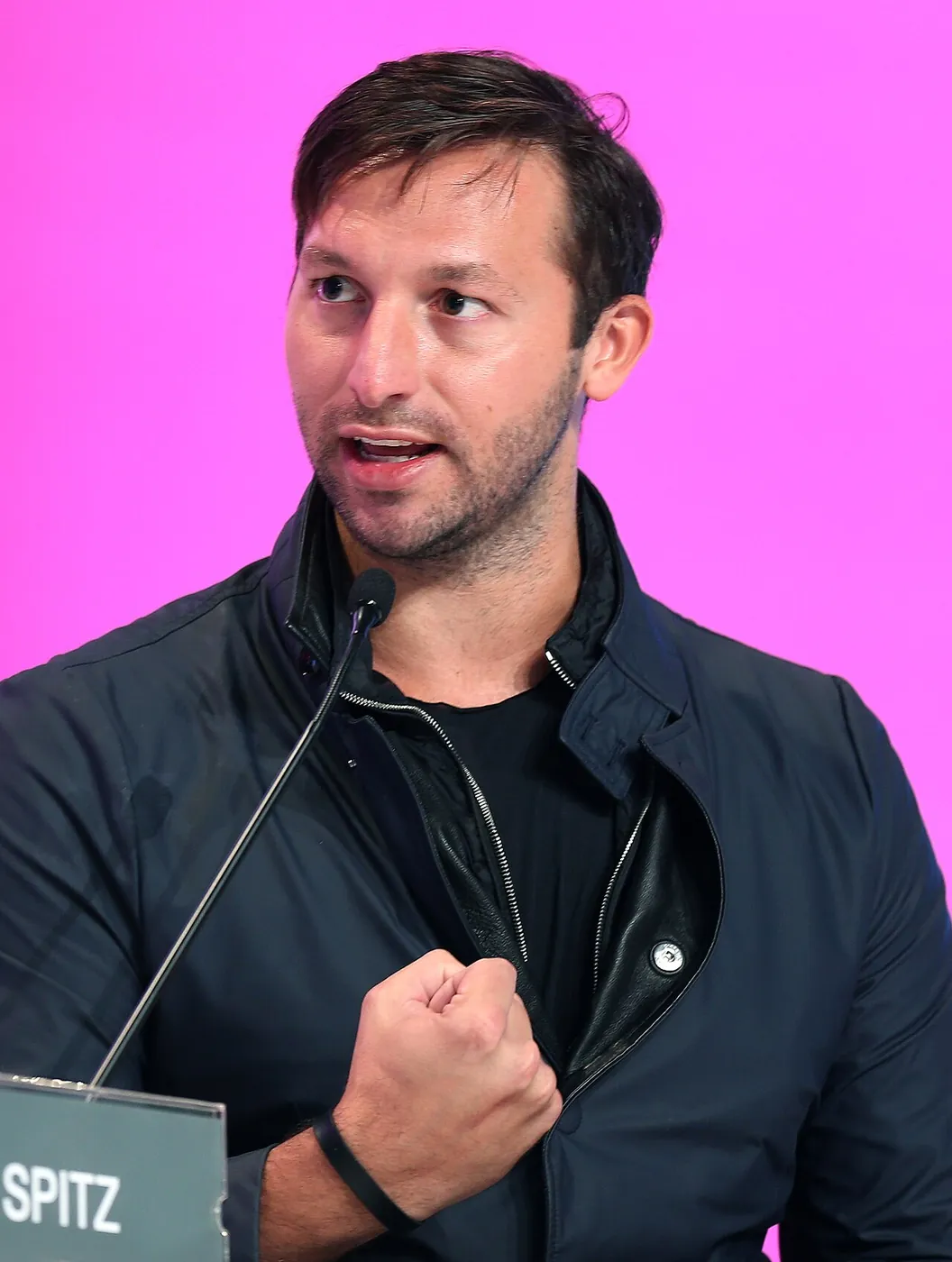
Australian swimmer Ian Thorpe competed at the Sydney 2000 and Athens 2004 Olympics, earning five Olympic gold medals during his career. Freestyle was his central discipline. Individual races, relay events and their distances should be labelled separately, without turning a historical national standing into a claim that must remain true forever.
Following the Olympic results
Thorpe won the men's 400m freestyle in Sydney and contributed to Australian freestyle relay victories. In Athens, he won the 200m and 400m freestyle. These events show how individual middle-distance ability can support team responsibilities. Compare the opening patterns within each event rather than assuming that every freestyle distance requires identical pacing.
Fluency needs performance evidence
Thorpe's swimming can create a strong impression of controlled, flowing movement. That impression becomes more informative when paired with splits and late-race speed. Compare the same swimmer across appropriate distances instead of declaring a technique superior from one still image. Starting conditions, event rules and opponents' pace all belong to the competitive context.
Use historical footage carefully
Watch how the arm action, kick and breathing fit together across complete lengths. Apparent ease does not mean a lack of effort. Equipment, venues and other competitive conditions can differ across eras, so footage alone cannot settle an absolute historical ranking. Place Thorpe's movement alongside his actual events and opponents to understand its significance.