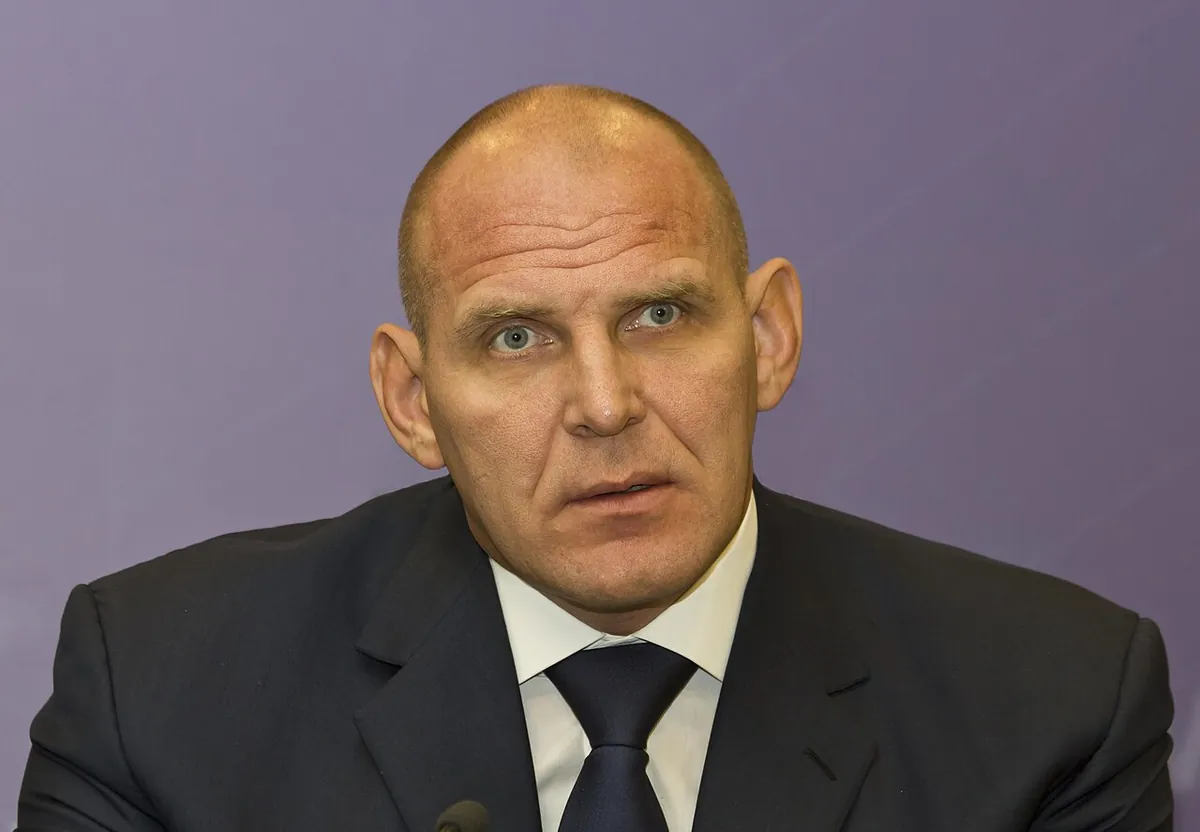
Greco-Roman wrestler Aleksandr Karelin won Olympic gold in 1988, 1992 and 1996, followed by silver at Sydney 2000. His Olympic career crossed different representative-team contexts, which belong in the historical record. The documented results provide a stronger foundation than unverified stories about extraordinary physical strength.
The Greco-Roman technical setting
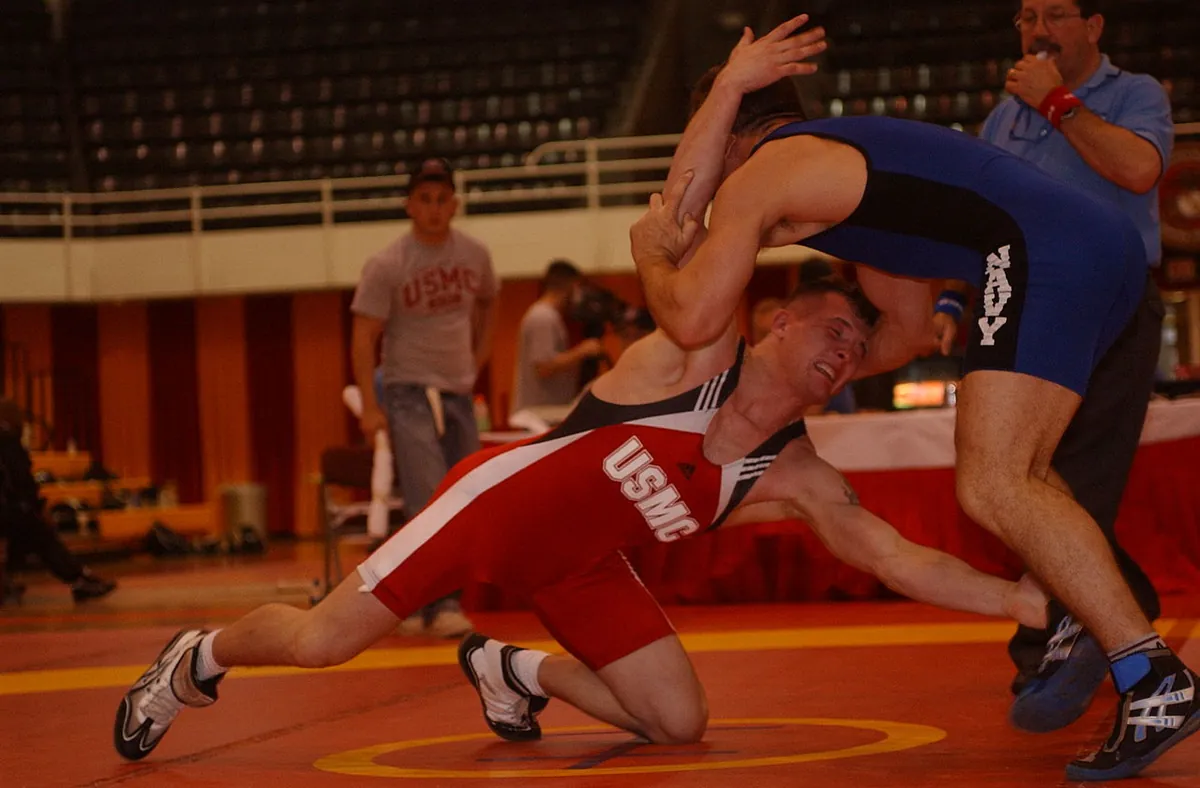
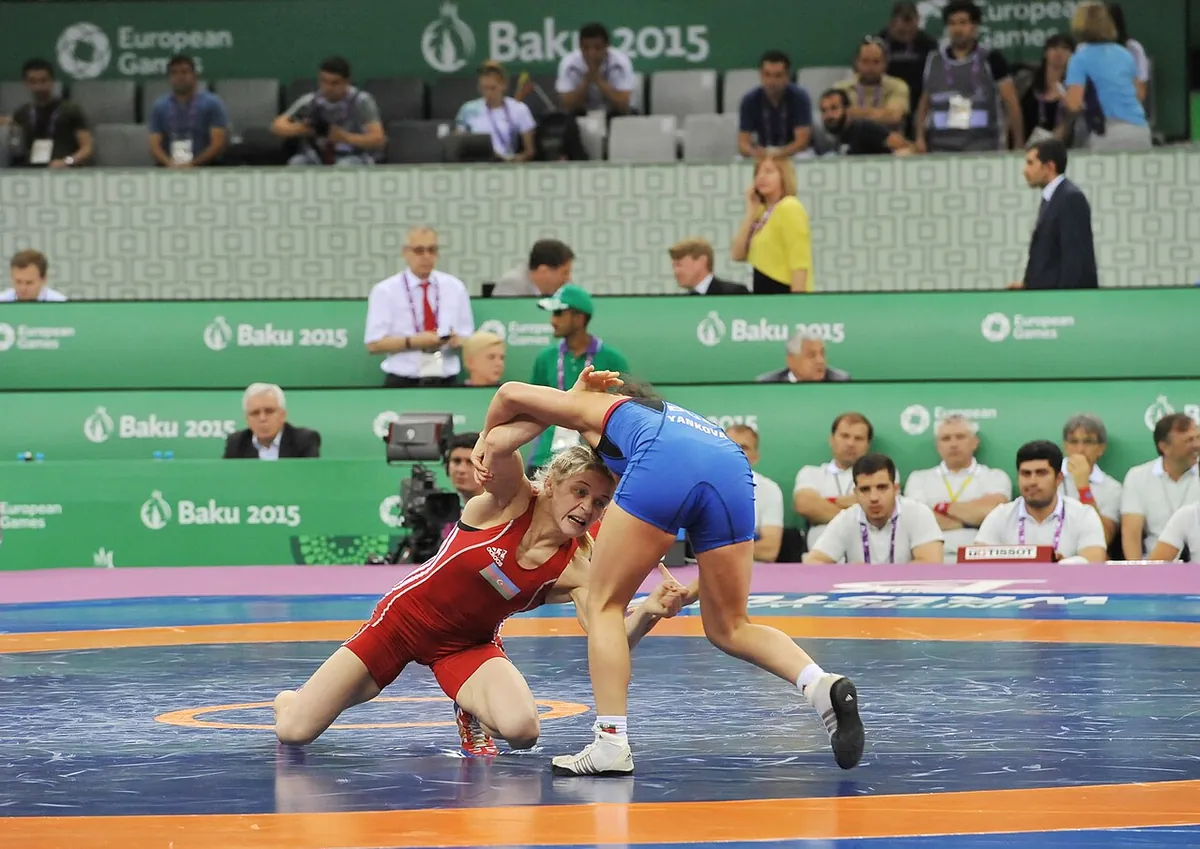
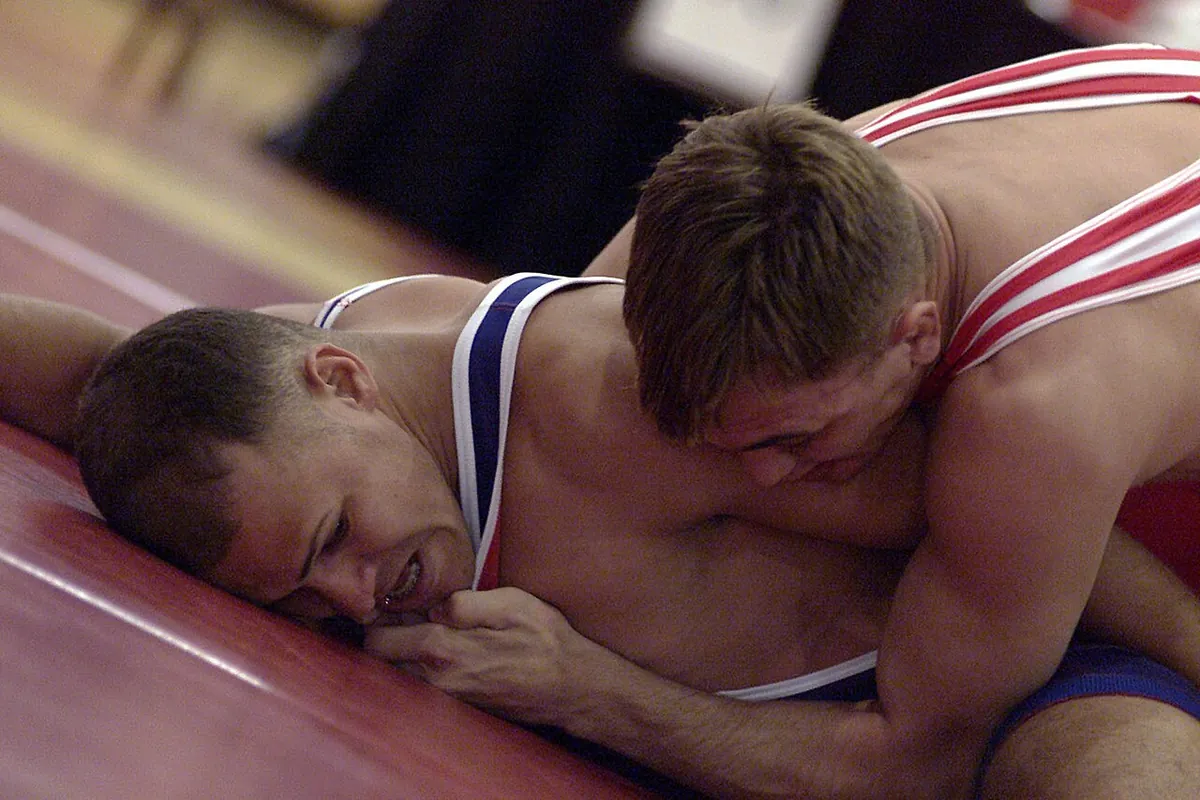
Restrictions on leg attacks give upper-body control, grips and whole-body movement a distinctive role. Karelin's heavyweight performances should be interpreted within that framework, rather than directly compared with freestyle leg attacks. Watch the establishment of contact, the change in balance and the completed control. A spectacular throw depends on conditions created before the lift becomes obvious.
The silver belongs in the complete career
Sydney shows that sustained success can also include defeat. An accurate profile retains the final silver alongside the three golds instead of deleting it to preserve an unbeaten image. Historical categories, formats and rules also deserve identification. Actual contests provide a more informative account than a legend that cannot accommodate a different outcome.
Representative teams are historical facts
Karelin competed in Olympic contexts associated with the Soviet Union, Unified Team and Russia. The relevant name should match the year. Assigning every medal to one unchanged national team would remove information from the official record. A general biographical identity and the precise historical attribution of each result serve different purposes.