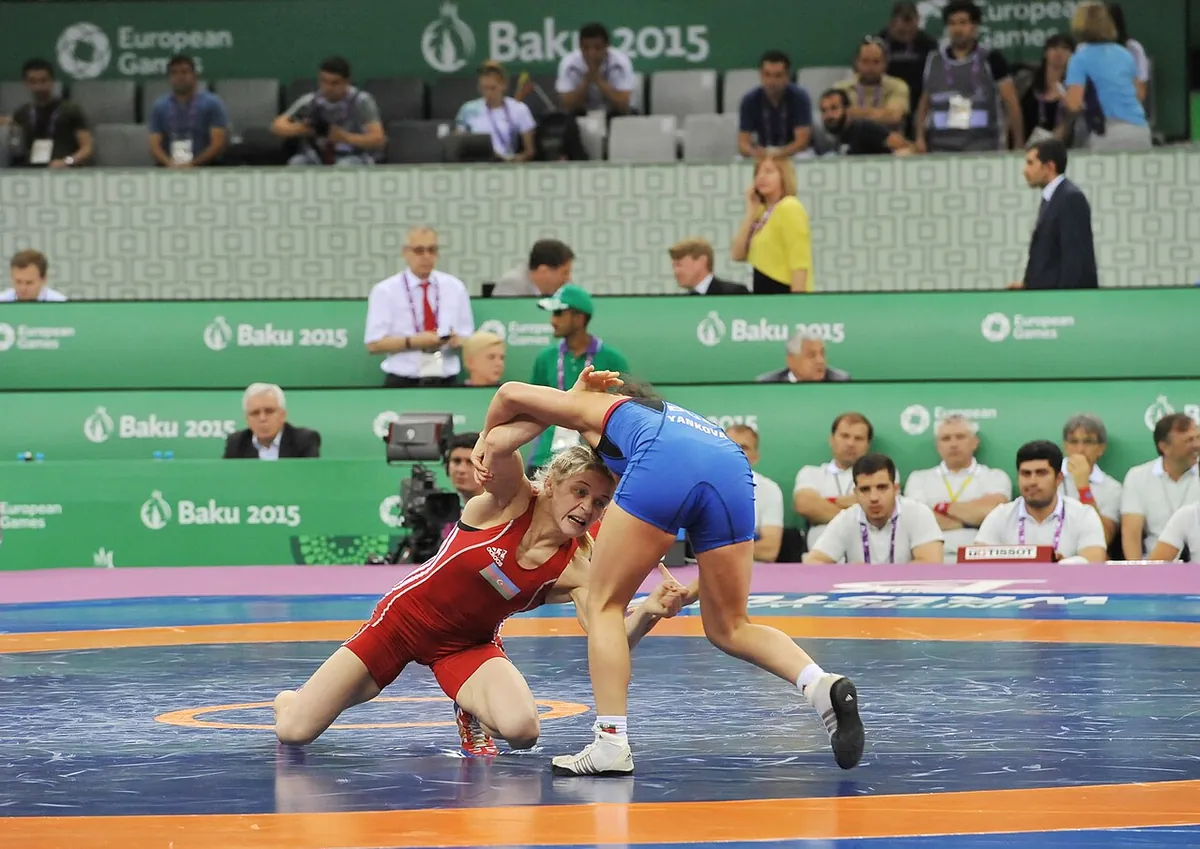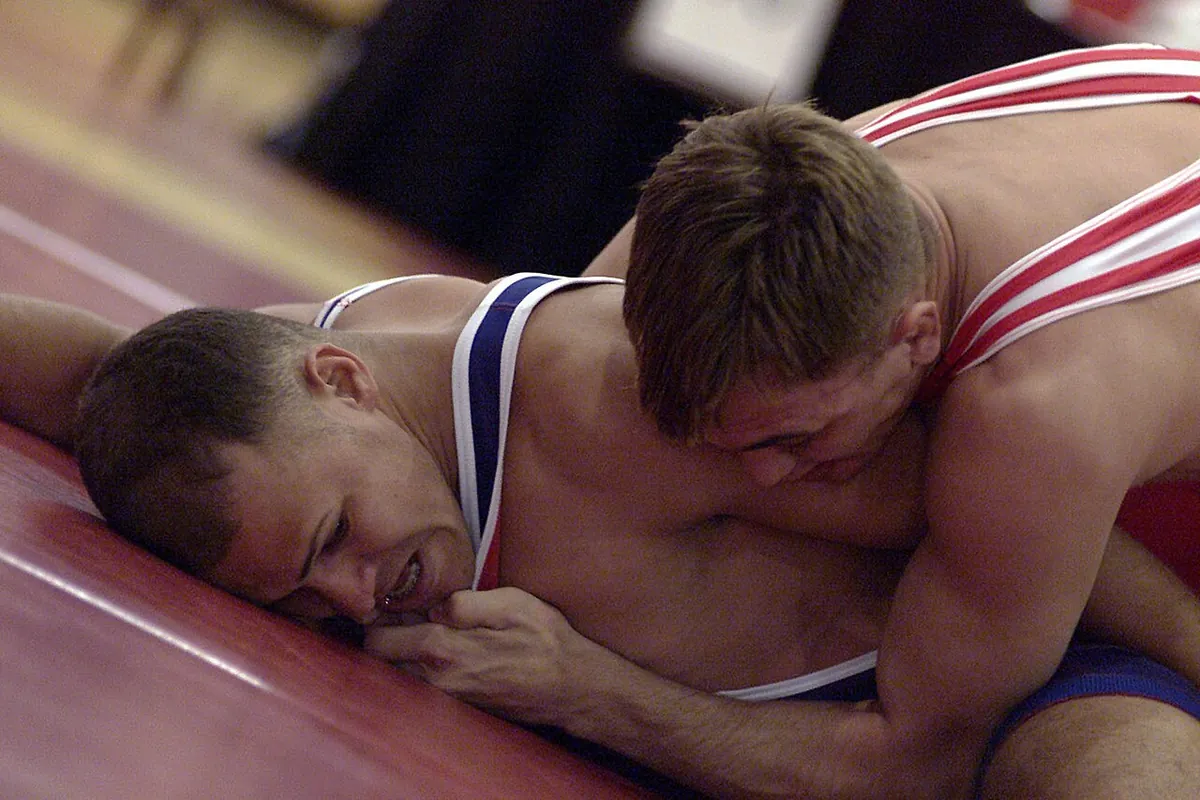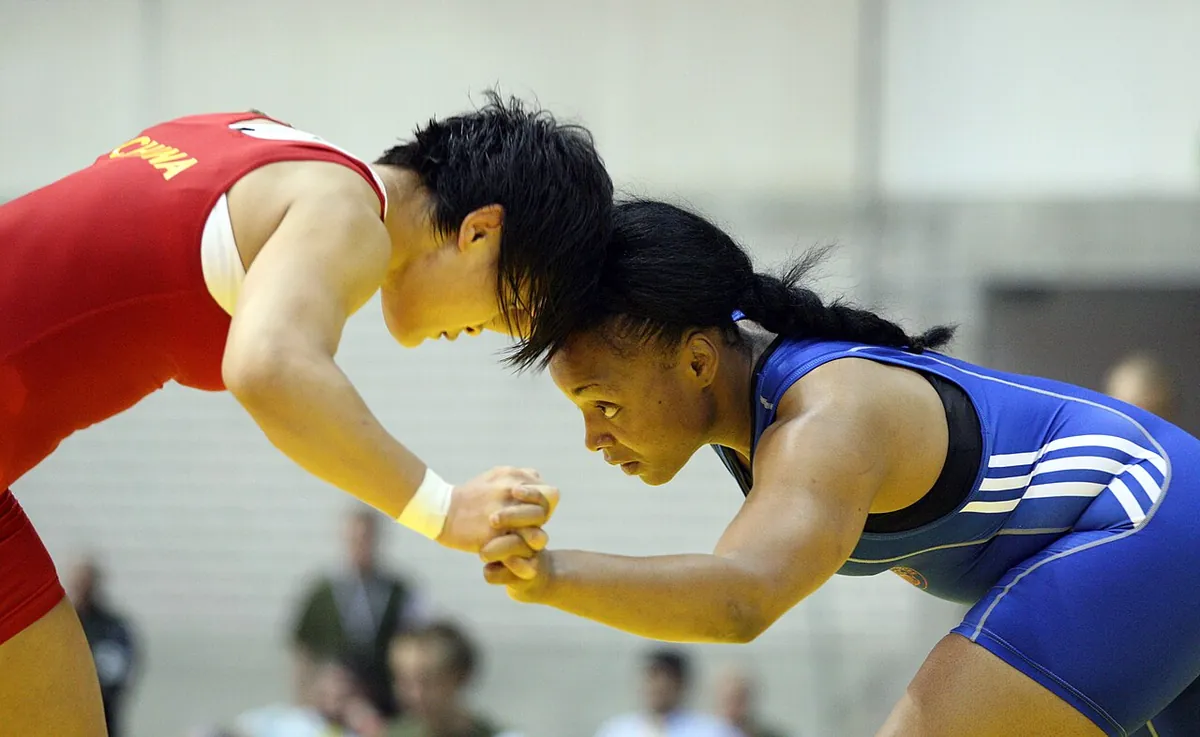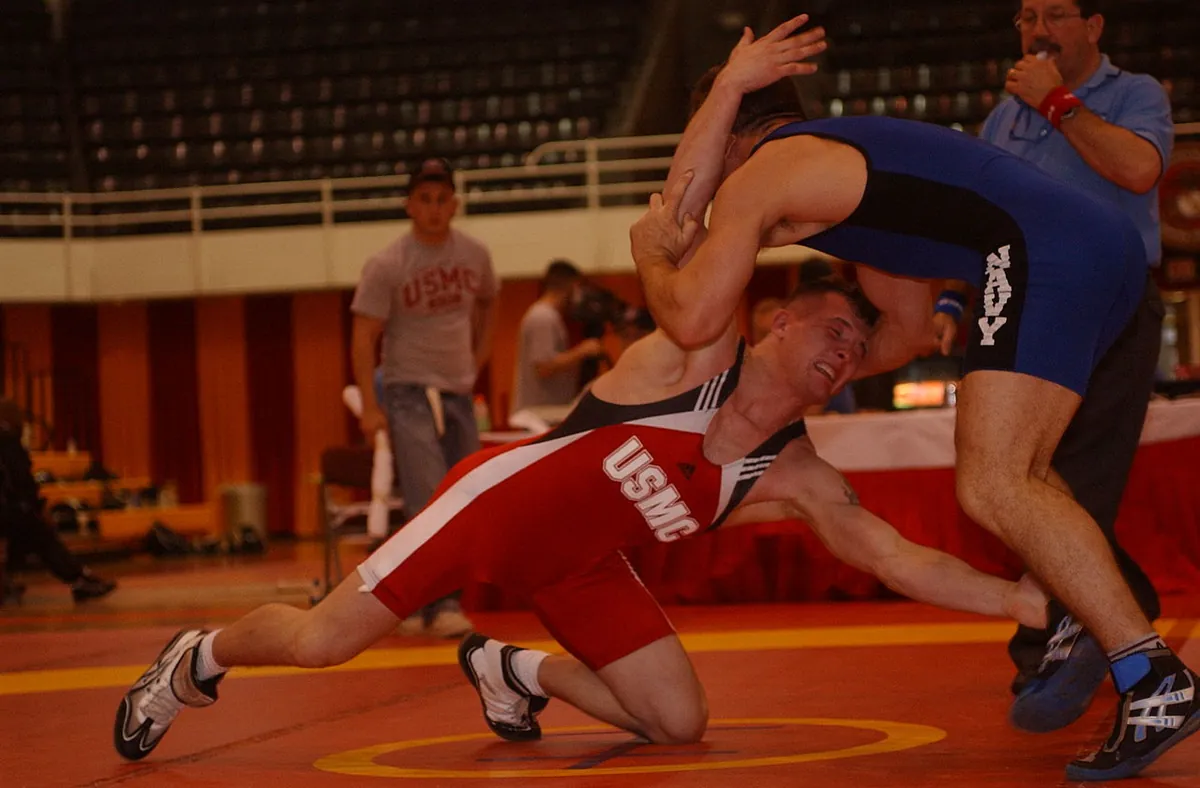
Under United World Wrestling rules, freestyle allows regulated techniques involving the legs. Greco-Roman prohibits holds below the waist and the corresponding active use of the legs in attack. Olympic women's wrestling follows the freestyle framework. Both pursue legal control and scoring, so Greco-Roman should not be described merely as slower freestyle.
Rules shape the approach
Freestyle wrestlers must protect their legs and manage body height because leg attacks are available. Greco-Roman opportunities arise primarily through upper-body contact, grips and movement. Identify whether the contest concerns arms, torso or legs before interpreting the stance. A familiar freestyle technique is not automatically legal in the other style.
Similar outcomes, different routes
Both styles can produce a takedown or continue into ground control, but the legal sequence can differ. Large-amplitude throws are not the only way to score; smaller positional changes can establish useful control. Follow the complete action and referee signals instead of treating the height of every throw as the principal measure of quality.
Where women's wrestling fits
Olympic women's wrestling uses the freestyle framework rather than a third unrestricted style. Event lists often place it alongside men's freestyle and men's Greco-Roman, which can confuse new viewers. Recognise the common leg-use principle while still consulting the relevant age, category and event provisions. Separate programme labels do not always mean entirely separate technical systems.