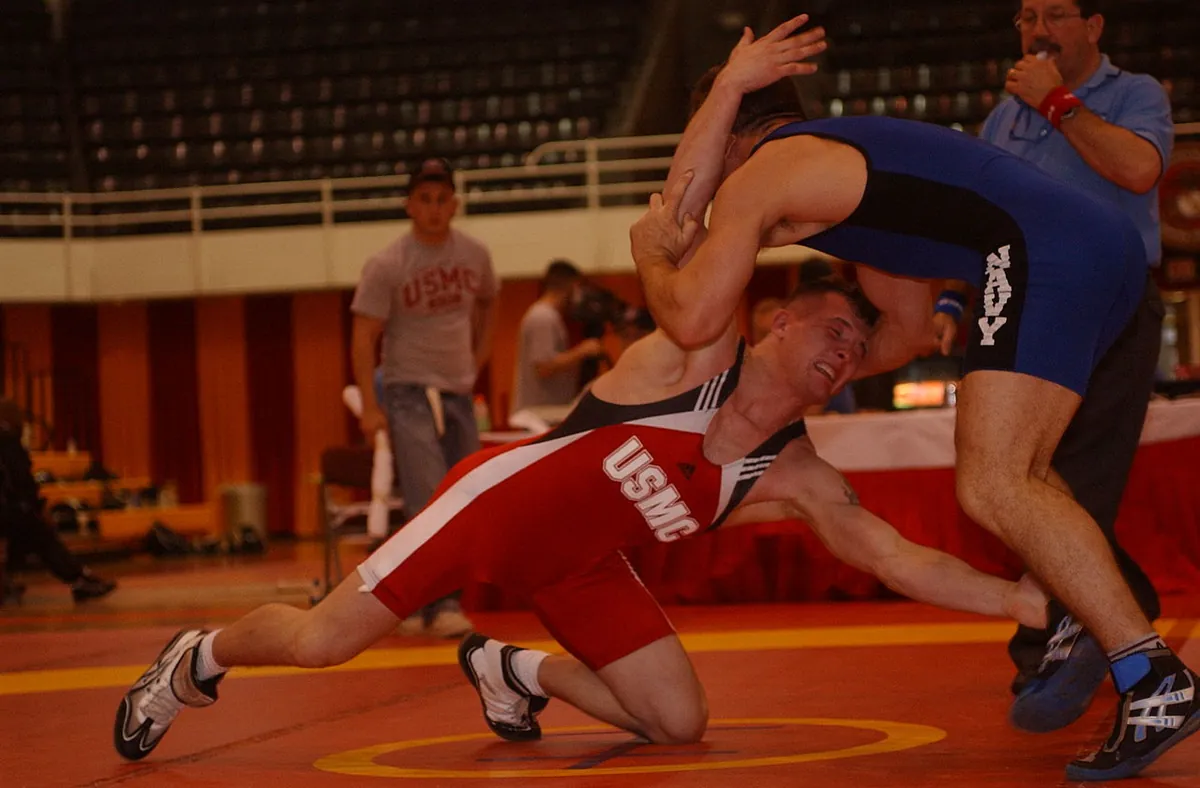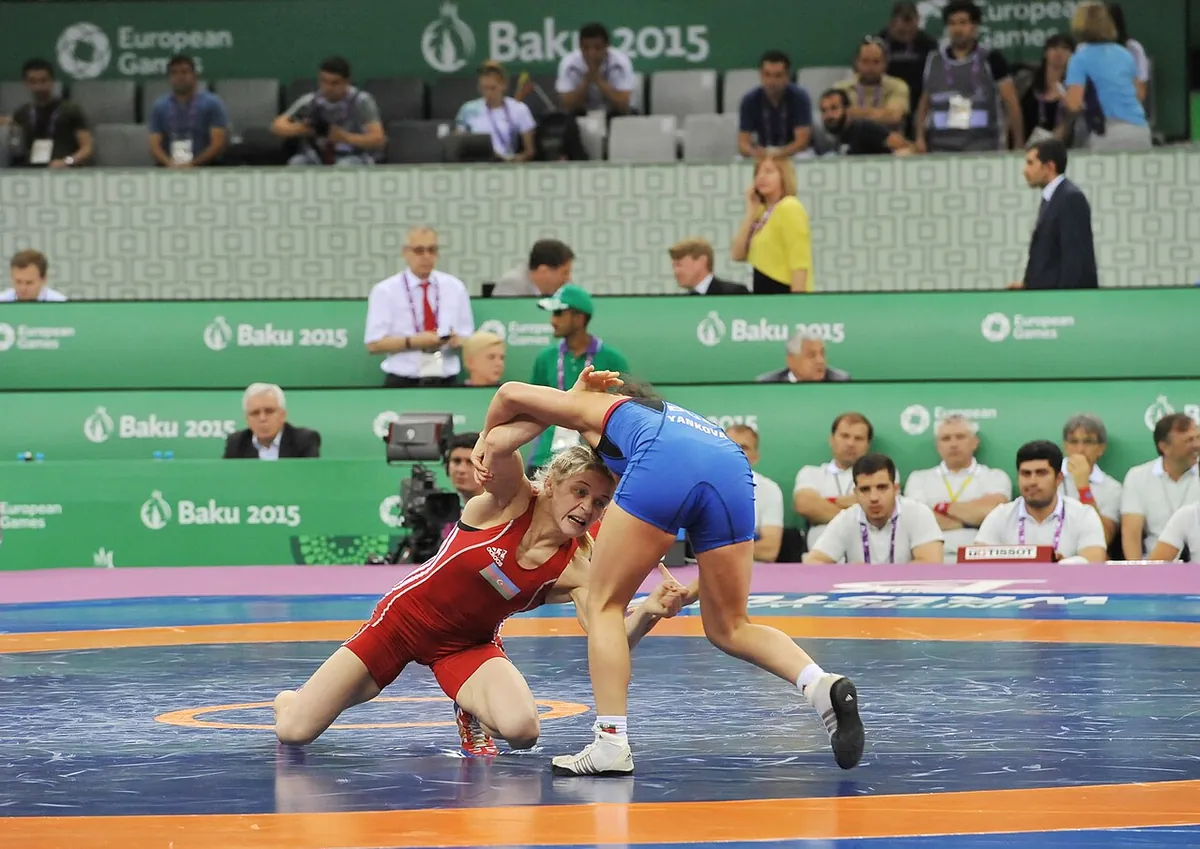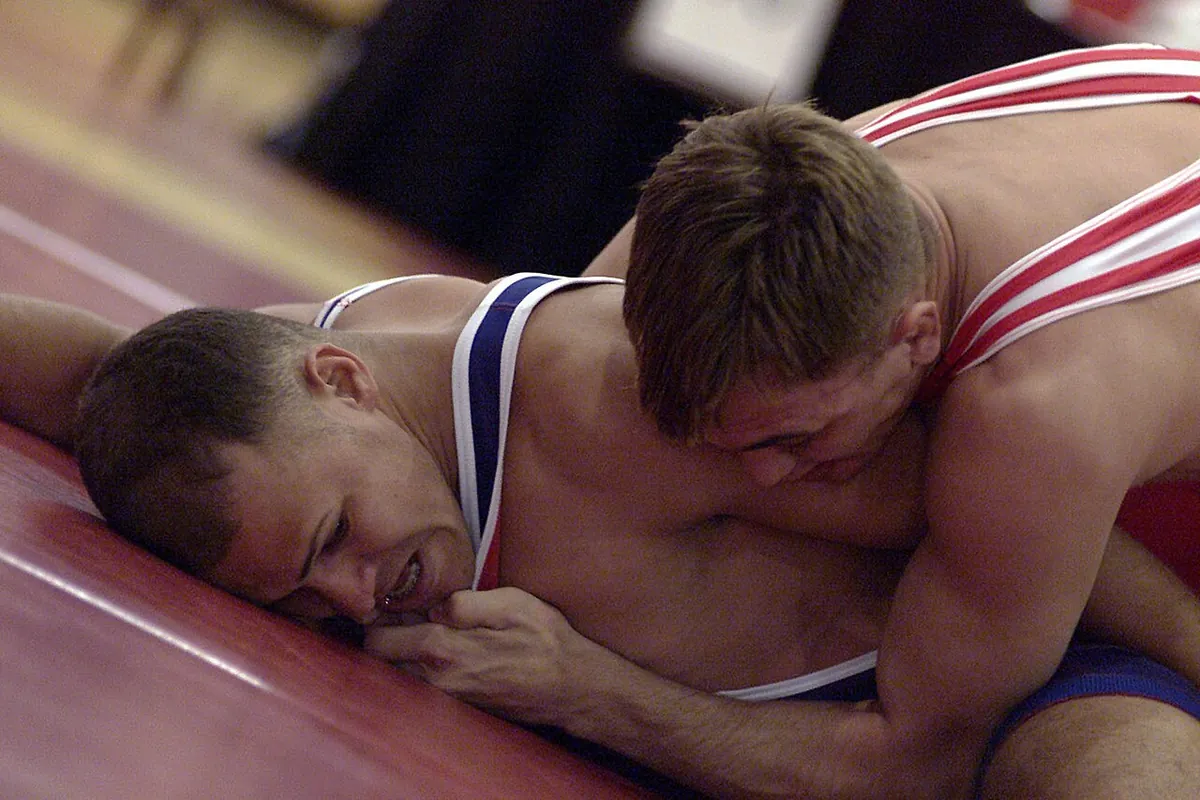
Wrestling uses a defined competition area and surrounding zones. UWW rules determine the treatment of exits and related technical actions. A return to the centre does not necessarily erase what happened beforehand. Connect the beginning of the action, the athletes' movement and the referee's instruction when interpreting an exchange at the edge.
The edge changes the available directions
The athlete being driven outward has less room to retreat and may need to turn, counter or recover position. The advancing wrestler must still act legally. Look for a genuine technical attack and how the feet cross the markings. Different causes can produce similar final positions, so who ends up outside is not the whole explanation.
A pause may follow a score
An action can produce points or a penalty before the restart. A camera change may hide the referee's gesture, making the scoreboard and official explanation useful checks. Establish the stated reason before discussing a disputed boundary decision. Only actions in the exact centre are not the sole ones capable of producing a valid result.
Distinguish position from avoidance
Being near the edge can arise from ordinary technical competition or from conduct covered by avoidance rules. Identical locations do not prove identical situations. Track who changed direction, whether an attack continued and when the command came. One image taken just before an exit cannot show the full basis for the eventual ruling.