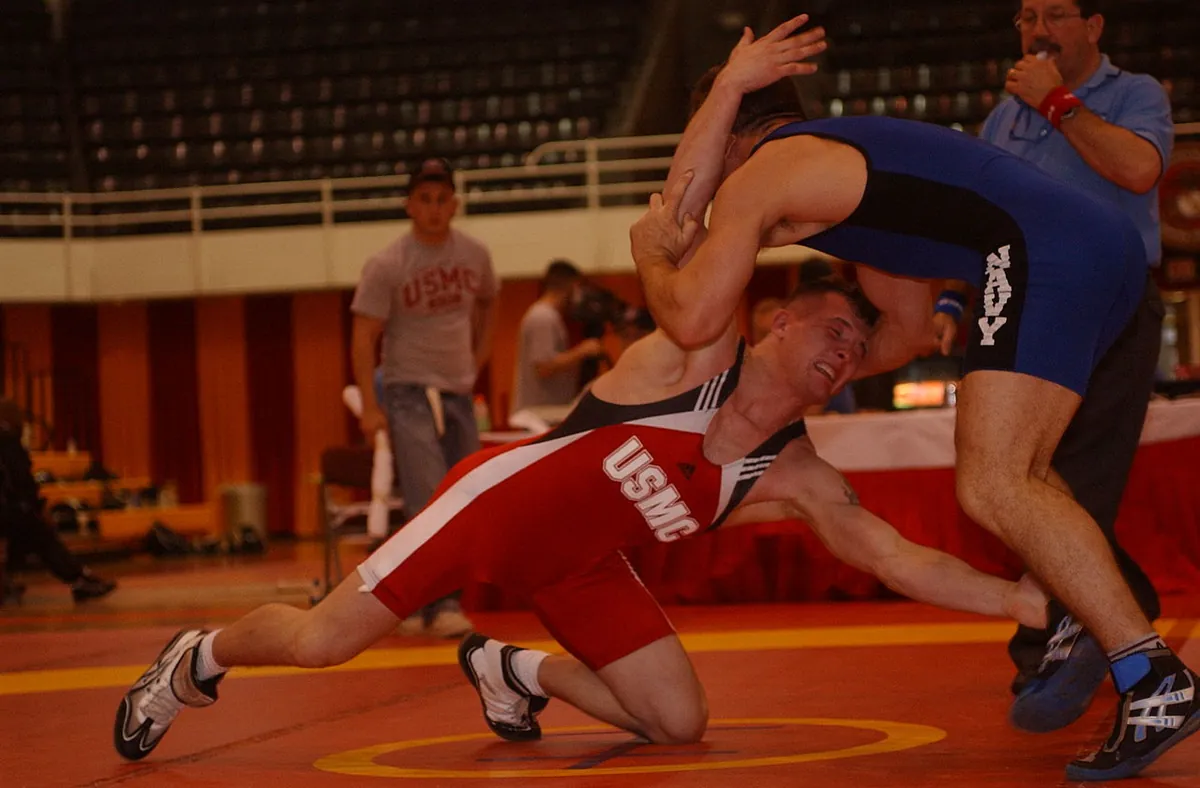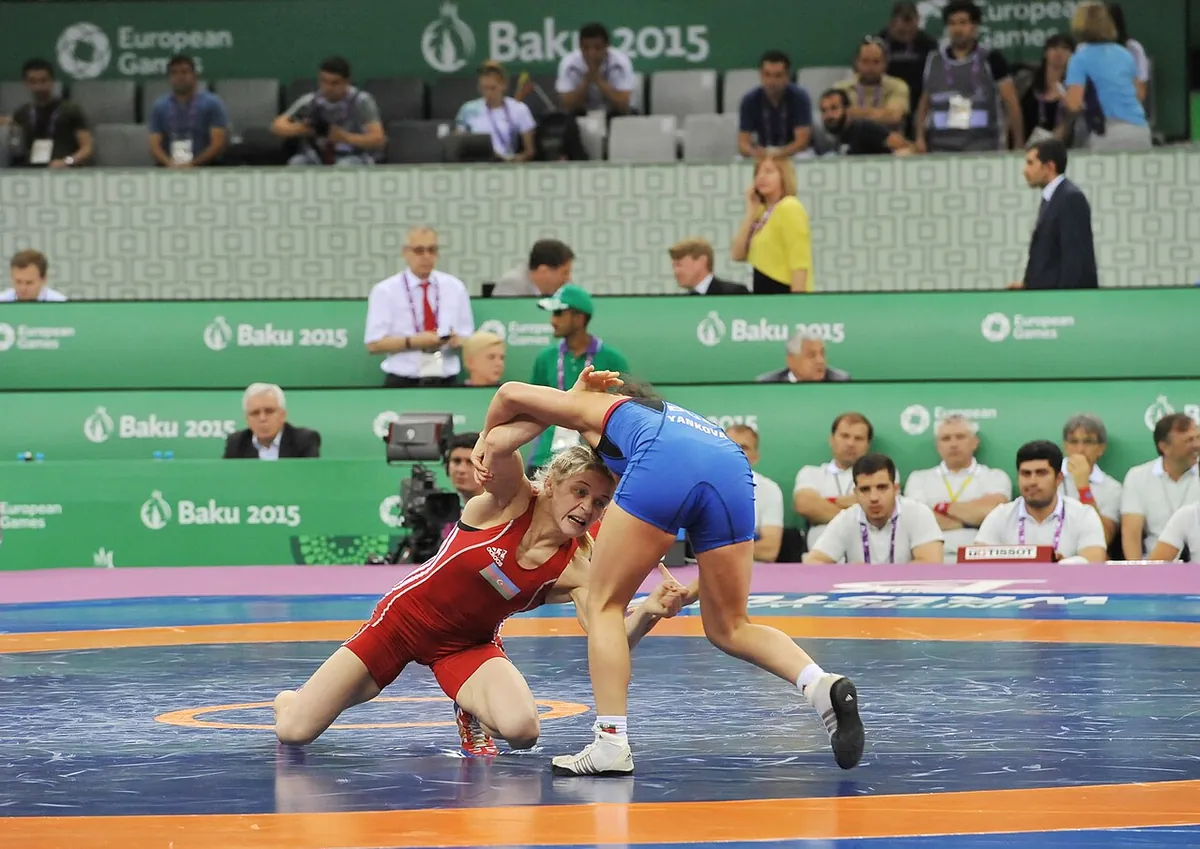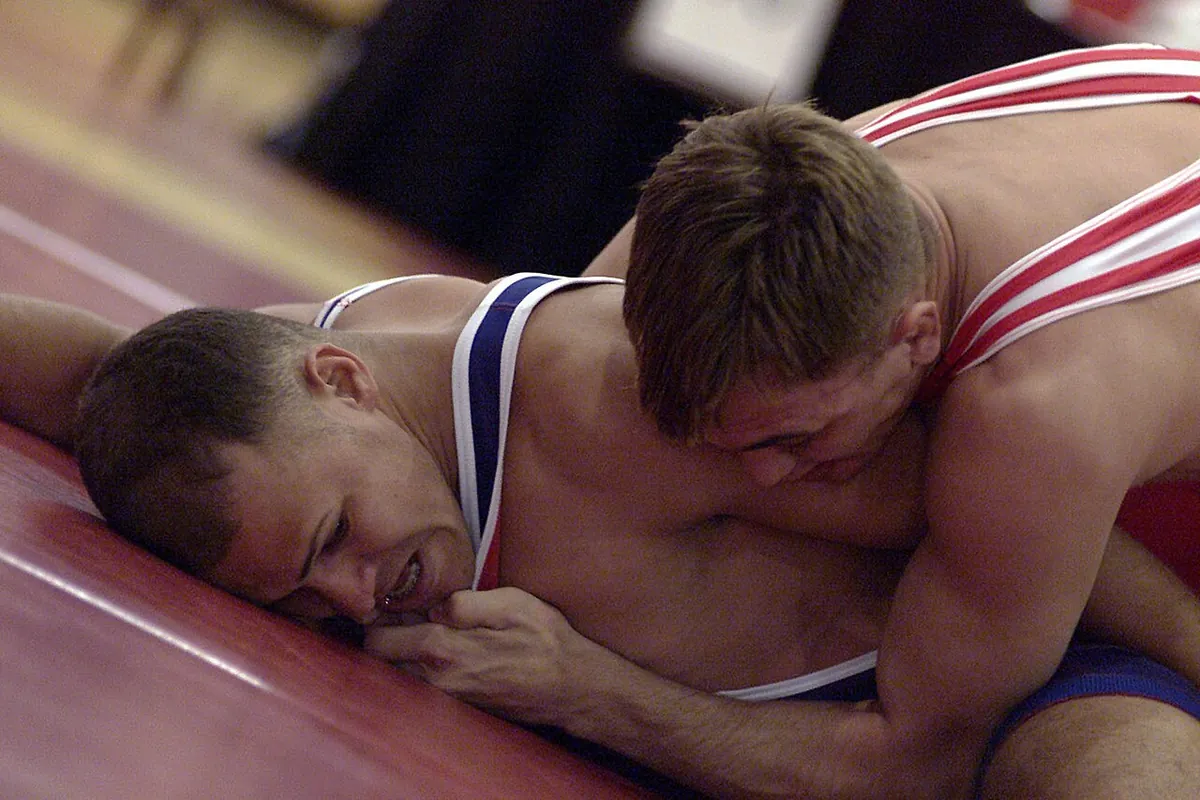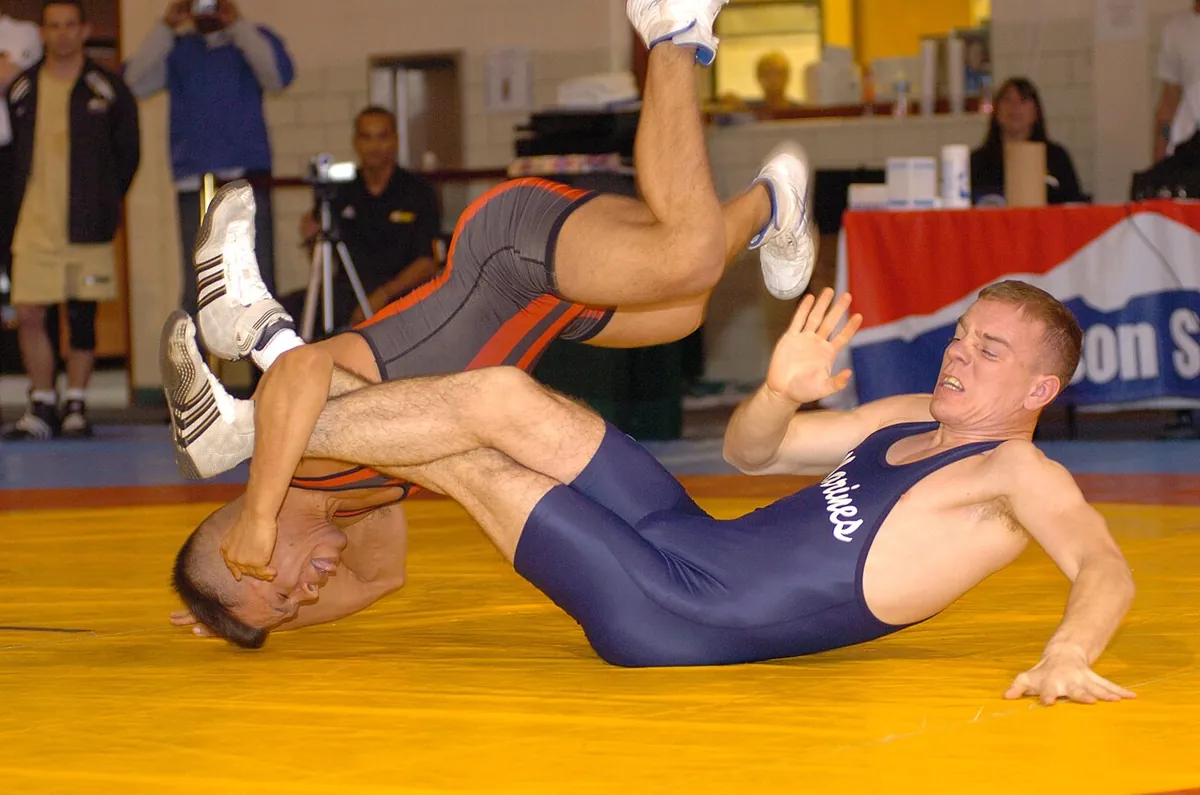
Wrestling's ground phase is commonly called par terre. The attacking athlete seeks control and exposure, while the defender tries to prevent a turn and restore position within the rules. UWW provisions govern legal action and continuation, so the contest should not be reduced to the assumption that the stronger person always turns the other.
Control and direction work together
A turn requires control of the opponent and force applied in a useful direction. The upper athlete's position and the lower athlete's support and balance both affect the outcome. Watch the relationship between the torsos instead of concentrating solely on tightly held arms. A forceful-looking effort may produce no new score if effective control does not change.
Continuation and the return to standing
Ground action can continue while effective work develops, with a restart governed by the rules and referee assessment. A viewer's impression of elapsed inactivity is not enough to demand a halt. Record which movements change the relationship and which merely maintain it, then connect the official gesture to the phase that follows.
Top and bottom are assigned tasks
A ground starting position can arise from the preceding action or the competition procedure. Being underneath does not prove inferior physical strength. Evaluate whether the defender prevents effective exposure and whether the attacker creates it. This task-based perspective reveals more than judging advantage from the static image of one athlete above the other.