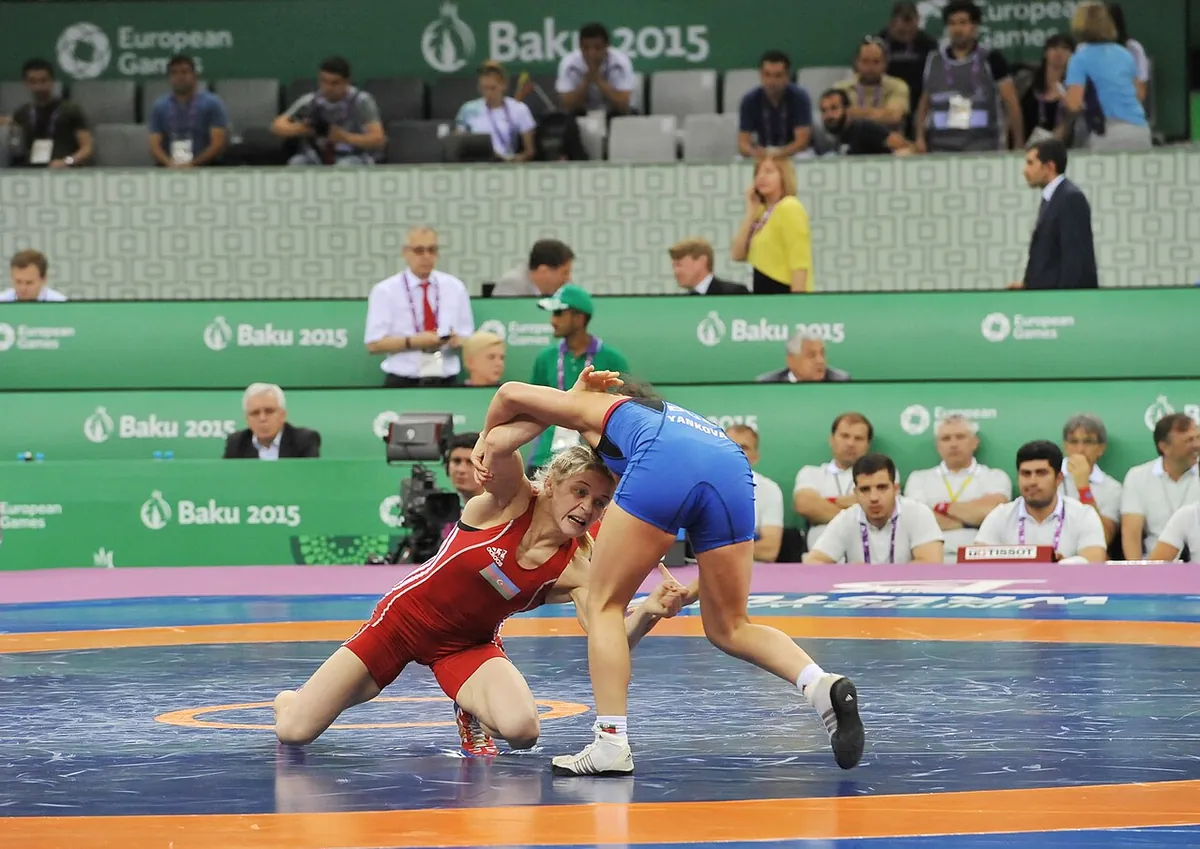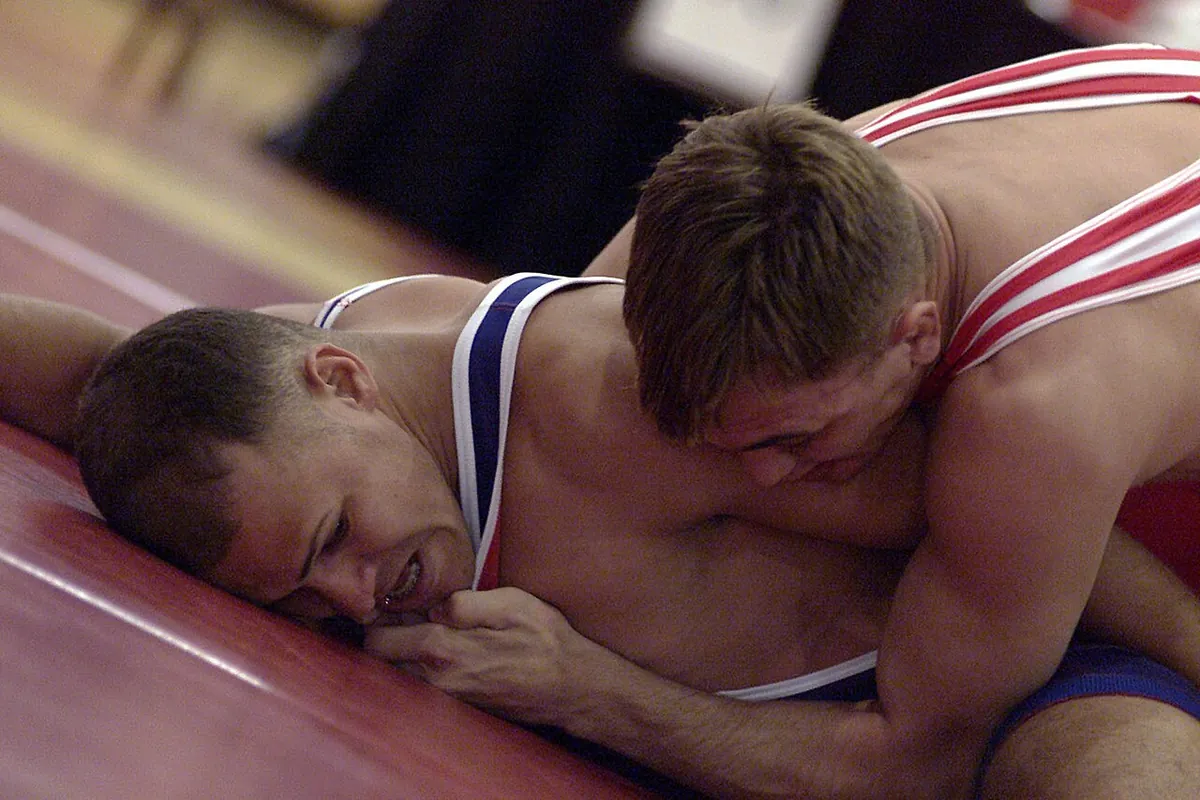
UWW rules address passivity through procedures intended to keep the contest active. Freestyle and Greco-Roman do not use identical provisions, so establish the style first. Initiative cannot be assessed merely by counting hand movement, pulling or entries; the question is whether those actions constitute meaningful attempts to compete.
Why the referee intervenes
Prolonged gripping without effective action or preventing engagement can attract attention. A reminder does not necessarily create the same immediate score consequence every time. Follow the calls, gestures and relevant timing indications in their context. Not every intervention is an identical penalty, and an unchanged score does not mean that the instruction has no competitive significance.
Preserve differences between styles and periods
Passivity procedures and any resulting ground arrangement can differ between freestyle and Greco-Roman, and rules can change over time. Avoid judging old footage through the wrong style's expectations. Explain how a decision changes the next phase's conditions before interpreting why an athlete increases attacks, changes a grip or selects another route.
Leading does not remove the obligation
A leader can choose an appropriate level of risk while still meeting the requirements for active engagement. Managing rhythm and merely preventing the contest from developing are not identical. Read the gap, remaining time and actual attempts together. Protecting a lead cannot justify everything, but neither does every cautious movement amount to passivity.