Czech climber Adam Ondra is known both for international competition and achievements on natural rock. These settings share technical foundations but have different objectives and methods of evaluation. Competition compares performances within a defined event. Outdoor climbing also involves the history of an individual route and discussion of its difficulty. His career offers a useful perspective on that distinction.
Success in two disciplines
Ondra won men's boulder and lead titles at the 2014 World Championships. Boulder concentrates problem-solving into shorter lines, while lead requires continuous movement and management of accumulated fatigue. Winning in both demonstrates adaptable ability, but the two disciplines should still be understood as separate tasks rather than interchangeable versions of the same contest.
Movement expresses understanding
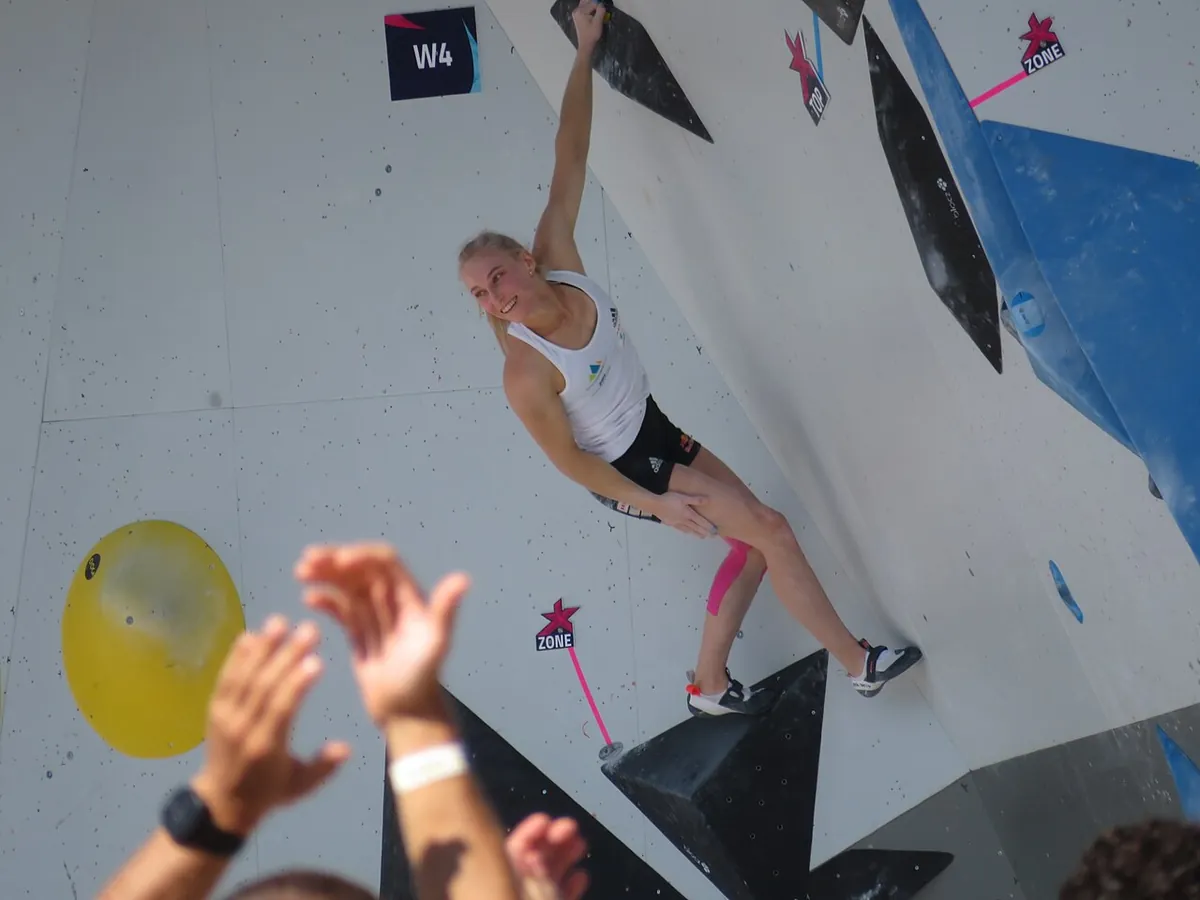
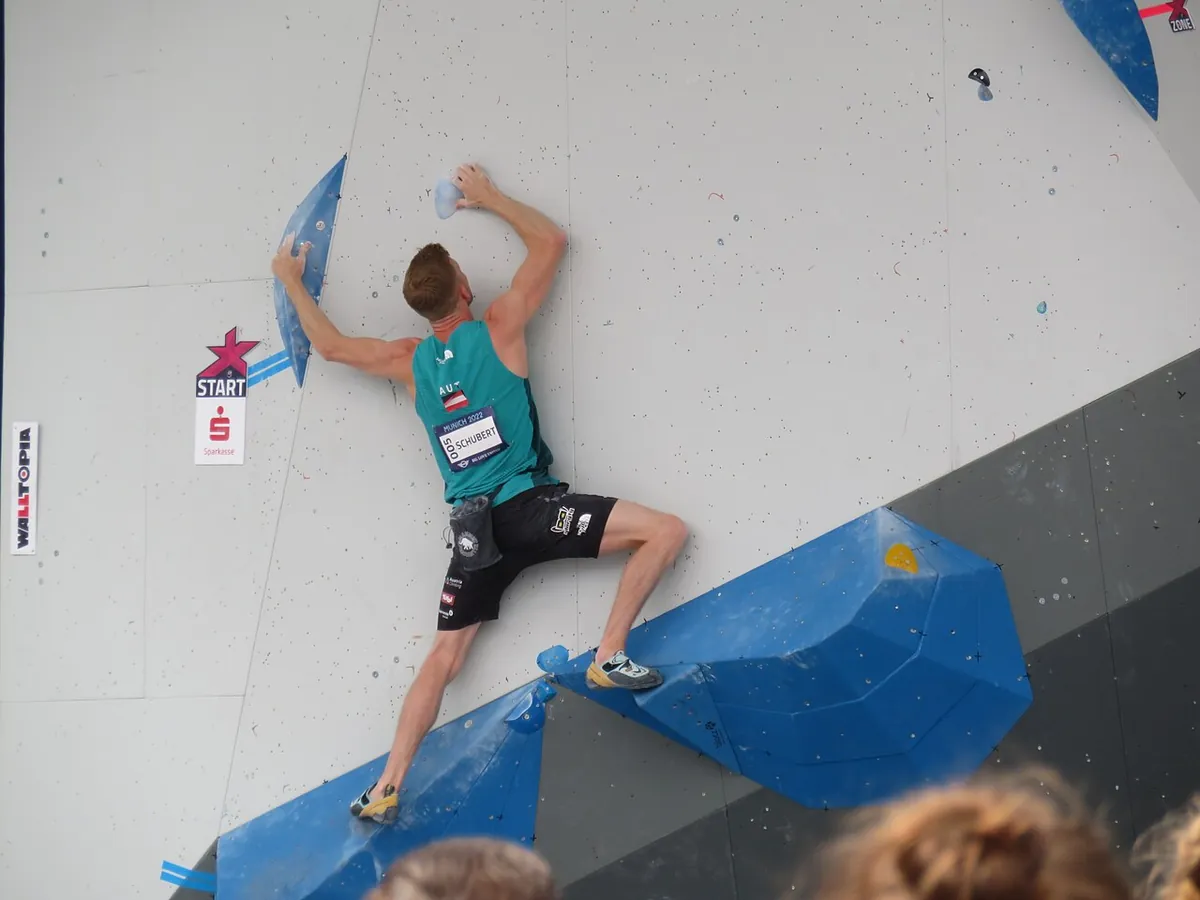
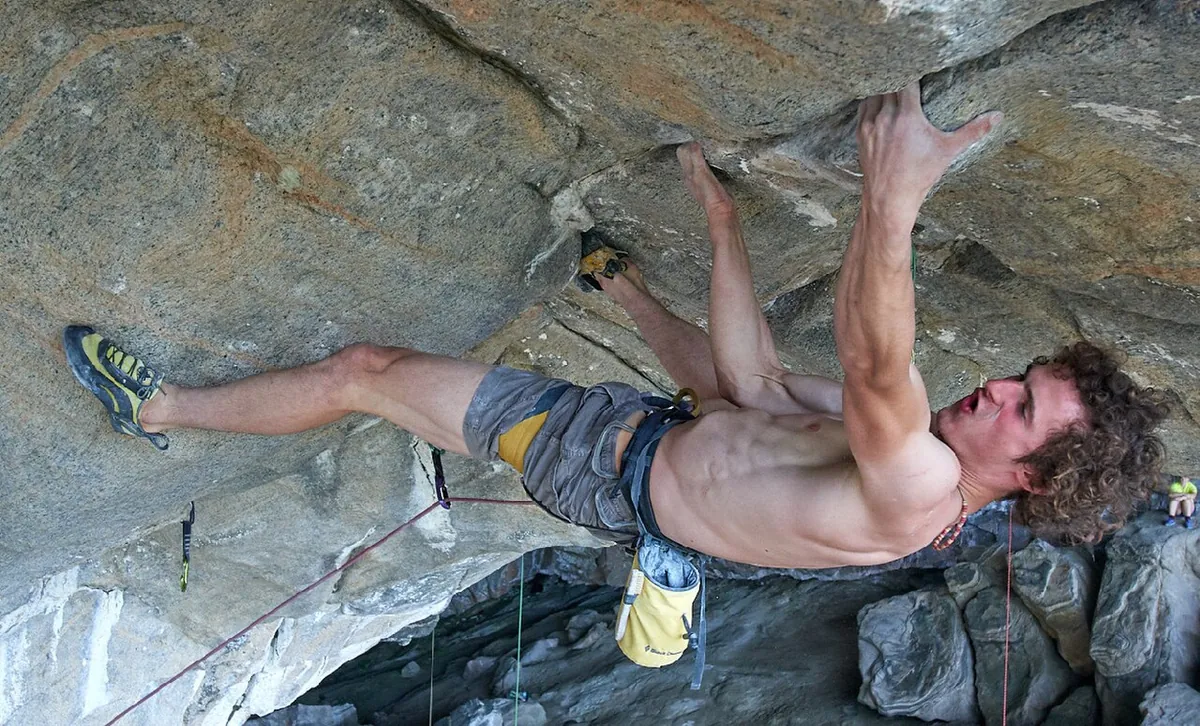
In his climbing, watch how hip rotation, foot placement and reach create usable space. An athlete's body proportions affect the solution, but they do not establish one universal sequence that everyone must follow. Competitors can choose different hand and foot orders on the same problem while each satisfying the requirement for effective control.
Outdoor grades are different measures
The difficulty grade of a natural route involves a proposal and subsequent assessment by other climbers. It is not a direct equivalent of a competition score. When discussing an outdoor achievement, identify the route and style of completion rather than converting its grade into an assumed competition ranking or guarantee of future victory.