Boulder, lead and speed climbing organise movement in different ways. All take place on artificial climbing structures in competition, but their objectives, route conditions and use of time differ substantially. This guide follows the international federation's discipline framework. Precise scoring and round arrangements should be checked against the applicable season and event rules.
Boulder: solve a short problem
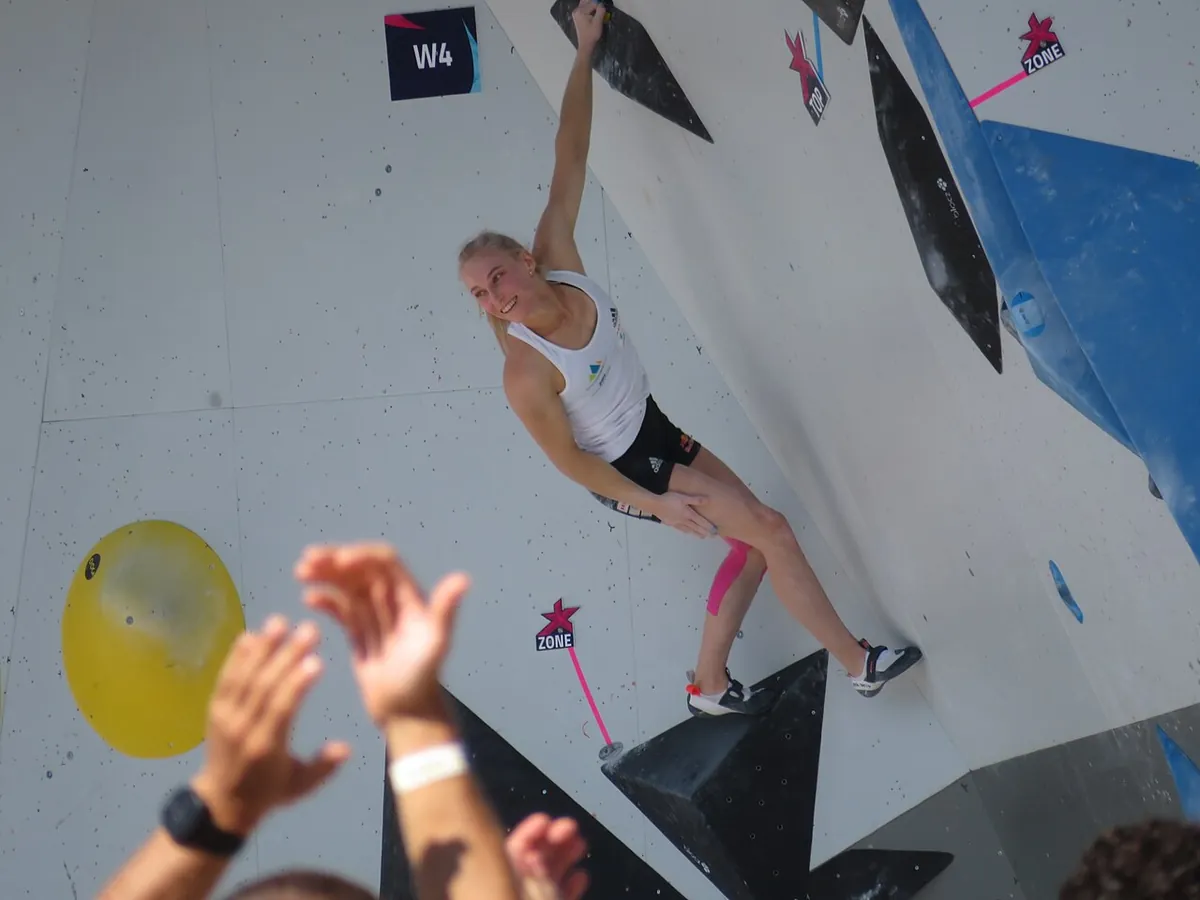
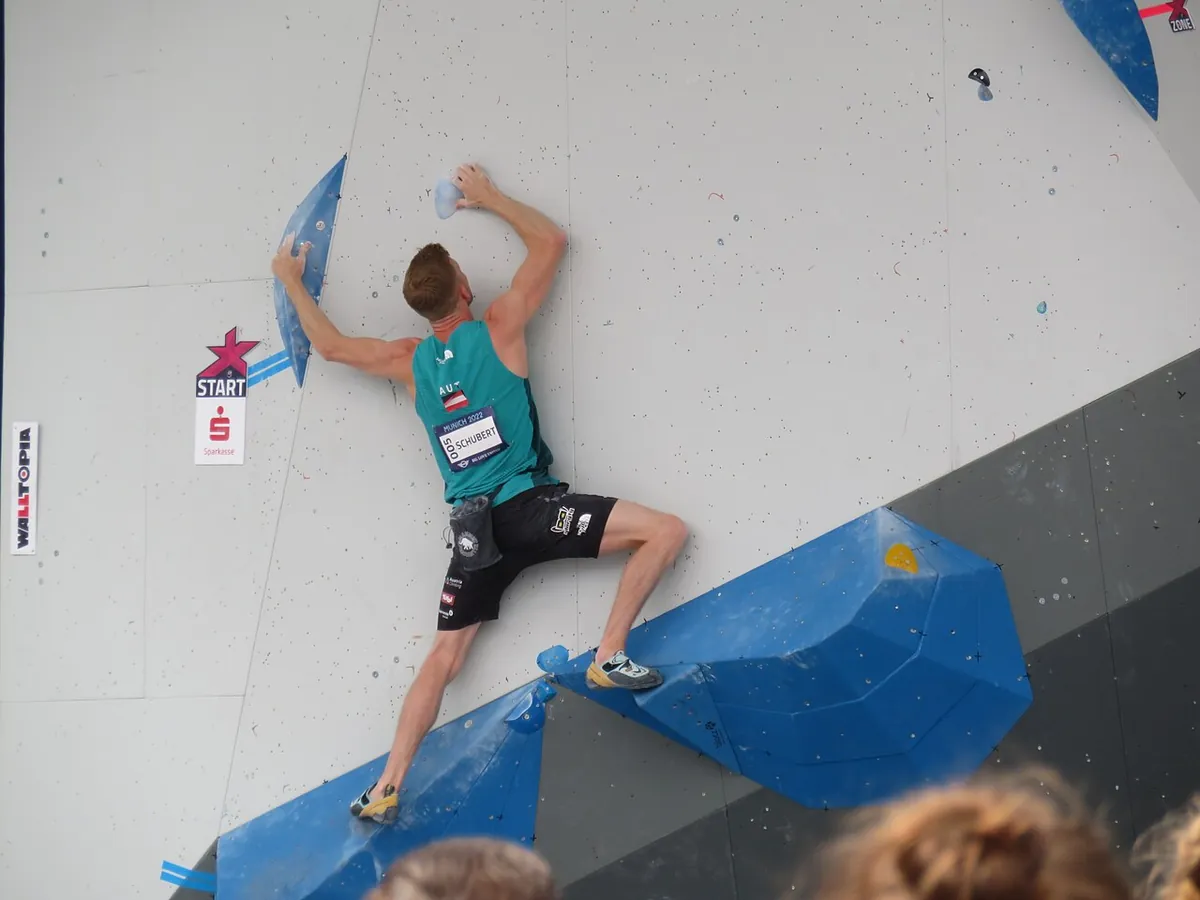
Boulder competition uses lower walls with protective landing mats. Athletes attempt problems within a time limit, encountering challenges in strength, balance and coordination. Watch for effective control of scoring holds and the top, together with the role of attempts. Simply reaching a particular height does not provide a complete account of the result.
Lead: continue upwards
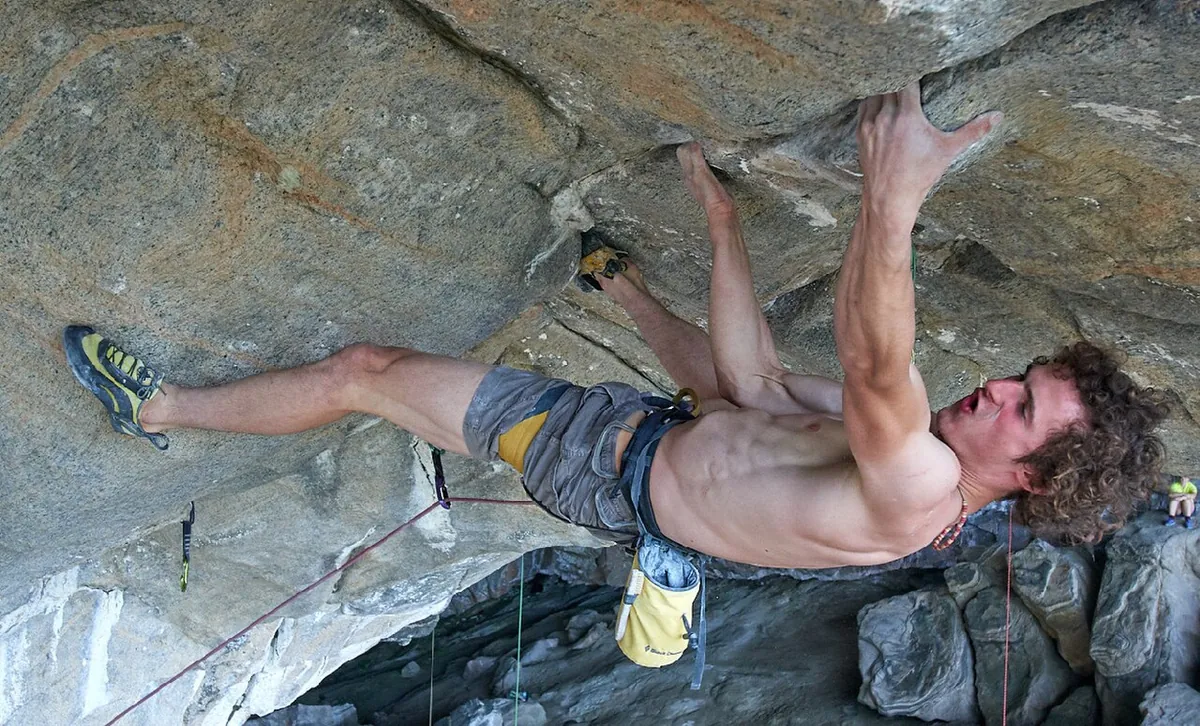
Lead uses a higher wall and rope protection. The climber follows the route and completes the required protection-related actions while trying to progress as far as possible. Sustained route reading and energy management are essential. An inefficient decision early in the climb may only become visible through fatigue much further up the wall.
Speed: repeat a standard route
Speed climbing pursues the shortest time on a standardised layout. Athletes can rehearse the movement repeatedly, but starts, foot placement and errors remain decisive. This differs from the newly set movement problems of boulder and lead. Understanding each discipline independently makes both specialist strengths and combined-event adaptability much easier to appreciate.