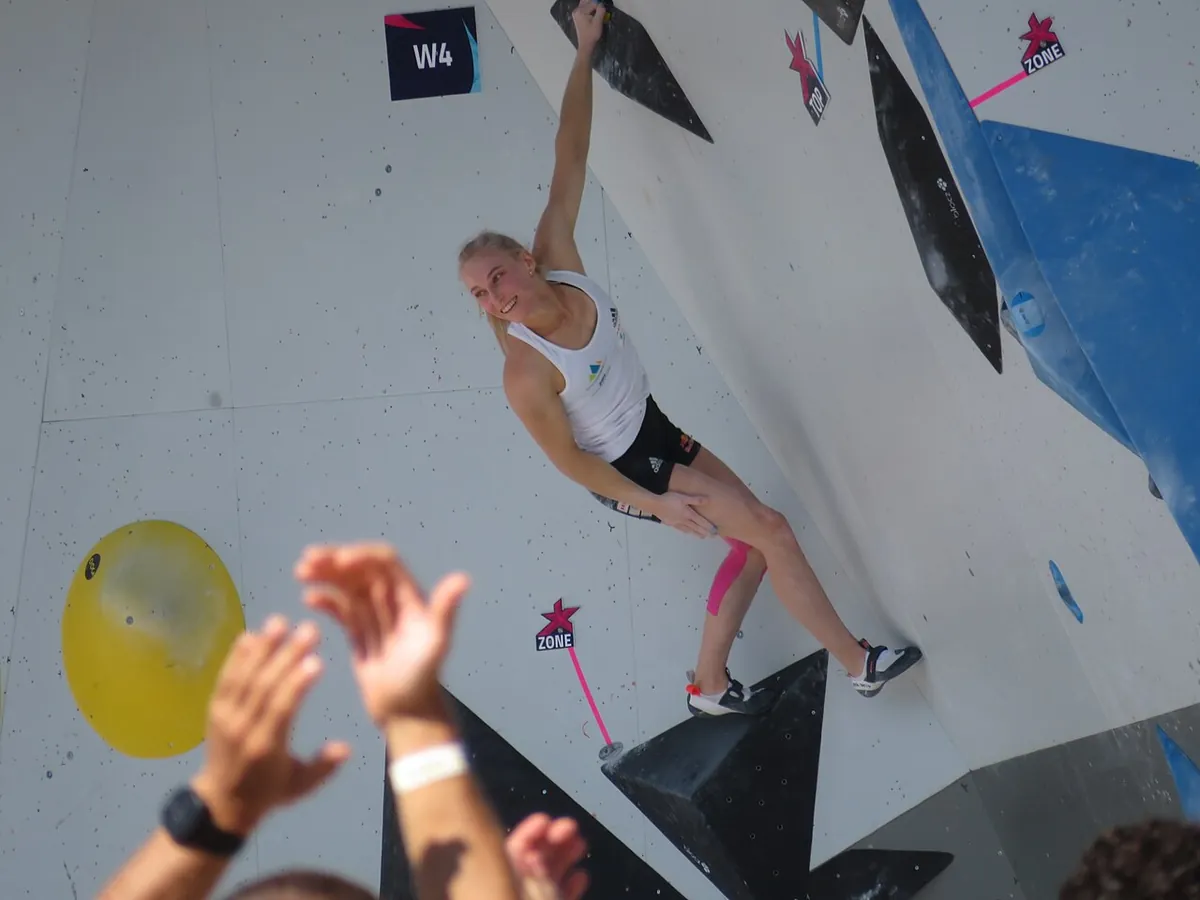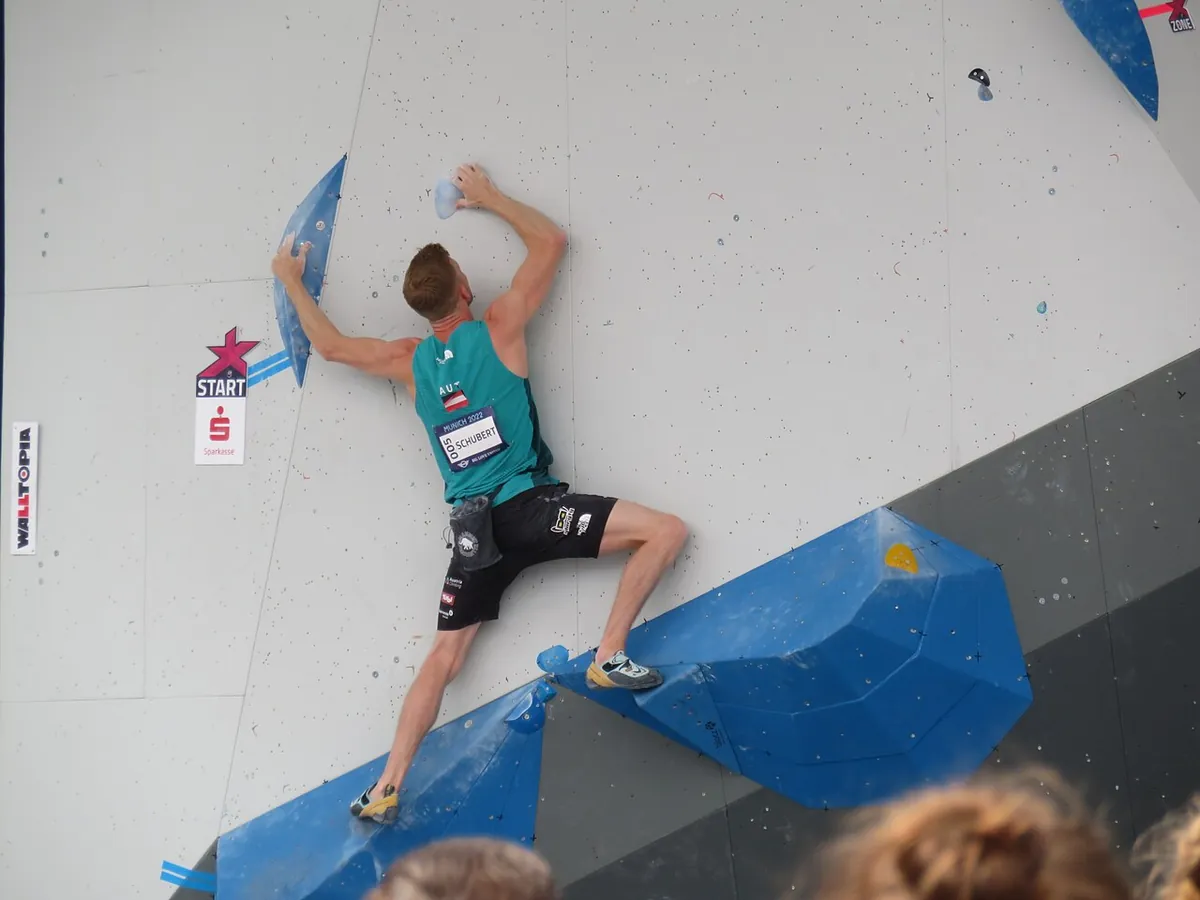
Austrian climber Jakob Schubert is known for lead climbing and his ability across combined competition. Long routes require repeated decisions about when to move, when to adjust and when to accept a risk for another hold. His performances are useful for understanding this continuity: the final movement is shaped by the technical choices and effort that preceded it.
Two Olympic bronze medals
Schubert won bronze in men's combined at Tokyo 2020 and in men's boulder and lead at Paris 2024. The two formats were different, which should remain part of any comparison. His World Championship experience also provides a setting in which to examine how technical ability and physical capacity remain effective against strong international opposition.
Finding a usable rest
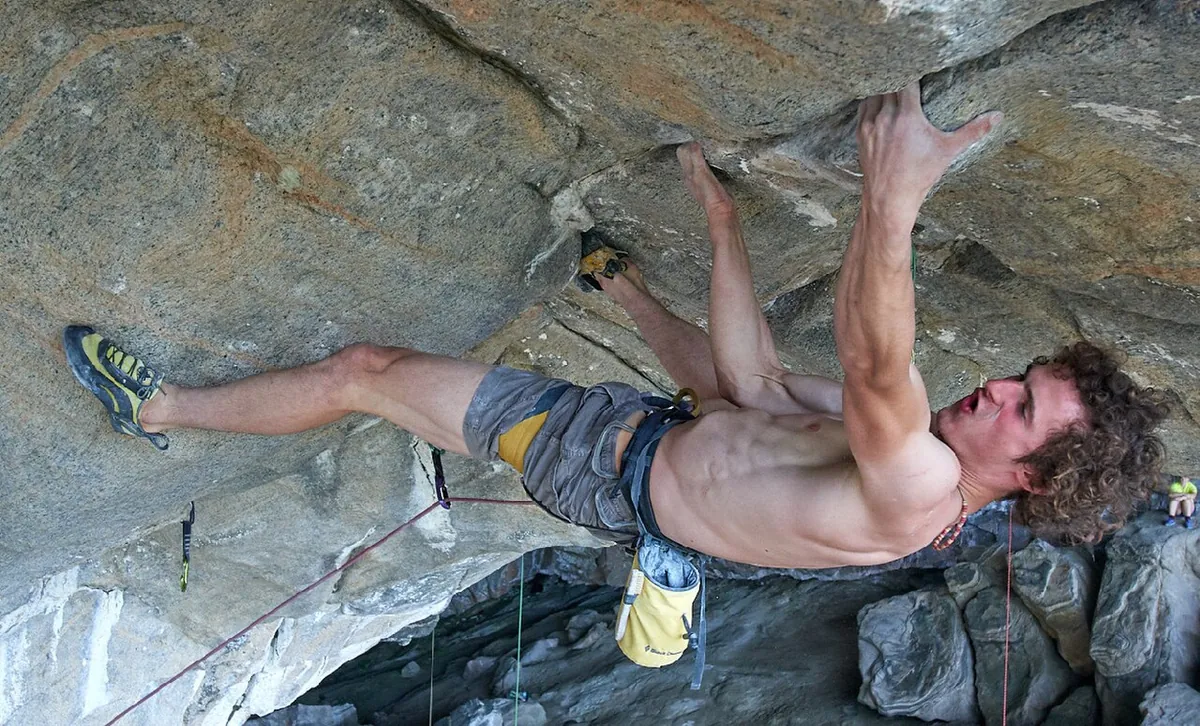
Not every position on a lead route creates the same load. Some holds permit a brief adjustment of one hand or body position; other sections reward decisive movement through them. Watch whether a pause actually establishes support and whether the climber can return to a fluent rhythm afterwards, rather than assuming every stop provides recovery.
The final movement
Near the limit of fatigue, the athlete may have to choose between maintaining secure control and attempting to advance. A gap of one hold can involve a different grip, a new foot position and a demanding body extension. Evaluate the final fall within the load of the whole route, not just the apparent simplicity of the last reach.