Recurve and compound are important bow types in international target archery. Both aim to place arrows accurately, but they use different mechanical structures and event rules. Recognising the bow type helps explain shooting distance, target face and match scoring. This introduction follows the World Archery target framework; the particular event programme must still be checked separately.
The recurve structure
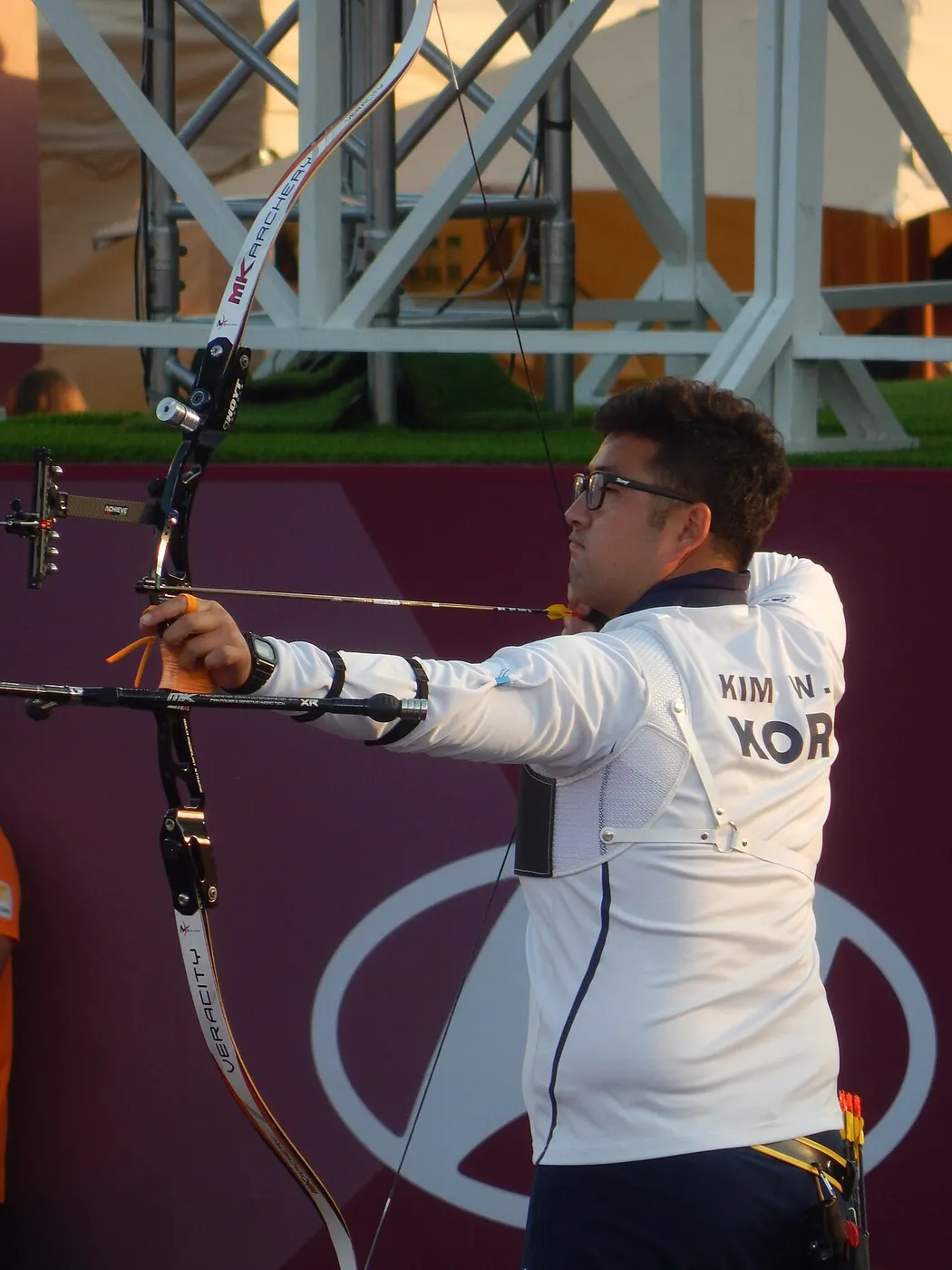
A recurve bow stores and releases energy through its limbs, with permitted aiming and stabilising equipment under the relevant rules. The archer uses the fingers to control the string, making consistency of movement important. The name refers to the limb shape, not a promise that every recurve competition uses the same distance or equipment arrangement.
The compound system
A compound bow uses a pulley or cam arrangement to alter the draw-force characteristics and commonly employs a release aid with appropriate sighting equipment. That mechanism changes the holding task but does not eliminate technical error. Stance, anchor, aim and release still need reliable execution, and demanding precision makes small variations significant.
Read the matching rules
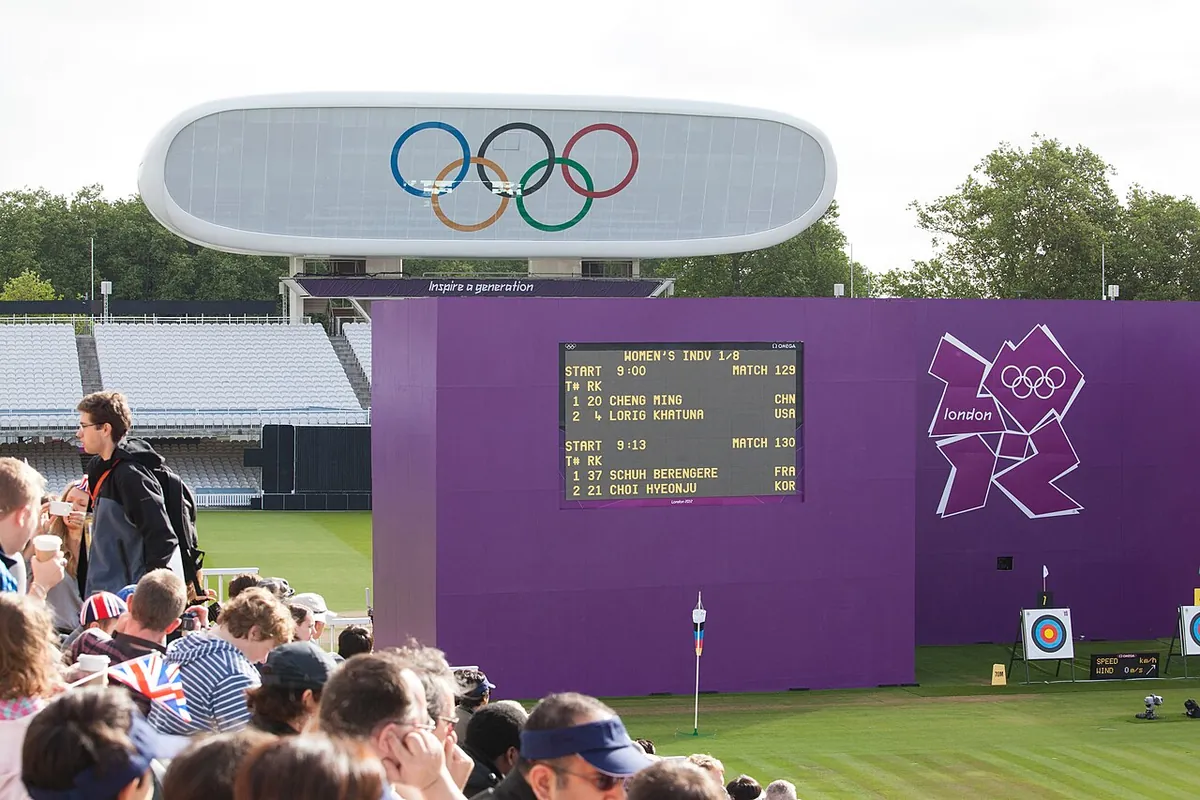
International outdoor recurve and compound events commonly differ in distance and target presentation, while matchplay may use sets or cumulative scores. The six-set-point objective of a recurve individual match should not be imported into a compound contest. Establish the bow type and format before interpreting the scoreboard.