 Archery
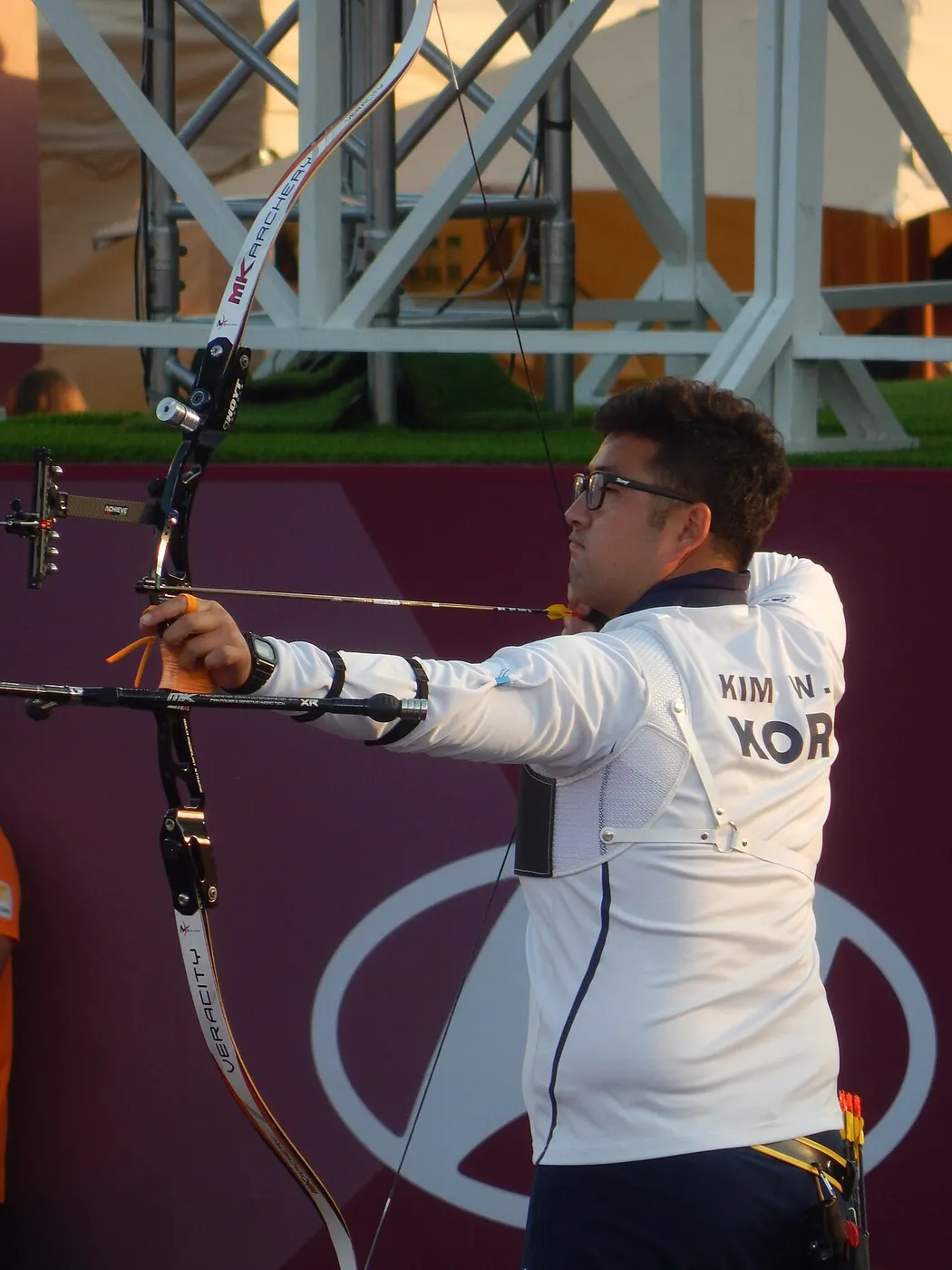
Kim Woojin: Repeatable Execution Under Pressure
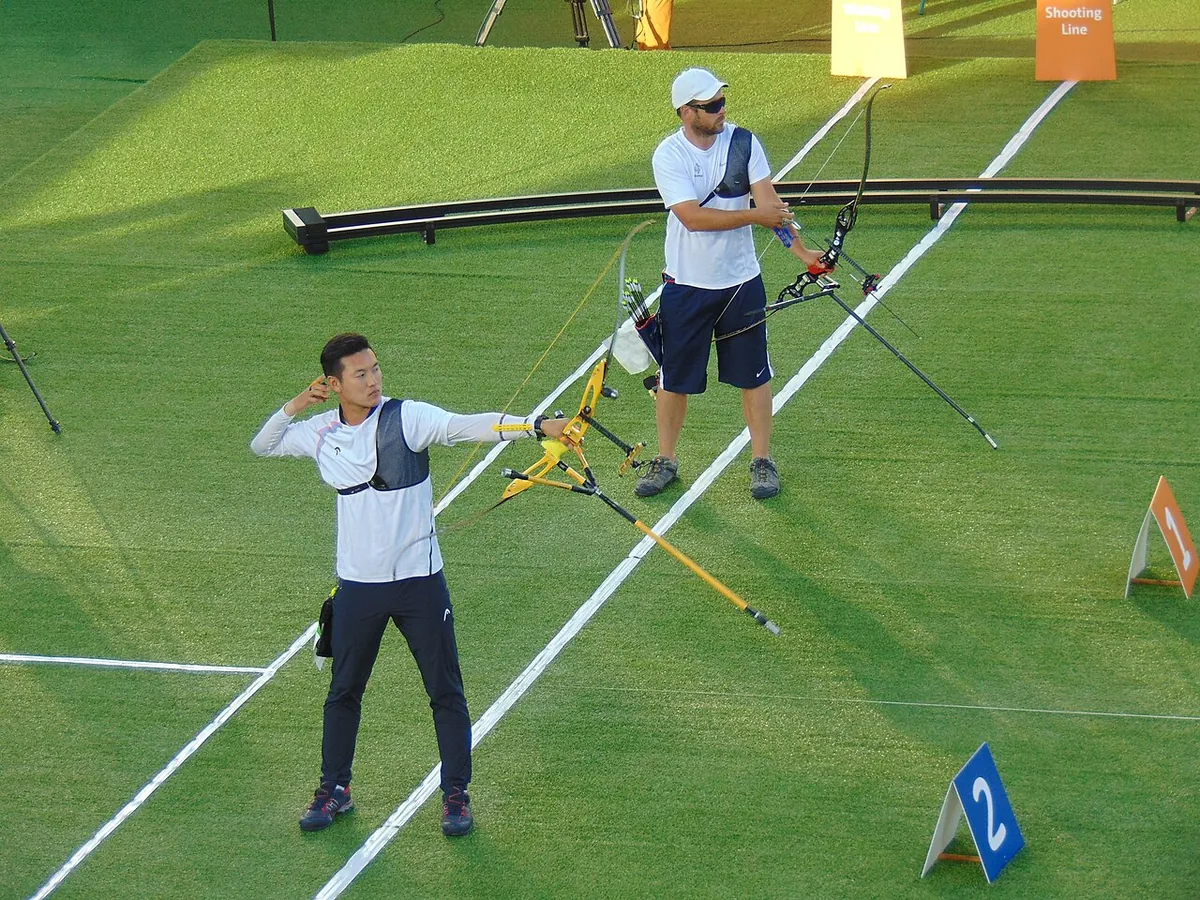
Kim's recurve performances show how technical consistency and recovery between arrows operate together in direct competition.
ArcheryKim's recurve performances show how technical consistency and recovery between arrows operate together in direct competition.
 Archery
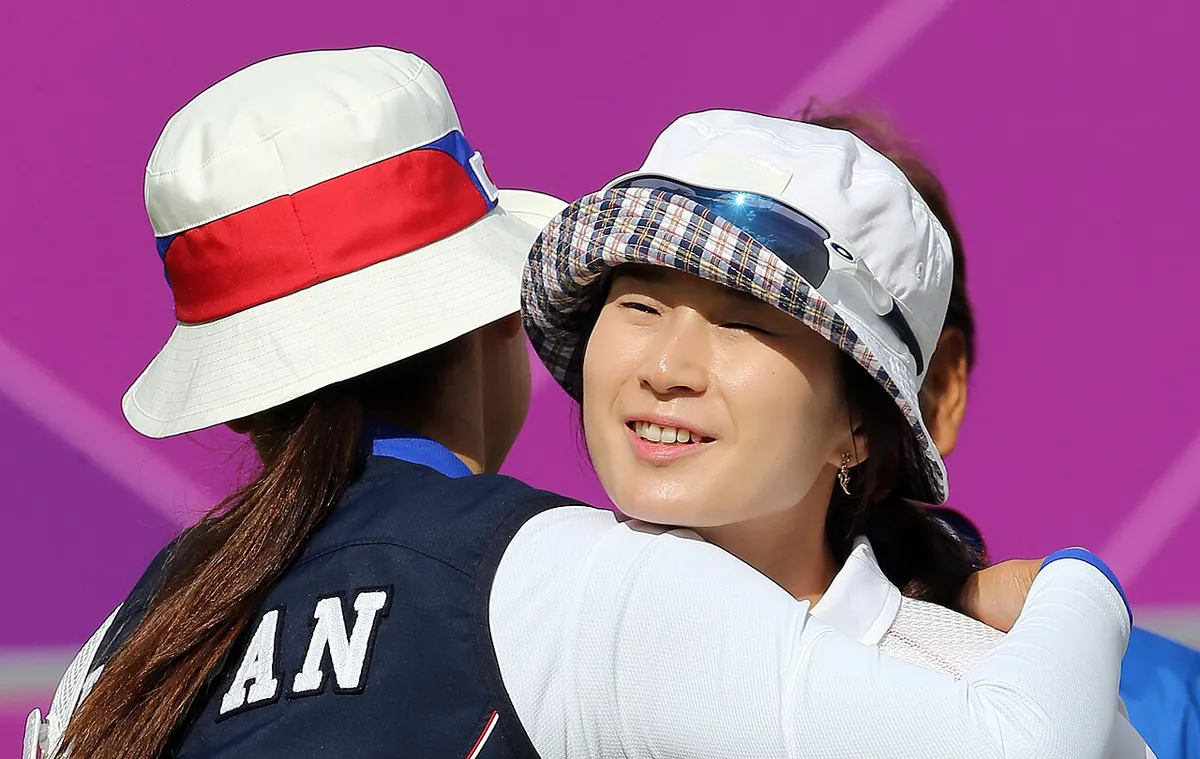
Ki's Olympic career connects precise recurve technique with the coordination required when the clock belongs to a team.
 Archery
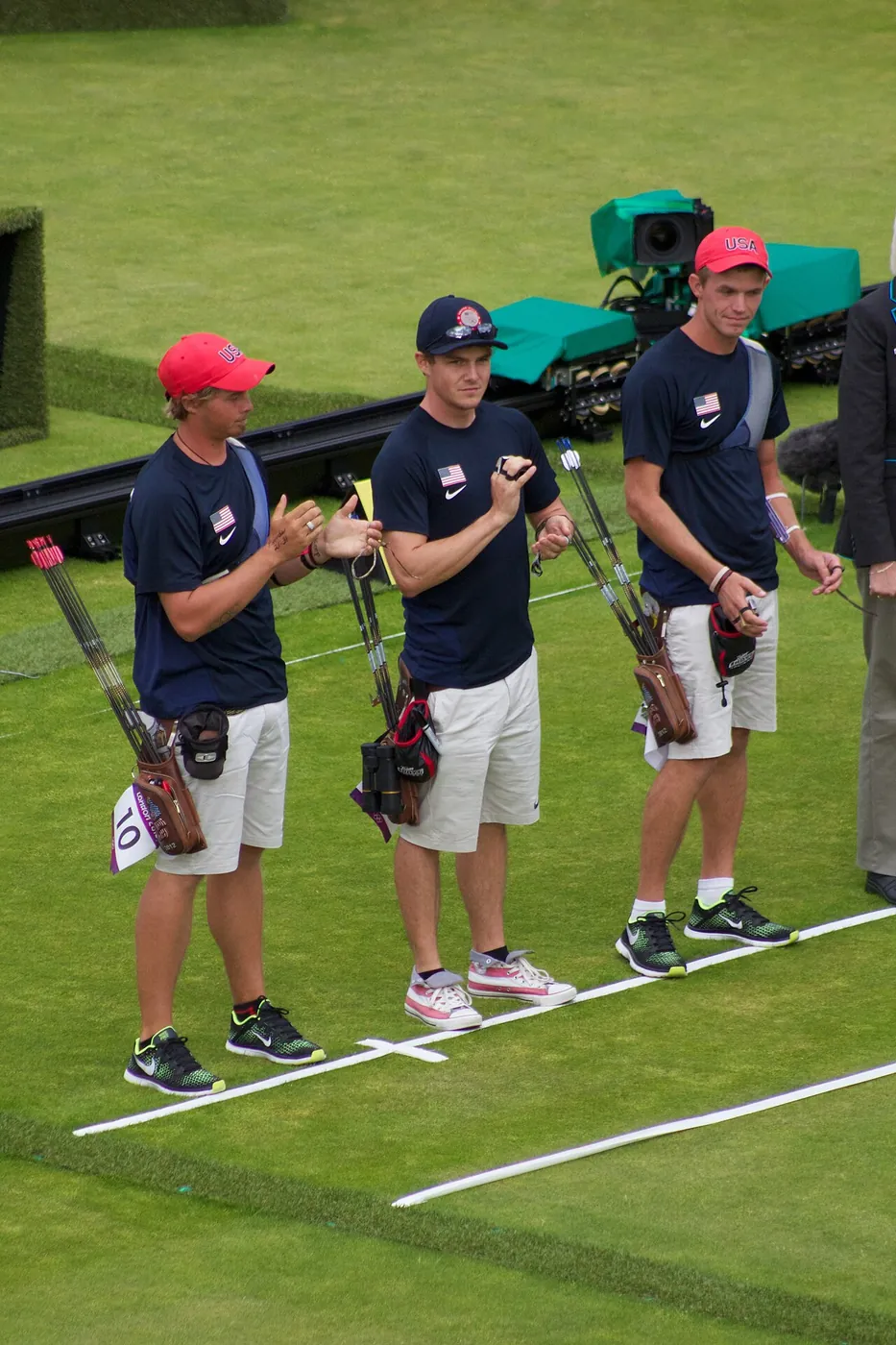
Ellison's recurve career highlights individual technical style and the challenge of preserving it in close contests.
 Archery
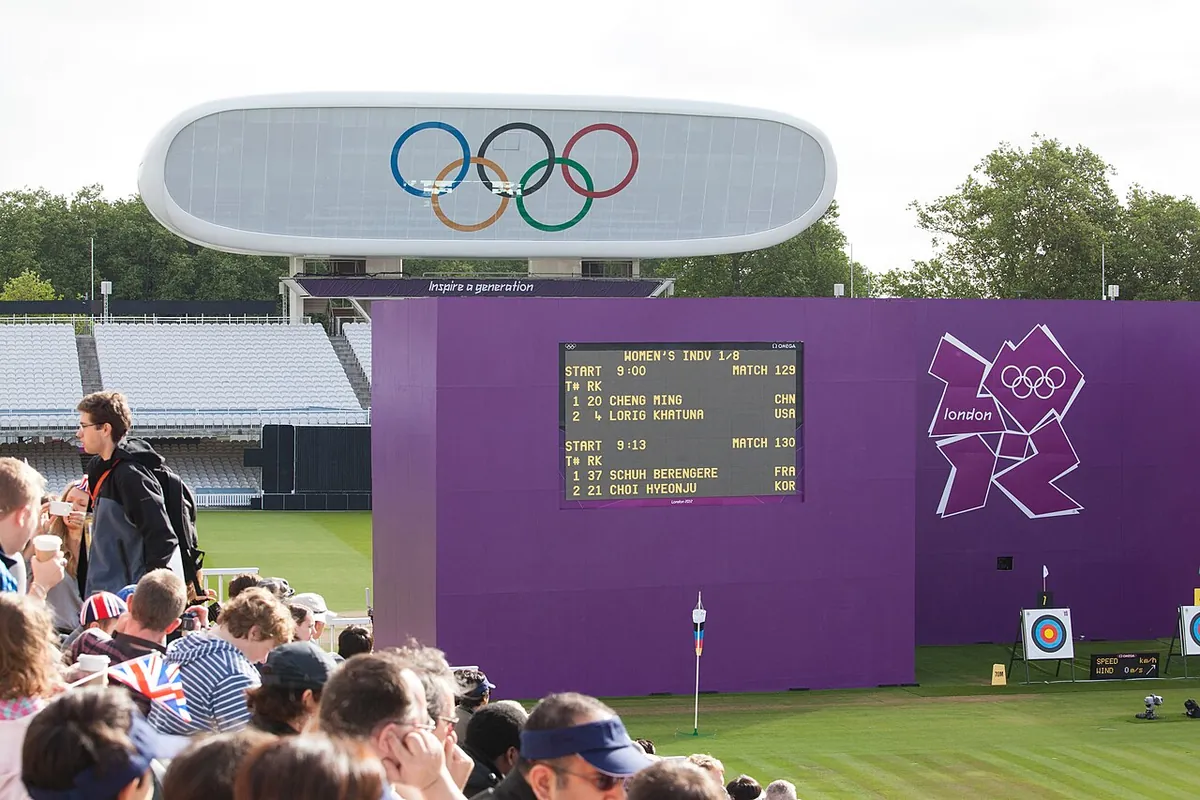
Different mechanisms and competition rules create distinct precision tasks for the two major target-archery bow types.
 Archery
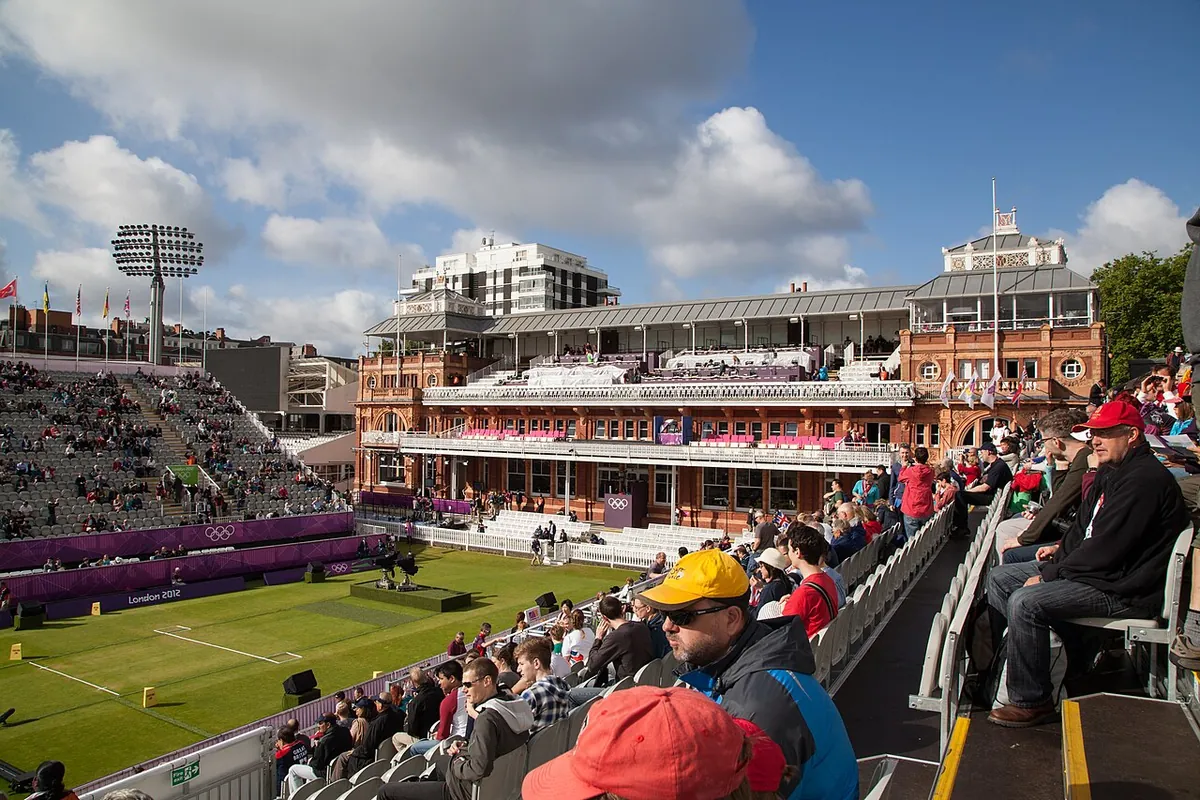
Each set creates its own contest, so the distribution of an archer's points matters as much as the aggregate.
 Archery
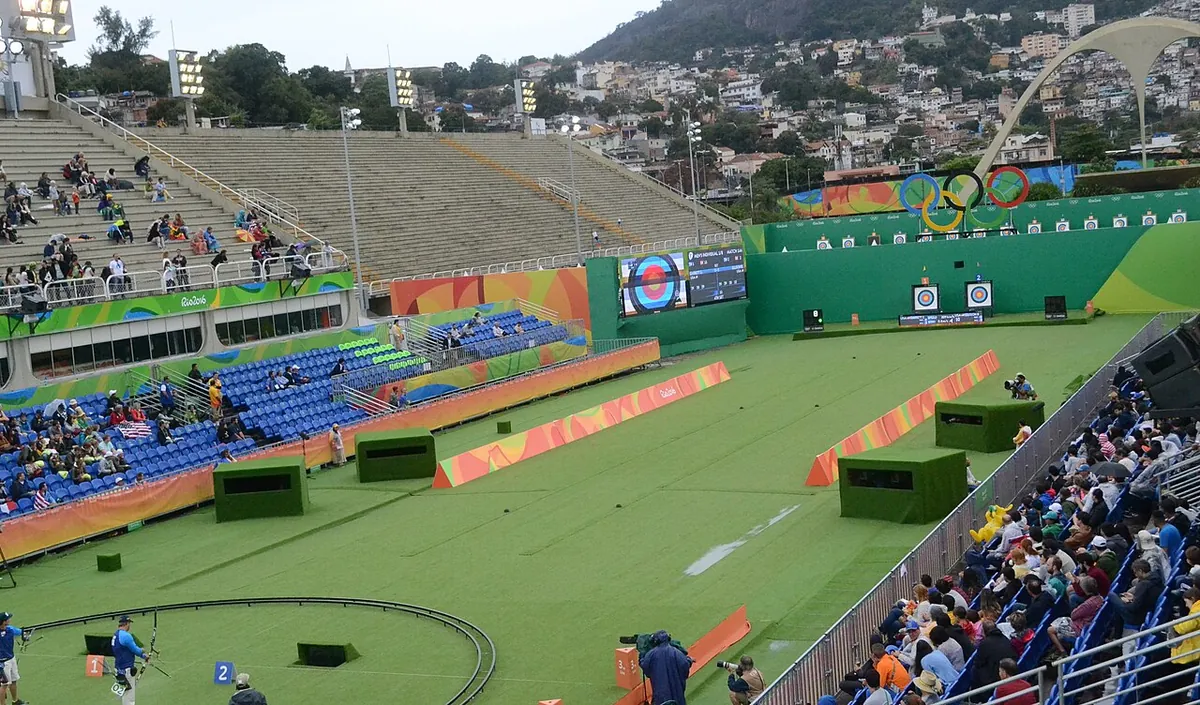
A close arrow is judged through the scoring rules and inspection procedure, not merely its appearance on a television picture.
 Archery
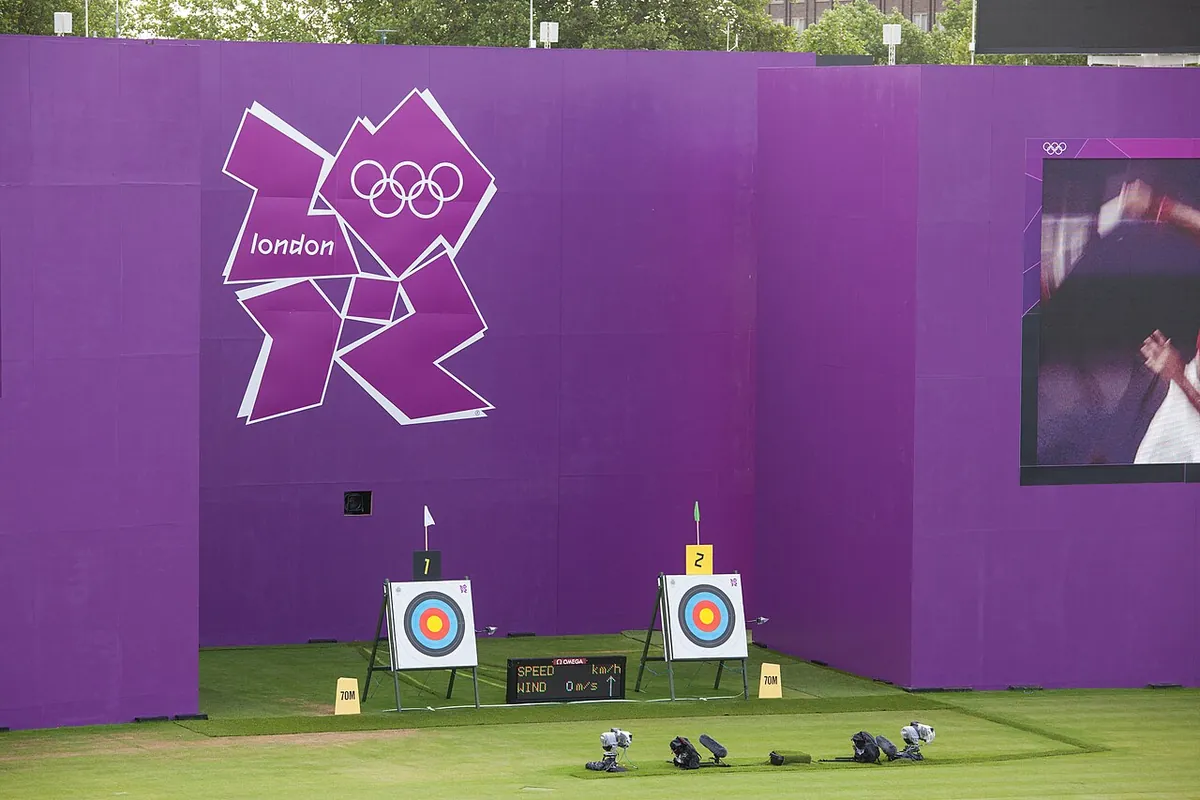
Qualification establishes seeding through sustained scoring, while elimination matches require athletes to win a new direct contest.
 Archery
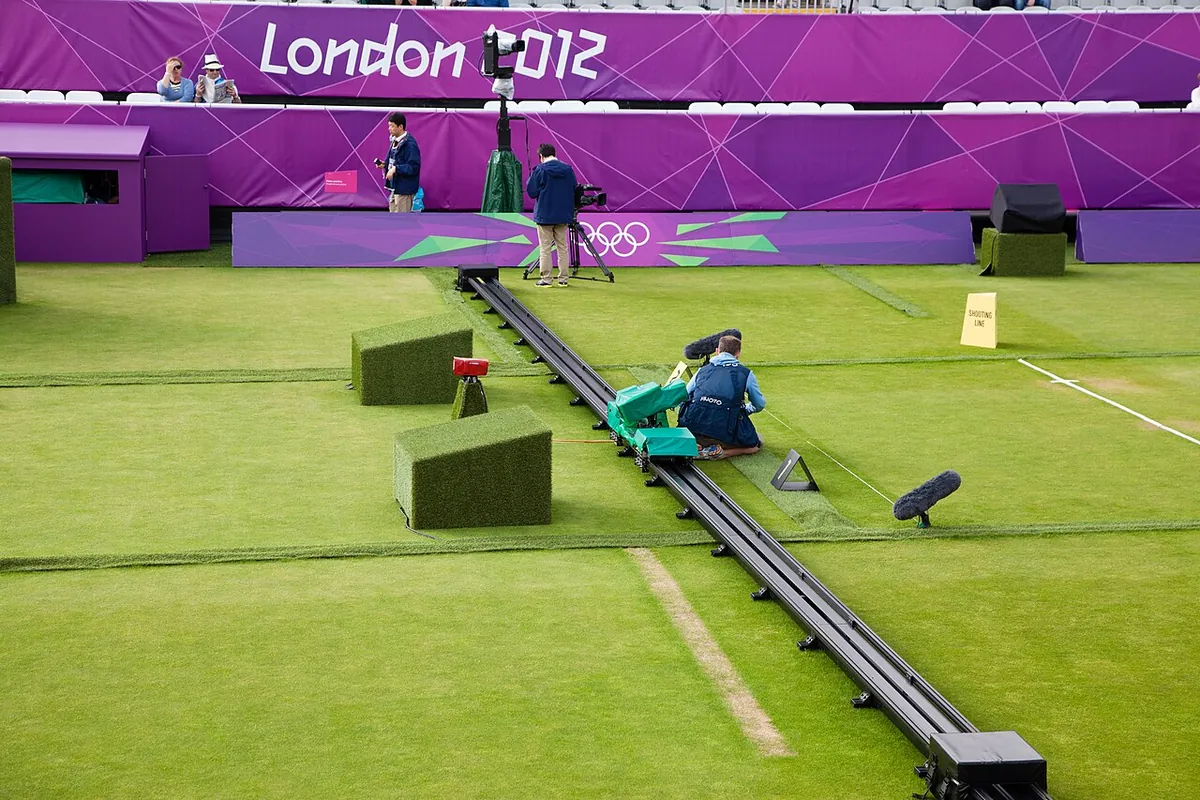
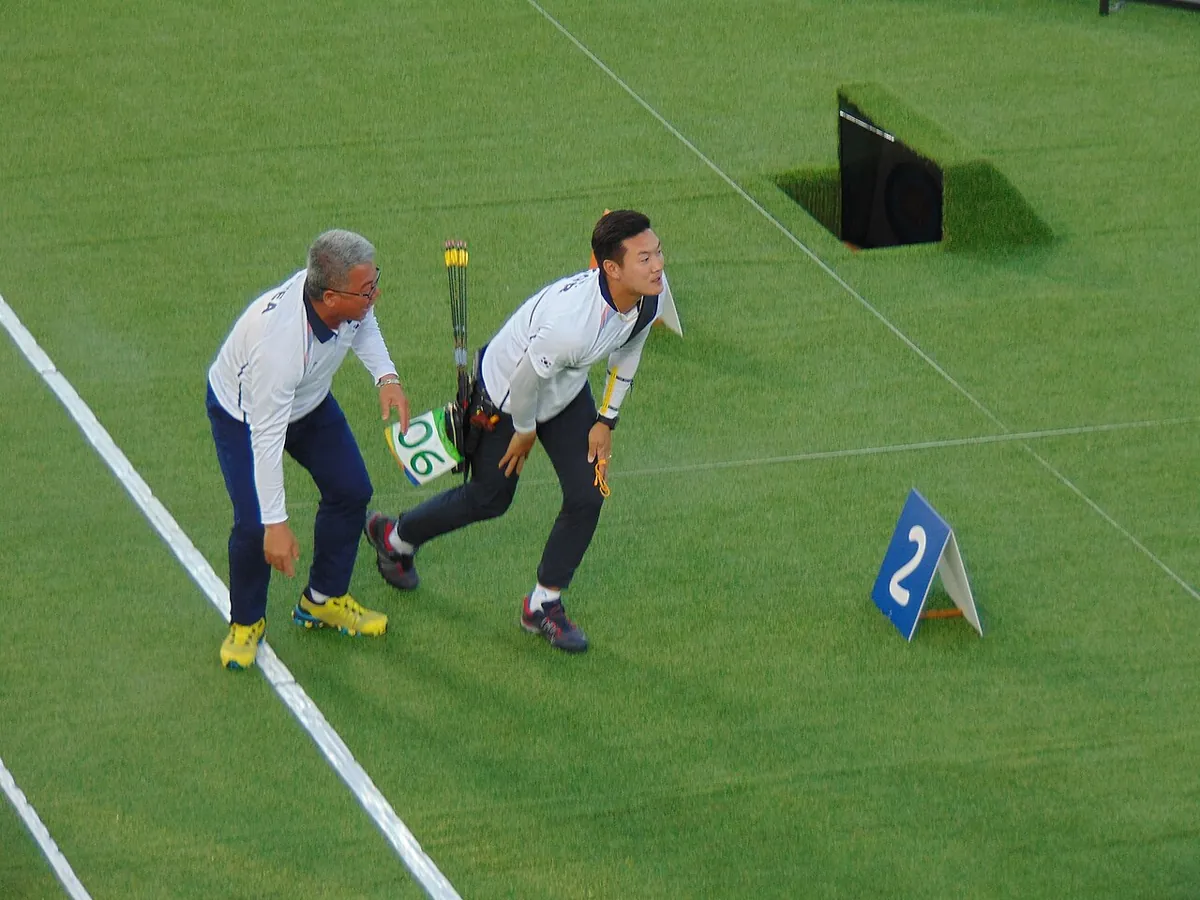
Each athlete shoots independently, but transitions, order and remaining time turn the result into a collective task.
 Archery
Outdoor conditions add information to the shot process, but they never provide a complete explanation of every arrow's result.
 Archery
Two arrows with the same ring value can still produce a winner through the applicable closest-to-centre procedure.