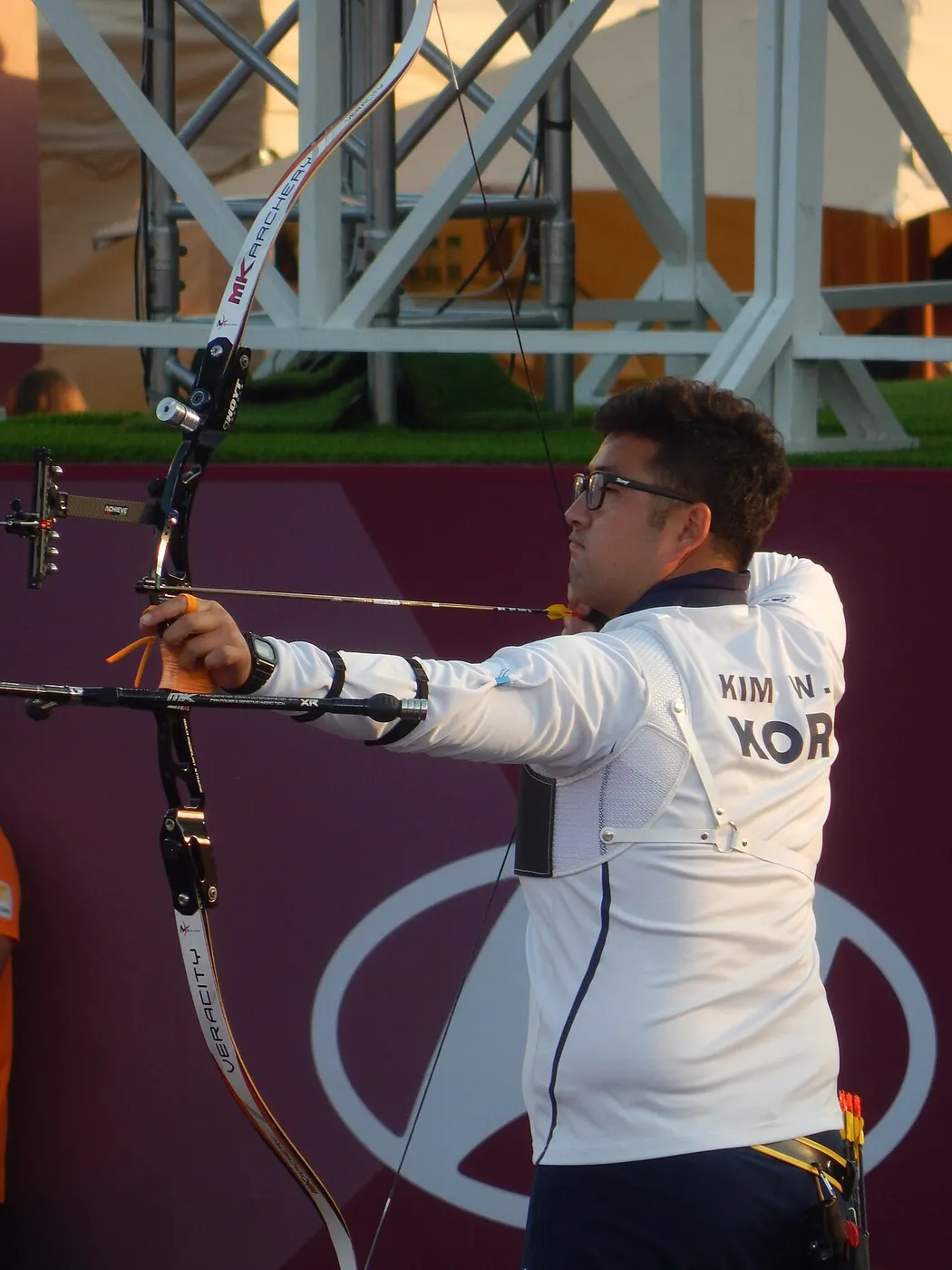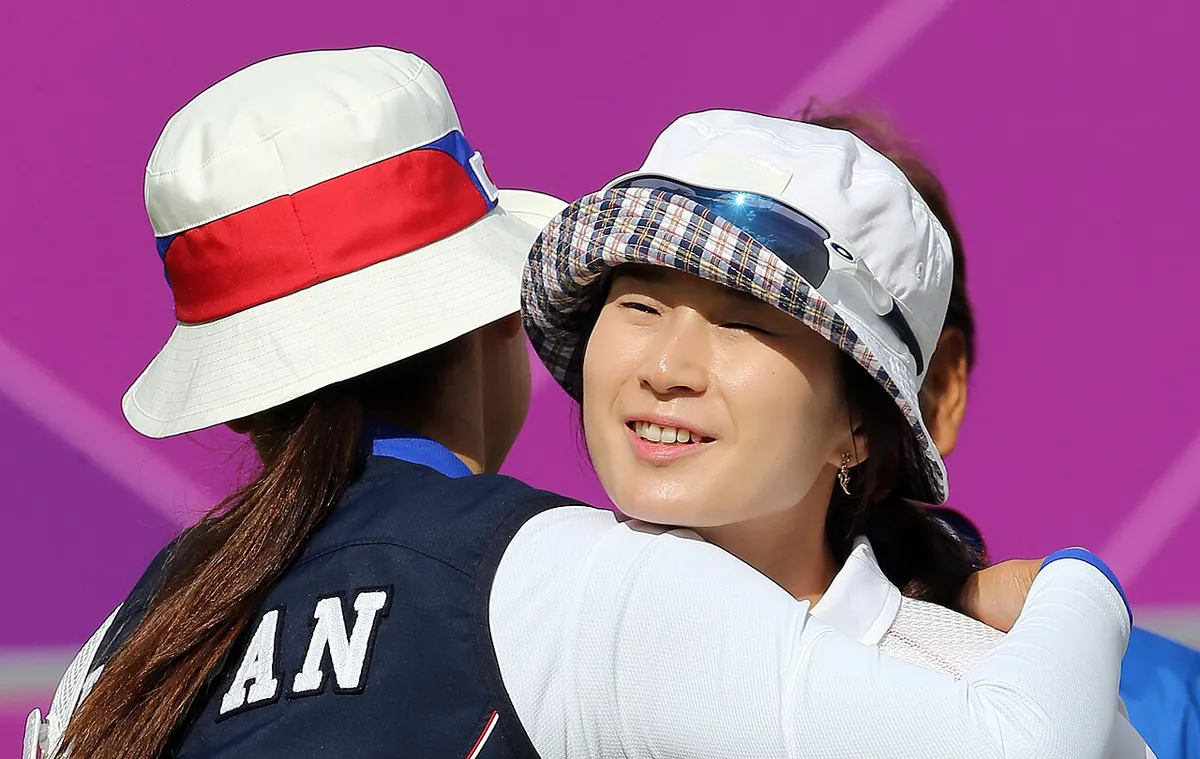
Major archery events often begin with a ranking round that establishes seeding, followed by individual or team elimination competition. The first phase rewards consistency over a longer sequence, while the second places athletes into direct matches. A high qualification position is valuable, but it is not an advance award of the eventual medal.
Build the bracket
In familiar Olympic recurve arrangements, the ranking round totals a prescribed number of arrows to establish seeds. Those standings influence the match pathway and can also contribute to team seeding. Exact arrow counts, advancement numbers and tie procedures depend on the event regulations, so one competition's details should not automatically be applied everywhere.
Consistency over many arrows
The ranking round requires the shooting action to remain reliable through repeated ends and changing conditions. One low arrow can be offset by later performance, while repeated fluctuations affect the total. Section-by-section scoring and overall consistency reveal more than an isolated perfect end selected from a much longer qualifying effort.
A new contest begins
In elimination matches, athletes must win the relevant contest to progress under the event structure. Qualification totals do not simply become a starting advantage in set points. A high seed may shape the route through the bracket, but still has to win. This explains why the ranking-round leader and eventual champion are not necessarily the same athlete.