When an archery match remains tied after its prescribed competition, a shoot-off may decide the outcome. Procedures differ by bow type and team format. In common individual target situations, officials compare the score and, where required, the distance from the centre. As a result, two arrows both called ten can still be separated.
A ring is an area
Ring values divide the face into zones, while a centre-distance comparison provides a finer distinction when the applicable rules require it. Two shafts inside the ten-ring need not be equally close to the middle. The official may need to inspect or measure, so a television angle is not a reliable final basis for declaring the winner.
The procedure still applies
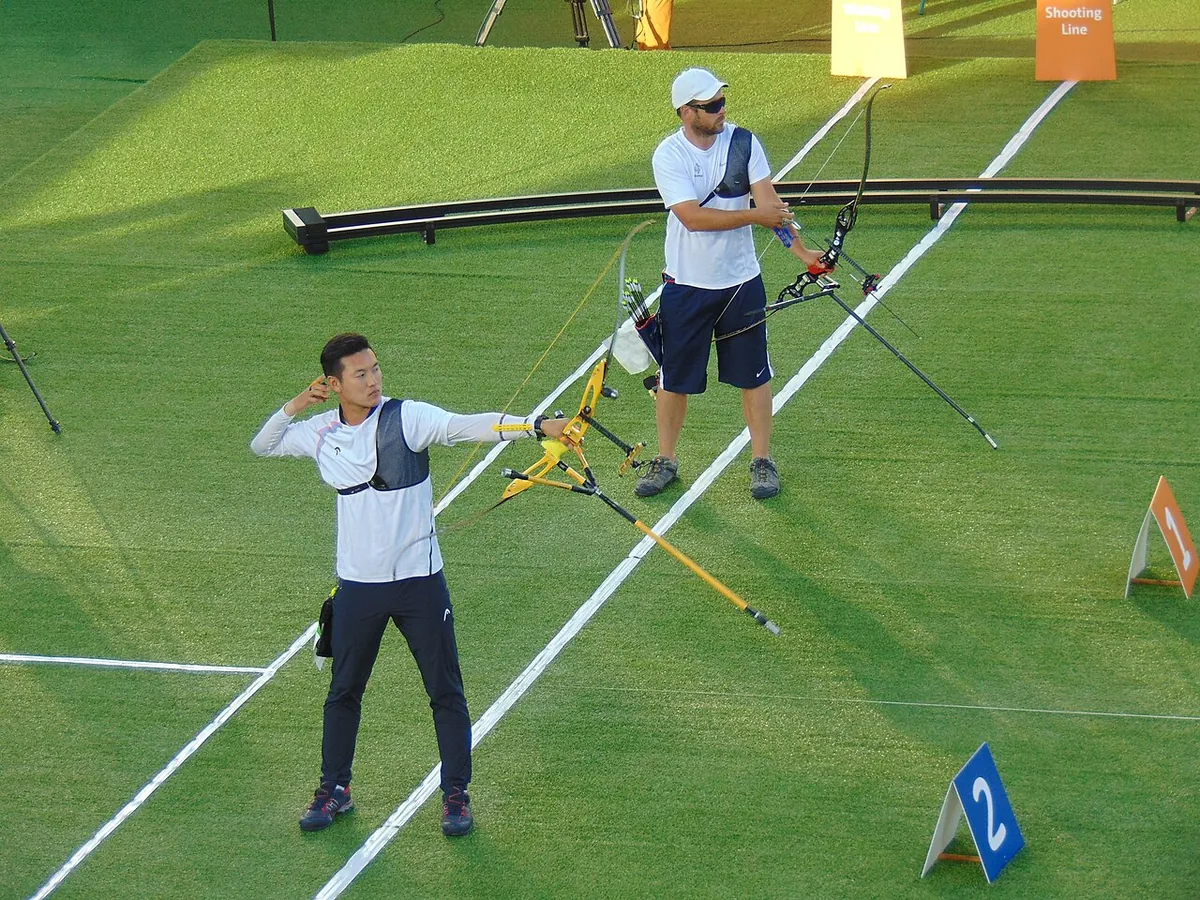
Shooting order, time and other requirements remain in force during a shoot-off. Athletes do not simply release whenever a crowd countdown suggests. If the result still cannot be separated, the rules determine what follows. Wait for the official result, particularly when the arrows appear close together and early reactions may precede confirmation.
The technical task remains familiar
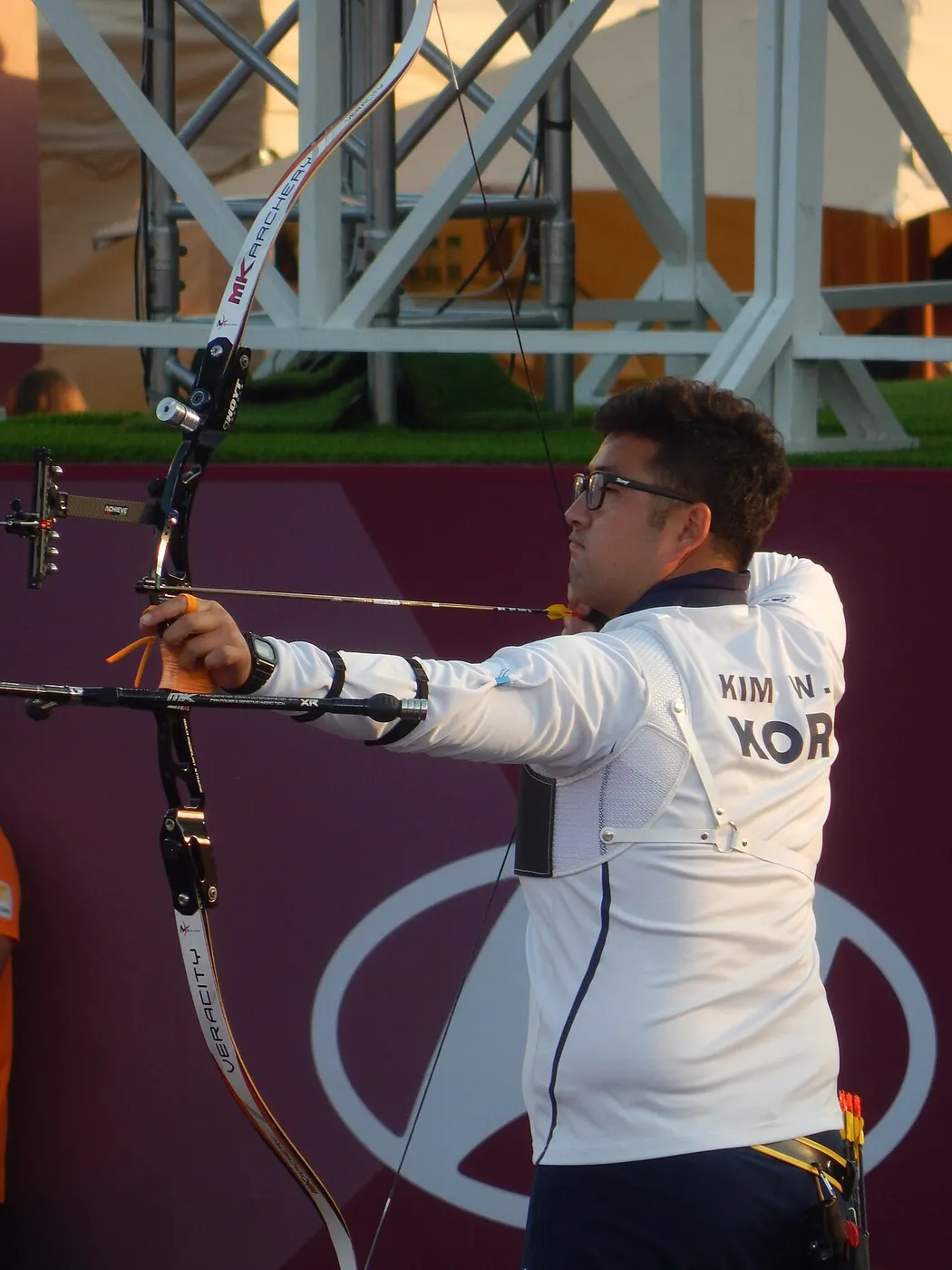
Very few arrows can now determine the contest, but the athlete still has to perform the established stance, draw and release. The drama comes from the competition structure rather than a sudden change in the sport's mechanics. Recognising this makes the ability to preserve a practiced process under pressure easier to appreciate.