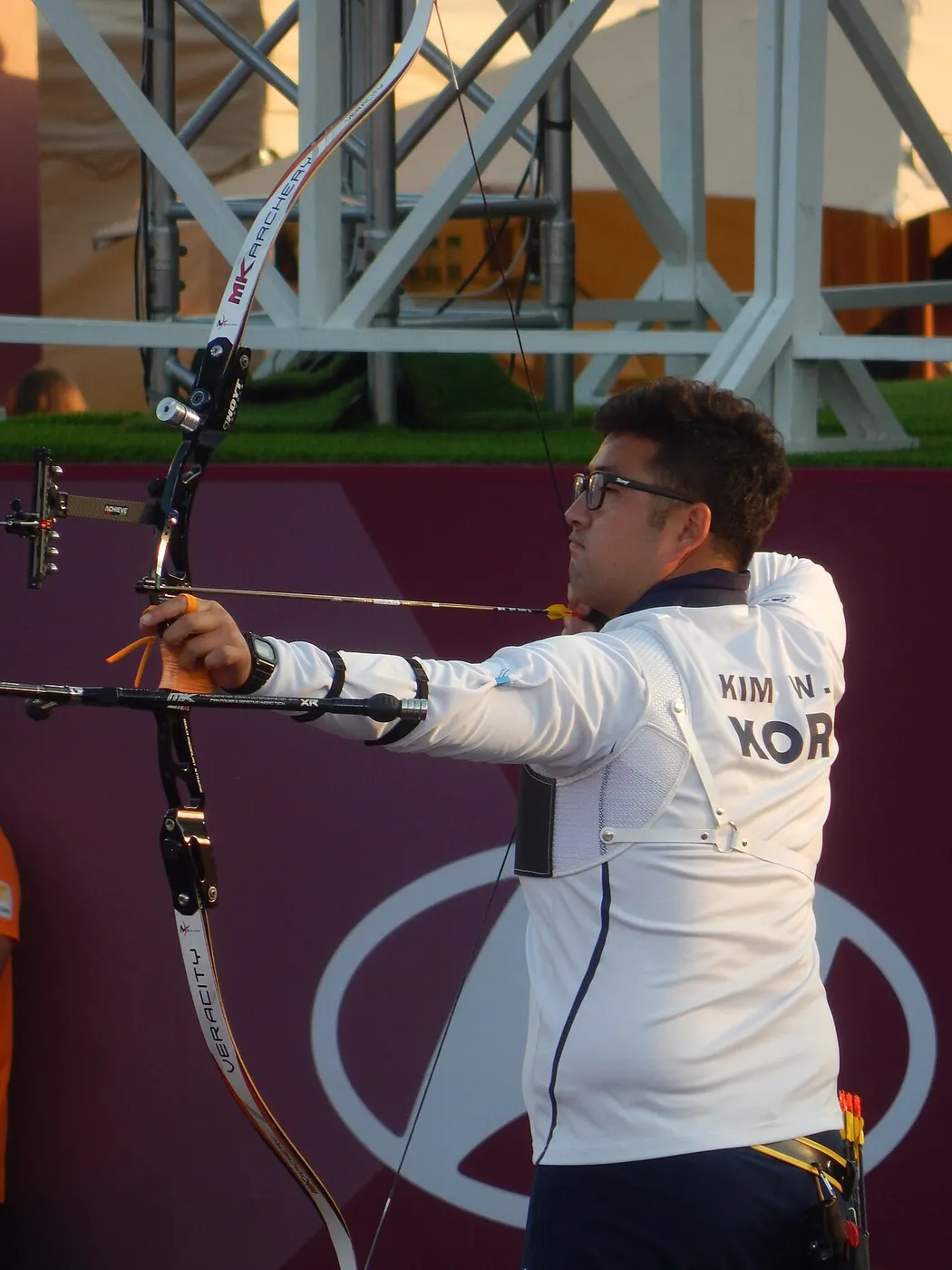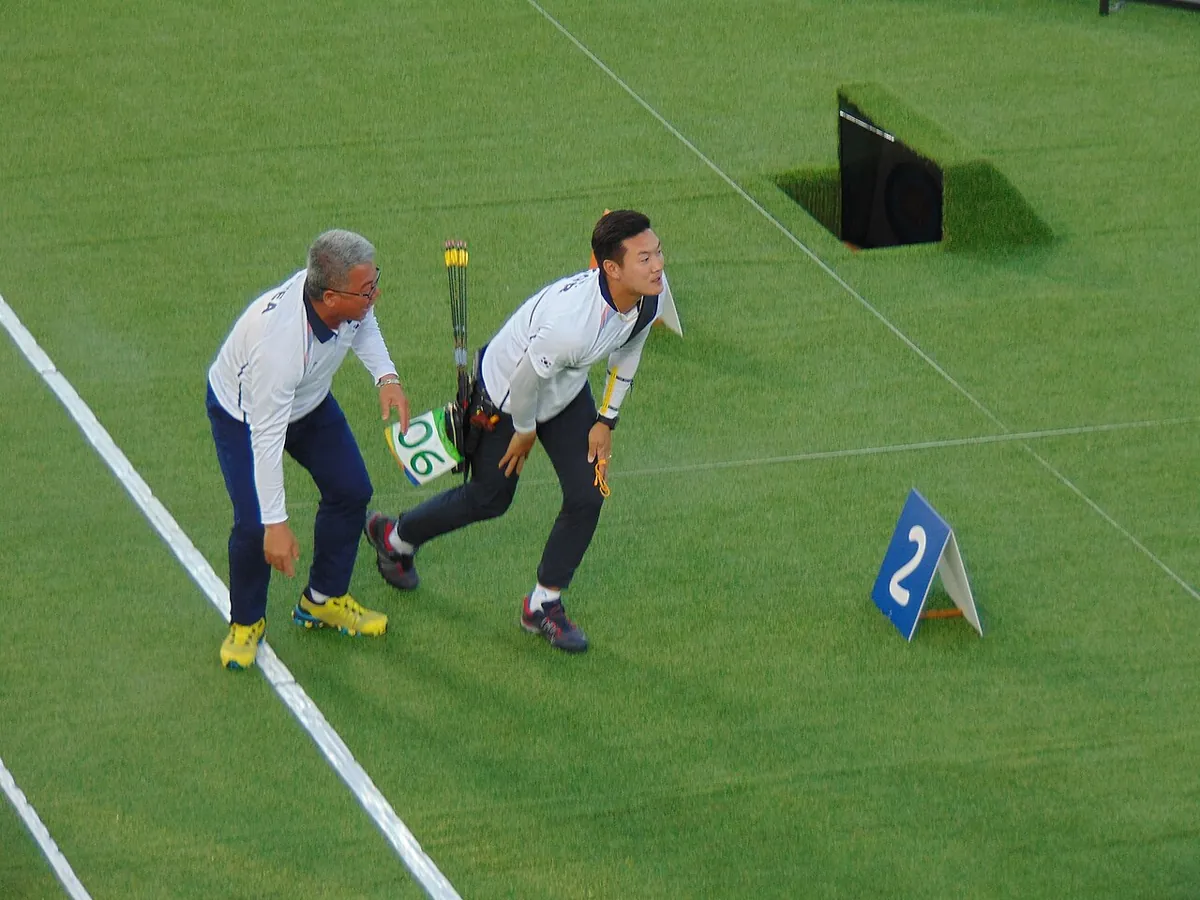
An outdoor arrow travels through air that may move differently along its path. Archers therefore include environmental information in their routine, using available clues such as flags and movement around the range. This guide explains the viewing logic rather than prescribing a universal aiming correction, because distance, equipment and conditions influence the effect.
Wind is not uniform
The air at the shooting line can differ from the air near the target, and gusts can change quickly. Athletes combine observations rather than relying only on what they feel at the face. A flag on television helps explain the setting, but it represents only part of the information needed to make a shooting decision.
Wait or execute?
Within the permitted time, an archer may seek a steadier moment, but waiting can increase the physical load of holding or reduce the time available. Continuing, lowering the bow and restarting, or releasing as planned are decisions that depend on the situation. Letting down is not necessarily indecision; it can protect execution quality.
Do not blame every miss on weather
Wind can affect impact, but technical consistency and equipment condition also matter. A low score alone does not prove that a gust caused it. Look at the distribution of several arrows, visible changes in conditions and the athlete's response. Separating observation from inference produces a more accurate account than assigning every result to one factor.