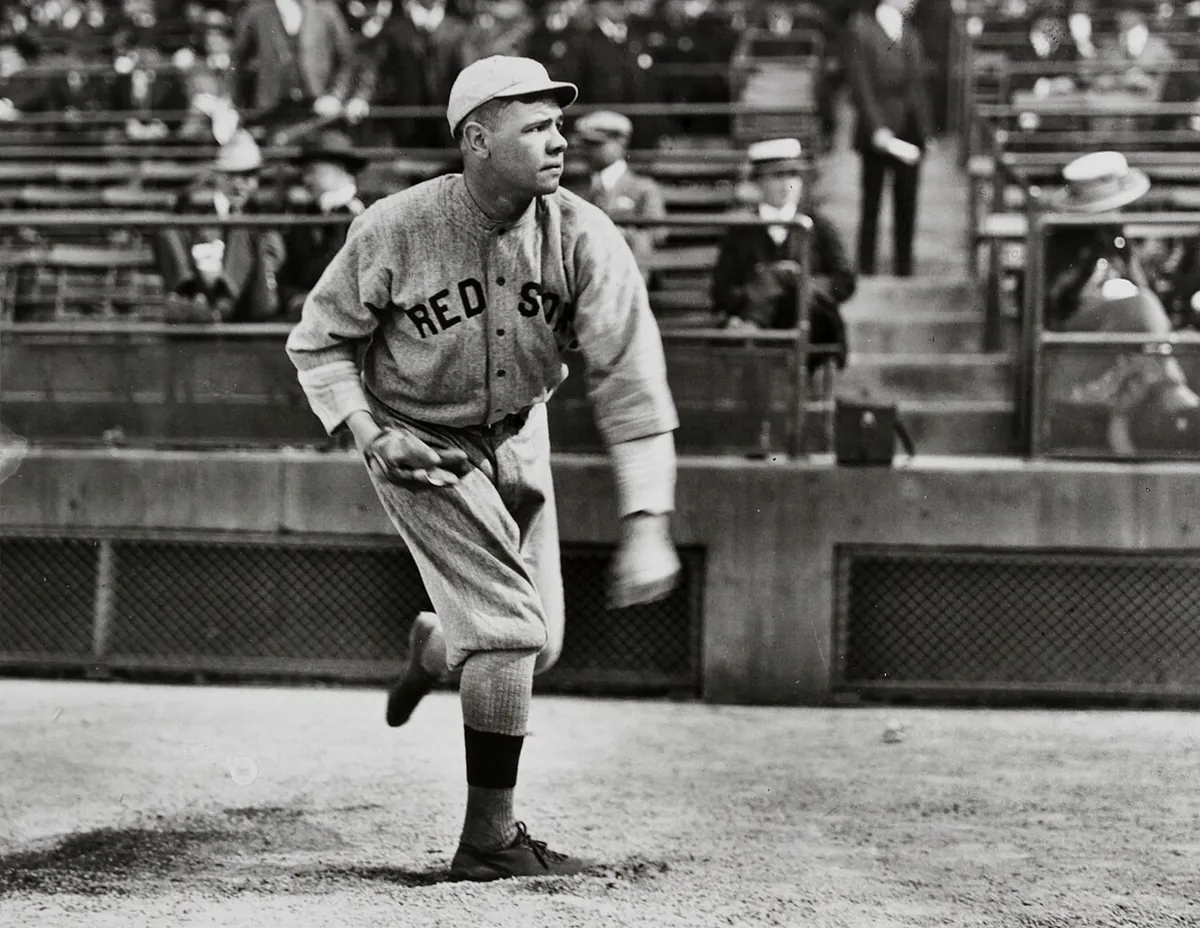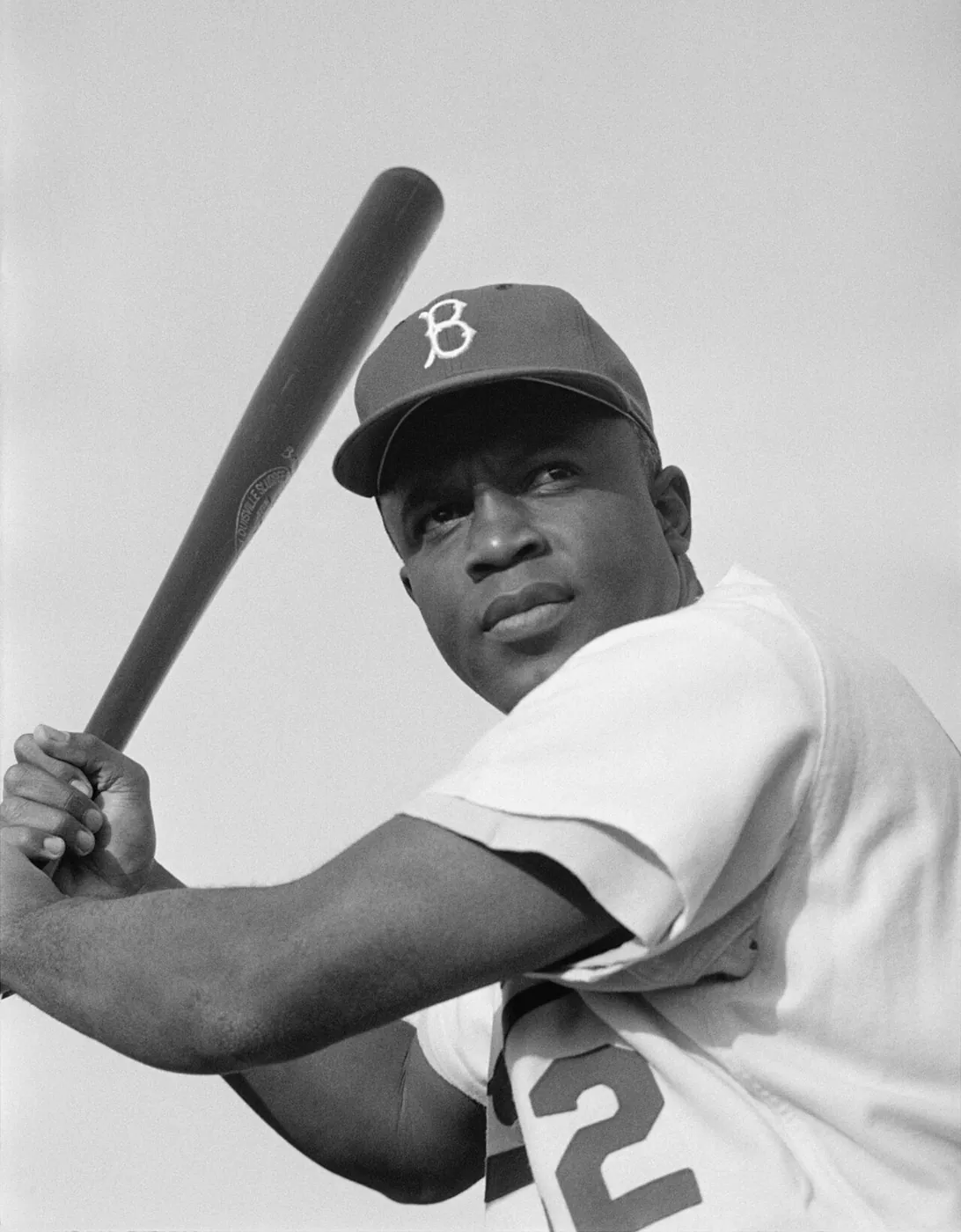
Baseball broadcasts show the number of balls and strikes in a plate appearance. The pitcher seeks an out while the hitter tries to reach base or make productive contact. Understanding the count helps explain their changing choices. The strike zone and specific officiating procedures still belong to the applicable rules and the actual game.
The count changes the pressure to act
With more strikes, a hitter faces greater consequences for letting a borderline pitch pass. With more balls, a pitcher has stronger reason to avoid an unnecessary walk. Neither situation dictates one compulsory pitch or swing. The players' abilities and the information gained from earlier deliveries remain part of the decision.
Location near the edge creates uncertainty
A pitcher can challenge the hitter's judgement around the boundary of the zone and combine similar starting trajectories with different speeds or movement. The hitter has very little time to respond. Follow the sequence to see whether a delivery that appears unhelpful alone is connected to the expectations established beforehand.
Do not infer the entire plan from the result
Taking a called strike does not prove that the hitter failed to observe the ball. Conceding a long hit does not make every preceding choice incorrect. Review the changing count, pitch sequence and execution together rather than allowing the final delivery to stand as a complete explanation.