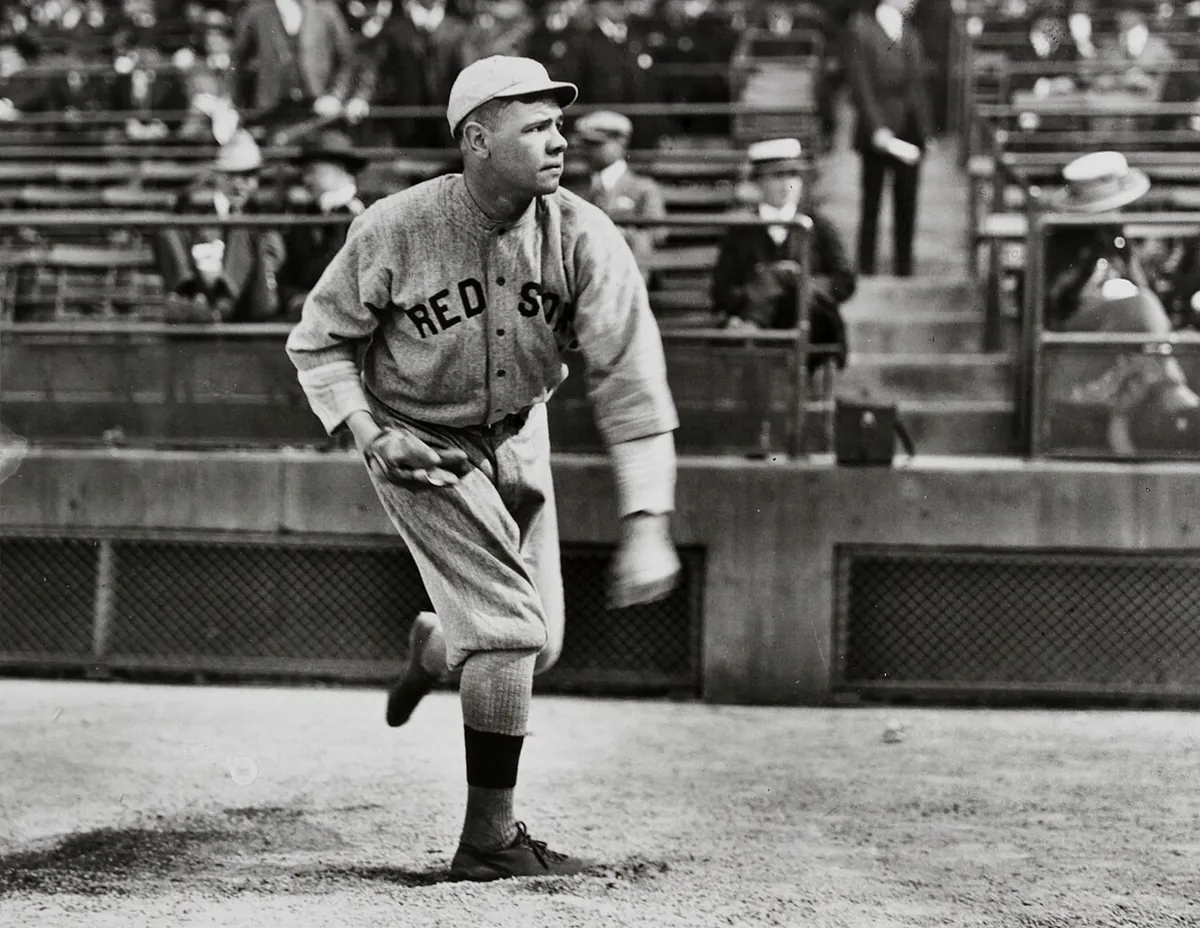
Pitchers use different grips and releases to change speed, spin and movement. Broadcasts identify broad families such as fastballs, sliders, curves and changeups, but individual pitchers produce different versions. A new viewer can begin with changes in speed and direction before trying to name every pitch with certainty.
Speed differences challenge swing timing
A hitter prepared for a faster delivery may commit too soon against a slower one. A changeup's effect therefore depends partly on how closely its preparation resembles another pitch. Watching a slow delivery by itself misses the central relationship: the earlier pitches and the hitter's resulting expectation help create its difficulty.
Movement changes the expected contact
Downward or sideways movement can shift the ball away from the point where the bat was intended to meet it. Control remains essential alongside movement. A pitch that deviates too obviously may be easier to leave alone. Consider the deception and the final location rather than admiring the size of the movement in isolation.
Sequence creates an information contest
Repeating one type can establish an expectation before a different speed or route changes the problem. Alternatively, repeatedly attacking an uncomfortable area may be appropriate. There is no universal sequence independent of the hitter and count. A complete plate appearance shows how each delivery changes the available choices for the next.