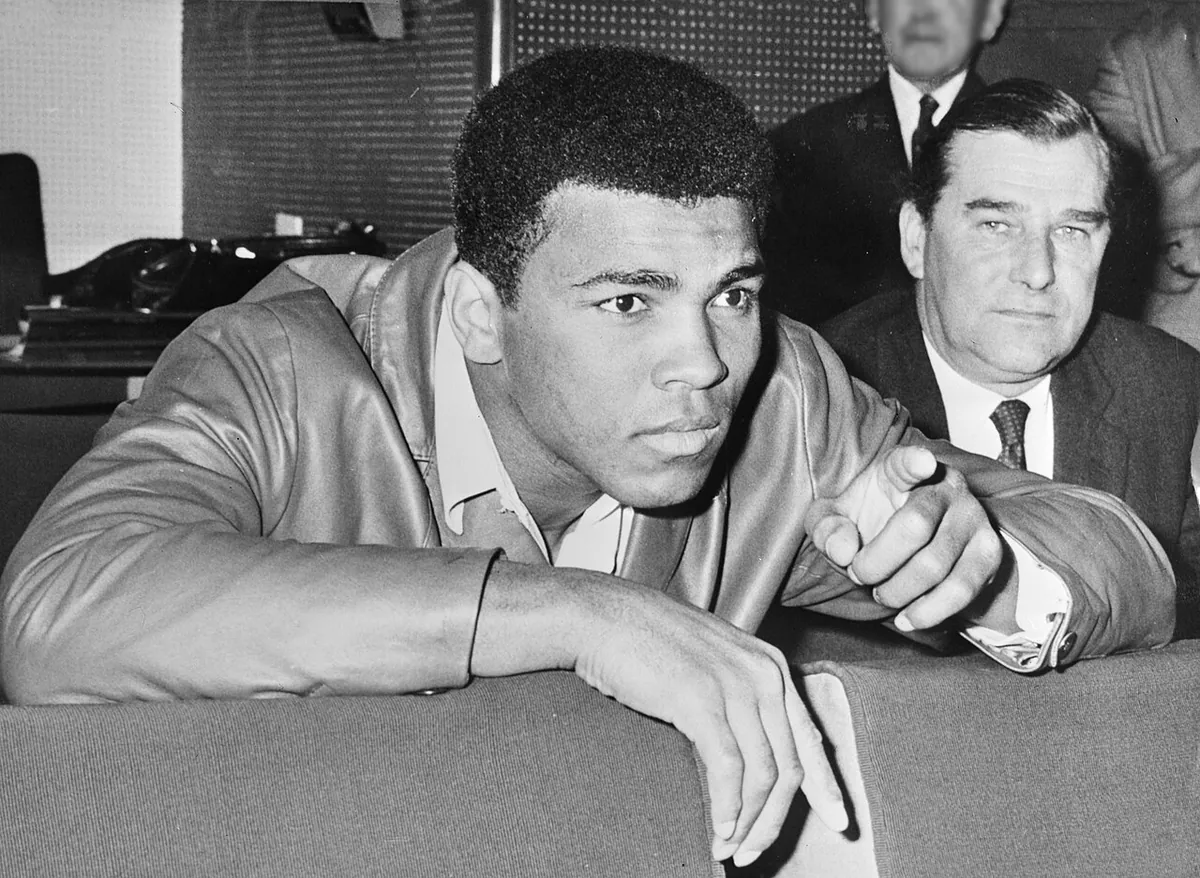
Muhammad Ali won the men's light-heavyweight boxing title at the Rome 1960 Olympics under the name Cassius Clay before entering professional boxing. His public influence extended beyond sport, but a sporting profile begins by distinguishing Olympic competition from the professional system rather than using one championship label for every stage.
Rome provides a precise starting point
The Olympic gold belongs to a particular year, category and event. It is not the same title as a later professional world championship. Organising Ali's results by competition makes the transition clearer. Historical documents also use different names at different stages, which should be connected explicitly rather than mistaken for records of separate athletes.
Observing the boxing itself
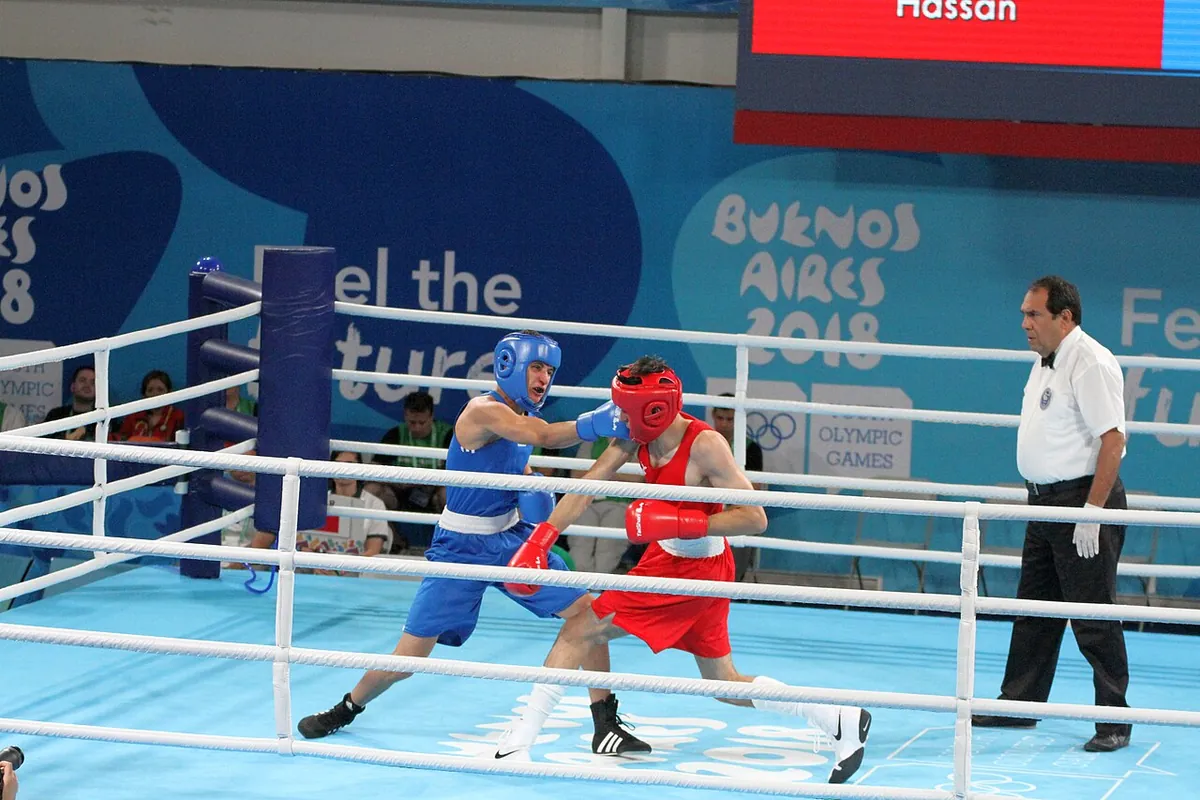
In classic Ali footage, follow distance changes, footwork and the lead hand's role in establishing rhythm. Opponents and physical circumstances differed across his career, so one famous clip does not define an unchanging style. Public persona and pre-fight statements supply context but cannot replace analysis of effective punching and the sequence of rounds.
Names help connect the archives
Rome records generally identify Cassius Clay, while later professional material commonly uses Muhammad Ali. Retaining both names in the chronology links the Olympic champion with the later career accurately. It also prevents achievements from a later period being inserted into the background of the earlier Games, preserving the order in which the sporting history actually unfolded.